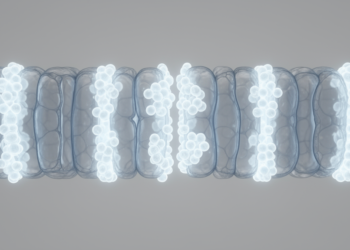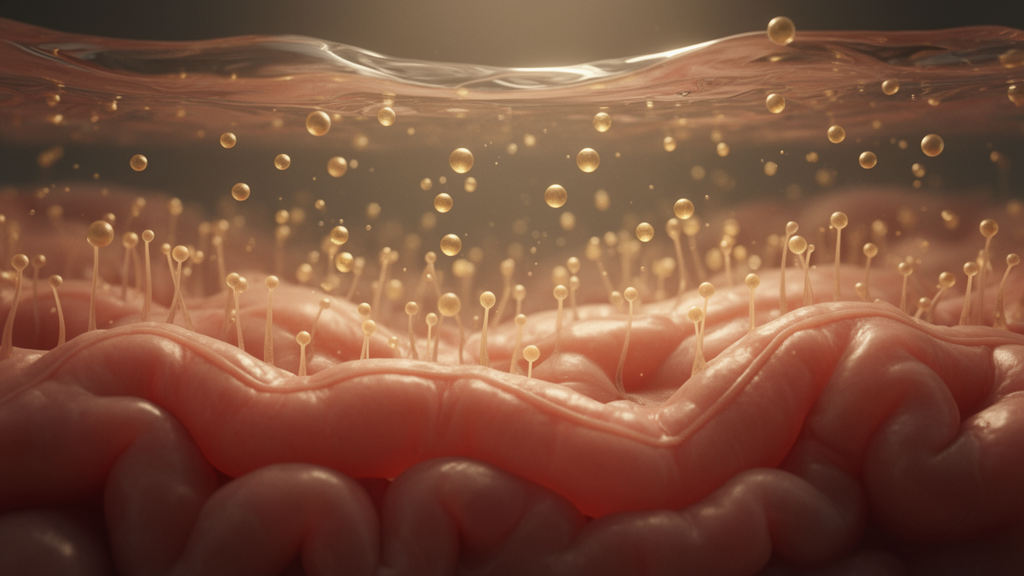
A comprehensive review published in Discover Pharmaceutical Sciences examines the potential of carbon quantum dots (CQDs) as therapeutic agents for gastrointestinal disorders, specifically focusing on gastric ulcers and ulcerative colitis. The study, authored by Mohammad Beiranvand and Gholamreza Dehghan, synthesizes current research on the synthesis, properties, and protective mechanisms of these nanomaterials. It highlights the urgent need for new treatments with minimal side effects, as current therapies for these conditions often present limited efficacy and significant adverse reactions. The review positions CQDs as promising candidates due to their unique physical and chemical characteristics, which distinguish them from other nanoparticles in the field of biomedical applications.
Carbon quantum dots are defined in the literature as carbon-based zero-dimensional fluorescent nanomaterials with a particle size of less than 10 nm. These quasi-spherical structures feature various functional groups dispersed on their surfaces, including hydroxyl, carboxyl, and amino groups. The review notes that CQDs have attracted widespread attention in fields such as bioimaging, drug delivery, and cancer therapy because of their hydrophilicity, excellent photoluminescence, biocompatibility, and low toxicity. Their relatively large specific surface area and ease of modification further support their utility in drug delivery and lesion localization within the body.
The synthesis of CQDs can be achieved through both top-down and bottom-up methods, with the review providing a detailed comparison of these approaches. Top-down methods involve fragmenting large precursor molecules like graphene and graphite into nanoscale particles using acid operations and specialized equipment. In contrast, bottom-up methods produce CQDs with uniform particle sizes and high quantum efficiency from natural carbon precursors at a lower cost. The review identifies pyrolysis, hydrothermal, solvothermal, and microwave radiation as key synthesis techniques, noting that hydrothermal methods are particularly popular due to their environmental friendliness and the use of distilled water as a solvent.
Green synthesis sources, particularly agricultural waste and medicinal plants, are emphasized as significant precursors for CQD production. Utilizing these natural sources helps mitigate environmental issues associated with agriculture by reducing leftover waste. The review explains that the functional groups retained from these carbon sources after carbonization enhance the physicochemical properties and therapeutic potential of the resulting nanoparticles. Doping CQDs with heteroatoms or metal elements such as copper, zinc, and iodine is also discussed as a technique to improve their optical and therapeutic characteristics, specifically their ability to act as nanoenzymes.
The review categorizes carbon dots into several types, including CQDs, graphene quantum dots, carbon nanodots, and carbon polymer dots, based on their core structure and surface functional groups. The properties of CQDs, such as their size-dependent behavior, UV-visible absorption, and photoluminescence, are detailed to explain their suitability for biomedical applications. The quantum confinement effect is highlighted as a key phenomenon where the electronic properties of CQDs become confined as their size decreases, leading to discrete energy levels and a blue shift in absorption and emission spectra. These optical traits make CQDs valuable for sensing, catalysis, and bioimaging purposes.
Regarding experimental models, the review analyzes common methods used to induce ulcerative colitis in animals, with a focus on dextran sulfate sodium (DSS). DSS is a water-soluble polysaccharide that induces colitis resembling the human condition, characterized by colon inflammation and diarrhea. The mechanism involves DSS penetrating the intestinal mucosa, disrupting mucosal layers, and triggering an innate lymphoid response. This leads to the secretion of pro-inflammatory cytokines and the activation of the NLRP3 inflammasome via the NF-κB signaling pathway. Other models discussed include TNBS-induced colitis, oxazolone-induced colitis, and acetic acid-induced colitis, each offering distinct insights into the pathogenesis of inflammatory bowel diseases.
The protective mechanisms of CQDs in gastric ulcers are attributed to their ability to diminish oxidative damage to the gastric mucosa. The review cites studies showing that CQDs enhance the expression of enzymatic antioxidants such as catalase, superoxide dismutase, and glutathione peroxidase, while neutralizing malondialdehyde, a marker of lipid peroxidation. In animal models, the highest wound-inhibiting effect of 85.73% was observed at a dose of 5 mg/kg. CQDs also inhibit the NF-κB/NLRP3 signaling pathway, reducing proinflammatory cytokines like TNF-α and IL-6, and promote the increase of mucosal defense factors such as IL-10 and PGE2, which facilitate mucin production and maintain membrane integrity.
In the context of ulcerative colitis, CQDs exhibit non-enzymatic antioxidant properties similar to reduced glutathione, allowing them to neutralize reactive oxygen species such as hydroxyl radicals and superoxide anions. The review notes that CQDs act as antioxidant nanoenzymes with superoxide dismutase-like properties, scavenging intracellular and extracellular superoxide anions. Doping CQDs with metals like zinc, iodine, and copper enables them to exhibit catalase and glutathione peroxidase activities, which help eliminate hydrogen peroxide and prevent the formation of harmful hydroxyl radicals through the Fenton reaction. This multi-enzyme-like activity is crucial for managing the oxidative stress that exacerbates colon inflammation.
Furthermore, CQDs reduce the level of pro-inflammatory cytokines by inhibiting the NF-κB/NLRP3 pathway in the colon. By blocking the NLRP3 pathway, CQDs lower the expression of ASC, Caspase-1, and IL-1β, and stop the production of downstream cytokines such as TNF-α, IL-6, IL-17A, and IL-23. This inhibition prevents the recruitment of leukocytes to inflammatory foci and reduces myeloperoxidase activity. The review also highlights that CQDs promote the regeneration of damaged tissue by elevating levels of IL-10 and IL-22 and upregulating the expression of tight junction proteins like occludin, claudin-1, and ZO-1, which are essential for restoring intestinal epithelial integrity.
The review concludes that while CQDs show low toxicity to normal gastrointestinal cells, determining appropriate doses and assessing toxicity in animal experiments remain critical steps before clinical application. The animal models used, such as DSS- and acetic acid-induced colitis, are noted for their high reproducibility and similarity to human conditions, allowing for the assessment of both acute toxicity and therapeutic efficacy. The authors suggest that the therapeutic potential of CQDs should be further investigated in clinical settings, potentially leading to their patenting as an anti-ulcer therapeutic agent. This review serves as a foundation for future research into these therapeutic nanomedicines, emphasizing the need for continued exploration of their mechanisms and applications in treating digestive disorders.
The review details specific protocols for inducing colitis in animal models, noting that dextran sulfate sodium (DSS) is typically administered in drinking water at concentrations ranging from 2.5 to 4% over a one-week period. BALB/c and C57BL/6 mice are the most commonly used strains for these experiments due to their heightened sensitivity to DSS. The severity of the resulting colitis is influenced by the molecular weight of the DSS, with lower molecular weights, such as 40 to 50 kDa, allowing the polysaccharide to penetrate the intestinal mucosal layer more readily than larger molecules. This penetration is facilitated by the formation of complexes with medium-chain fatty acids, which create channels in the cell membrane. The acute phase of DSS-induced colitis is characterized by an increase in Th1 cytokines, including tumor necrosis factor-alpha, interferon-gamma, interleukin-1 beta, and interleukin-12, while the chronic phase involves Th2-mediated mediators such as interleukin-4 and interleukin-6.
Alternative models for inducing colitis include the use of 2,4,6-trinitrobenzene sulfonic acid (TNBS), which is administered intrarectally with 50% ethanol to trigger T cell-mediated acute colitis. This model closely resembles Crohn’s disease in humans, a condition distinct from ulcerative colitis. The ethanol component primarily damages the intestinal mucosa, facilitating the penetration of TNBS into the intestinal wall, where it undergoes haptenization with proteins or microbiota. This process stimulates specific B cells and T-helper type 1 responses, leading to acute necrosis and inflammation. Another model utilizes oxazolone, a haptenizing agent that induces a T helper type 2 immune response. Administering an oxazolone enema or sensitizing the skin with oxazolone dissolved in ethanol five days prior to the enema provokes acute mucosal inflammation in the distal colon, accompanied by weight loss and diarrhea.
Acetic acid-induced colitis is another model discussed, which resembles human inflammatory bowel disease in its pathogenesis and histopathological features. Intrarectal administration of acetic acid leads to ulceration, erosion, and loss of epithelial integrity, prompting the infiltration of neutrophils and macrophages. These immune cells release pro-inflammatory cytokines and reactive oxygen species, which contribute to the persistence of inflammation and tissue damage. The protonated form of acetic acid is expected to release protons into the intracellular space, potentially causing intracellular acidification and additional epithelial injury. The entire process of drug treatment and colitis induction in these models typically spans seven to eight days, with colitis being induced on the fourth day through intra-anal injection. Animals are monitored for signs of distress, changes in body weight, and progression of the disease, with colon tissues harvested for biochemical and histopathological analyses on the eighth day.
The review also addresses the patent landscape for carbon quantum dots, noting that a patent related to CQDs for upconversion applications was granted to Chang Gung University in November 2021. Upconversion is a process where low-energy photons are converted to higher-energy photons, which can be useful in various applications, including bioimaging and sensors. The patent, number US11166916B1, covers a method of synthesizing CQDs and their use in upconversion processes. The inventors listed are Jui-Yang Lai, Chih-Ching Huang, and Hong-Jyuan Jian. This patent highlights the broader technological applications of CQDs beyond their therapeutic potential in gastrointestinal disorders, demonstrating their utility in optical and sensing technologies. The review emphasizes that while CQDs show promise in treating digestive disorders, their application in other fields, such as environmental monitoring and cancer diagnostics, further underscores their versatility as nanomaterials.
The synthesis of CQDs from natural sources, particularly agricultural waste and medicinal plants, is highlighted as a method to mitigate environmental issues associated with agriculture. Utilizing these sources helps reduce leftover waste in fields while providing a cost-effective and safe method for producing carbon dots. The functional groups retained from these carbon sources after carbonization enhance the physicochemical properties and therapeutic potential of the resulting nanoparticles. Doping CQDs with heteroatoms or metal elements such as copper, zinc, and iodine is discussed as a technique to improve their optical and therapeutic characteristics. This modification allows CQDs to exhibit activities similar to catalase and glutathione peroxidase, in addition to superoxide dismutase activity, which is crucial for eliminating hydrogen peroxide and preventing the formation of harmful hydroxyl radicals. The review concludes that the therapeutic potential of CQDs should be further investigated in clinical settings, potentially leading to their patenting as an anti-ulcer therapeutic agent.
Subject of Research: Review of carbon quantum dots as anti-inflammatory agents for ulcerative colitis and gastric ulcers
Article Title: A review on ulcerative colitis induction models and the protective mechanism of carbon quantum dots as a novel anti-inflammatory and anti-ulcer agent
Article References: Beiranvand, M., & Dehghan, G. (2025). A review on ulcerative colitis induction models and the protective mechanism of carbon quantum dots as a novel anti-inflammatory and anti-ulcer agent. Discover Pharmaceutical Sciences, 1(1), Article 14. https://doi.org/10.1007/s44395-025-00019-z
Image Credits: AI Generated
DOI: 10.1007/s44395-025-00019-z
Keywords: carbon quantum dots, ulcerative colitis, gastric ulcers, nanomedicine, anti-inflammatory, oxidative stress, gastrointestinal disorders, drug delivery, green synthesis, NF-κB pathway, review, ulcerative
News Source: Katie Riggs. (November 9, 2026). Review Details Carbon Quantum Dots for Ulcerative Colitis. Scienmag.