Credit: NIAID
WHAT:
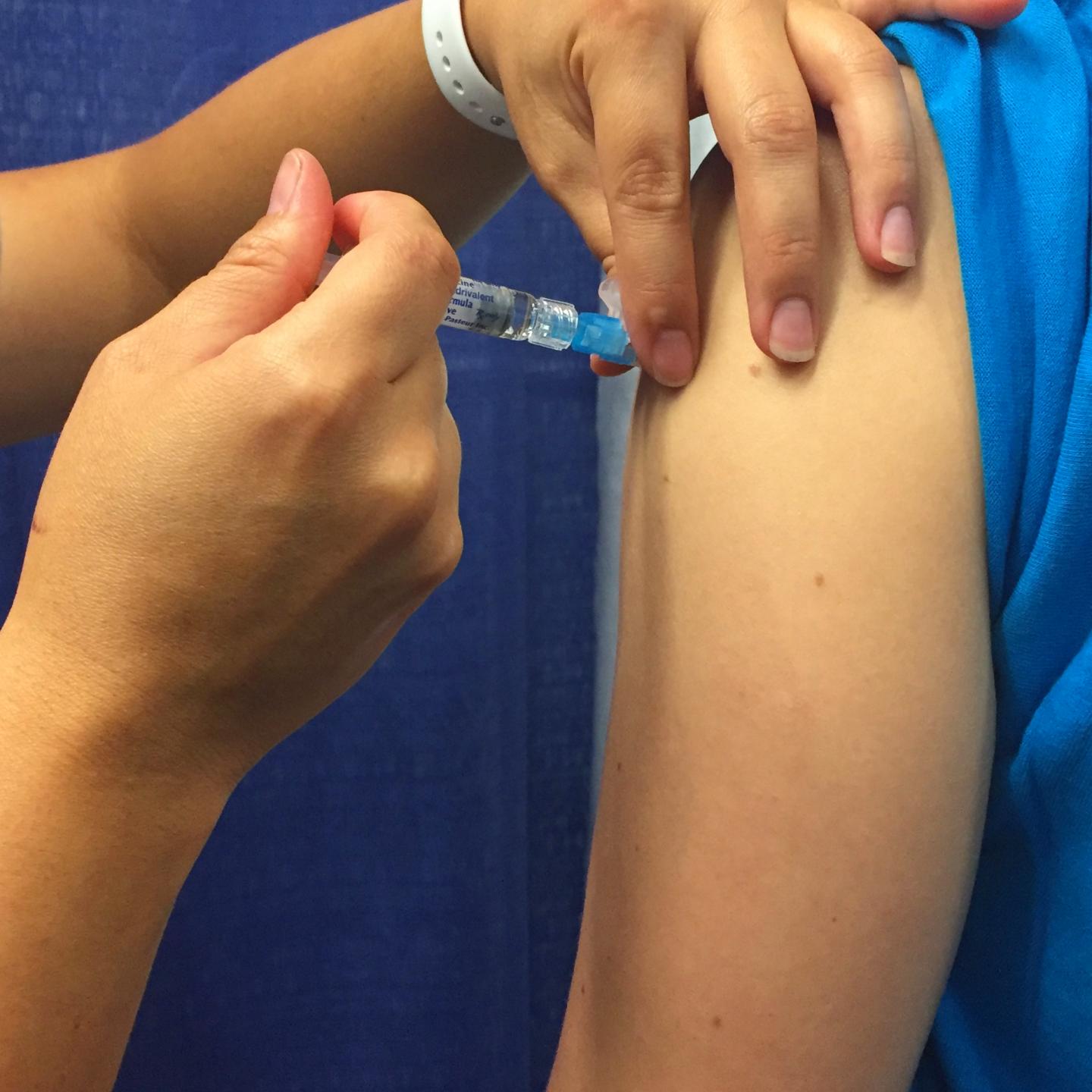
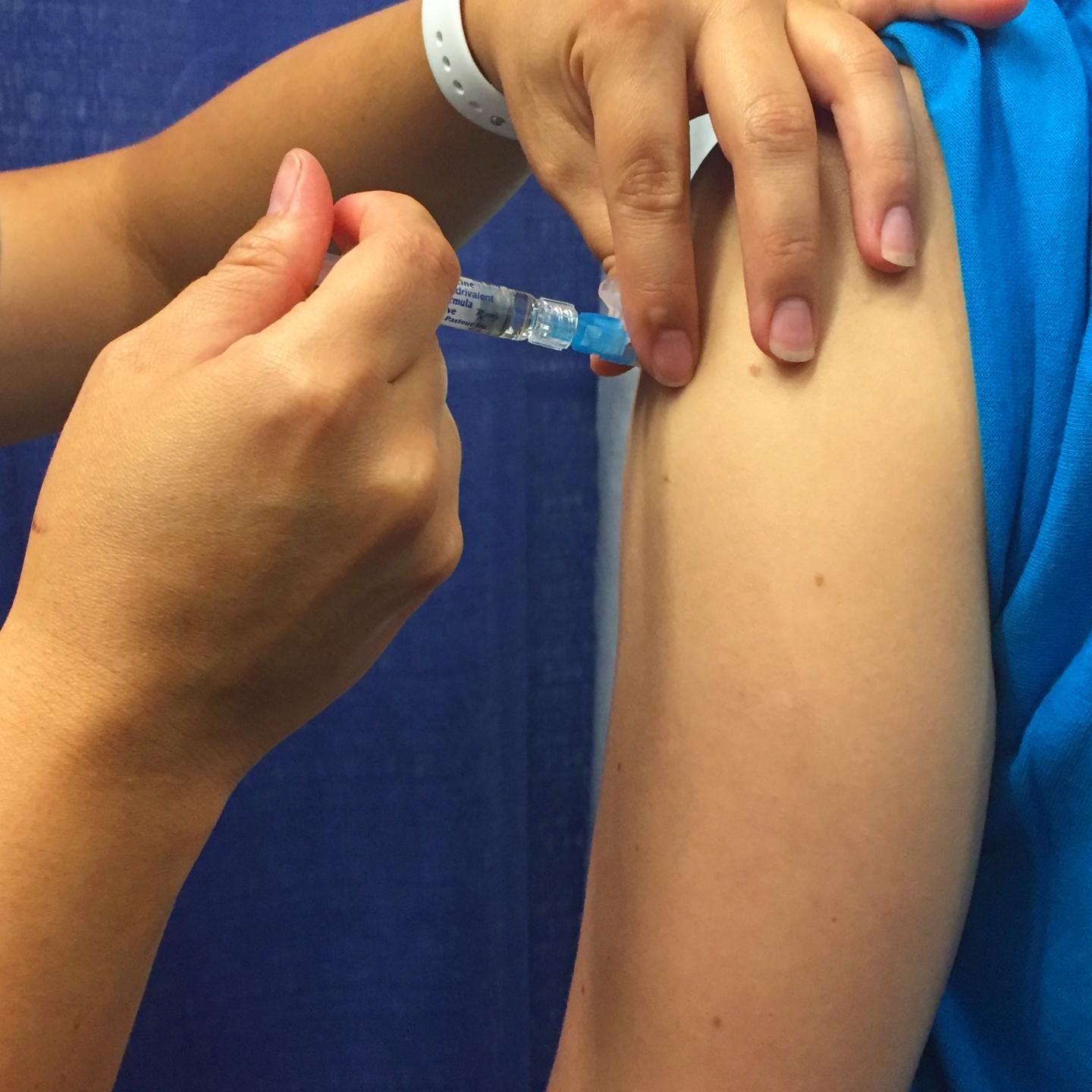
In a New England Journal of Medicine perspective, experts from the National Institute of Allergy and Infectious Diseases (NIAID), part of the National Institutes of Health, and the World Health Organization (WHO) Collaborating Centre for Reference and Research on Influenza in Melbourne discuss how the process of preparing seasonal influenza vaccines in eggs may contribute to their limited effectiveness. The authors offer research strategies that might yield more protective vaccine candidates.
Flu vaccines are updated annually to keep up with continual changes in circulating influenza viruses. It is well-established that influenza vaccines are less effective in "mismatched" seasons when the main circulating strains change after the months-long vaccine production process has already begun. However, even in previous years when the vaccine has been well-matched to circulating influenza strains, effectiveness has been low (40 to 60 percent).
Multiple factors impact the effectiveness of influenza vaccines, such as an individual's history of exposure to prior influenza viruses and vaccinations, age, genetics, and coexisting health problems. The authors note that manufacturing strategies may also play a significant role in reduced vaccine effectiveness. Currently, most influenza vaccines in the United States are produced using chicken eggs, while a few are made in cell culture or by using recombinant DNA technologies. Recently published research suggests that mutations occurring in egg-prepared vaccines may have contributed to decreased vaccine effectiveness during the 2016-2017 influenza season in the United States and the 2017 flu season in Australia. The findings underscore the need for targeted research to further evaluate manufacturing strategies and vaccine antigens and platforms, according to the authors.
Despite the limitations of the seasonal influenza vaccine, people should still get their annual flu shot, say the authors. "It is better to get vaccinated than not to get vaccinated," they write. Influenza vaccines saved 40,000 lives in the United States between 2005 and 2014, and research shows that the vaccines can reduce the risk of severe illness and death even if they fail to prevent influenza infection. The authors also discuss the importance of developing a "universal" influenza vaccine, which would eliminate the need for annual shots and protect against multiple influenza subtypes–pandemic and seasonal. However, significant resources and scientific advances will be required to achieve this key goal, according to the authors.
###
ARTICLE:
CI Paules et al. Chasing Seasonal Influenza and the Need for a Universal Influenza Vaccine. NEJM DOI: 10.1056/NEJMp1714916 (2017).
WHO:
NIAID Director Anthony S. Fauci, M.D., co-author of the perspective, is available for comment.
CONTACT:
To schedule interviews, please contact Jennifer Routh, 301-402-1663, [email protected]
NIAID conducts and supports research–at NIH, throughout the United States, and worldwide–to study the causes of infectious and immune-mediated diseases, and to develop better means of preventing, diagnosing and treating these illnesses. News releases, fact sheets and other NIAID-related materials are available on the NIAID website. .
About the National Institutes of Health (NIH): NIH, the nation's medical research agency, includes 27 Institutes and Centers and is a component of the U.S. Department of Health and Human Services. NIH is the primary federal agency conducting and supporting basic, clinical, and translational medical research, and is investigating the causes, treatments, and cures for both common and rare diseases. For more information about NIH and its programs, visit http://www.nih.gov.
NIH…Turning Discovery Into Health ®
Media Contact
Jennifer Routh
[email protected]
301-402-1663
@NIAIDNews
http://www.niaid.nih.gov
Related Journal Article
http://dx.doi.org/10.1056/NEJMp1714916