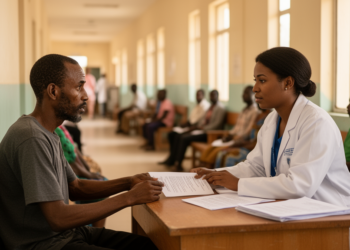
A recent qualitative study published in BMC Primary Care examines the professional experiences of general practitioners who have survived domestic and family violence. The research, conducted in Australia, seeks to address a gap in the medical literature by focusing specifically on how personal experiences of violence affect the workplace dynamics and professional well-being of doctors. While domestic and family violence is recognized as a common issue worldwide, few previous studies have investigated the specific professional effects on physicians who are survivors, leaving a limited understanding of the unique challenges they face in their clinical roles.
The study recruited twenty Australian general practitioners who self-identified as having experienced any form of domestic and family violence. Participants were recruited via two Australian general practitioner Facebook pages. The research team utilized semi-structured interviews to gather detailed accounts of the participants’ experiences. These interviews were transcribed verbatim.
The analysis of the interview data was conducted using reflexive thematic analysis, grounded in an overarching phenomenological approach. This methodological framework was applied consistently throughout the study design, data collection, and analysis phases.
Three themes were identified in the data: Keep calm and carry on; Fearing disclosure in the workplace; and Talking to someone like me. This “carry on” attitude was attributed to several factors, including financial pressures, the prevailing culture of medicine, and the perception of the workplace as a safe space. However, some experienced symptoms that affected their work, such as reduced focus and concentration.
Disclosure of personal experiences with domestic and family violence in the workplace was a significant concern for the participants. Many general practitioners feared judgement and stigma if they were to reveal their status as survivors to colleagues or employers. This fear was compounded by the perception that personal and professional matters should remain strictly separate. As a result, the study found that general practitioner survivors did not often disclose their experiences in the workplace.
Support mechanisms played a crucial role in the experiences of the participants. The study found that general practitioner survivors commonly accessed both formal and informal supports without experiencing significant barriers. However, peer support was identified as the most highly valued form of assistance. This was especially true when peers had also experienced domestic and family violence. Peer support was highly valued, especially but not only through social media.
Despite the benefits of peer support, the study also identified some downsides. Reported downsides to peer support included vicarious trauma. Additionally, confidentiality concerns were raised, highlighting the delicate balance between seeking support and protecting personal privacy.
The study concludes that general practitioner domestic and family violence survivors tend to have a 'carry on' mentality when it comes to work. Survivors may experience symptoms that affect their work and need to be supported to take time off work if required. The findings suggest that general practitioner organizations and governments should consider implementing a model of confidential peer support specifically designed for general practitioner survivors.
Subject of Research: Professional effects and supports for general practitioners who are domestic and family violence survivors
Article Title: When the general practitioner is a domestic and family violence survivor: a qualitative study of professional effects and supports
Article References: Neil, J., Delany, C., McLindon, E., & Hegarty, K. (2026). When the general practitioner is a domestic and family violence survivor: a qualitative study of professional effects and supports. BMC Primary Care. https://doi.org/10.1186/s12875-026-03624-8
Image Credits: AI Generated
DOI: 10.1186/s12875-026-03624-8
Keywords: domestic violence, general practitioners, qualitative study, workplace disclosure, peer support, medical professionals, mental health, Australia, general, practitioner, domestic, family
News Source: Ophelia Keating. (November 9, 2026). Australian study explores work impacts for GP survivors. Scienmag.