• HOME
  • NEWS
  • EXPLORE
    • CAREER
      • Companies
      • Jobs
    • EVENTS
    • iGEM
      • News
      • Team
    • PHOTOS
    • VIDEO
    • WIKI
  • BLOG
  • COMMUNITY
    • FACEBOOK
    • INSTAGRAM
    • TWITTER
Friday, May 15, 2026
BIOENGINEER.ORG
No Result
View All Result
  • Login
  • HOME
  • NEWS
  • EXPLORE
    • CAREER
      • Companies
      • Jobs
        • Lecturer
        • PhD Studentship
        • Postdoc
        • Research Assistant
    • EVENTS
    • iGEM
      • News
      • Team
    • PHOTOS
    • VIDEO
    • WIKI
  • BLOG
  • COMMUNITY
    • FACEBOOK
    • INSTAGRAM
    • TWITTER
  • HOME
  • NEWS
  • EXPLORE
    • CAREER
      • Companies
      • Jobs
        • Lecturer
        • PhD Studentship
        • Postdoc
        • Research Assistant
    • EVENTS
    • iGEM
      • News
      • Team
    • PHOTOS
    • VIDEO
    • WIKI
  • BLOG
  • COMMUNITY
    • FACEBOOK
    • INSTAGRAM
    • TWITTER
No Result
View All Result
Bioengineer.org
No Result
View All Result
Home Headlines

Study suggests handwashing compliance in child care facilities is insufficient

Bioengineer.org by Bioengineer.org
January 19, 2018
in Headlines, Health, Science News
Reading Time: 2 mins read
0
Share on FacebookShare on TwitterShare on LinkedinShare on RedditShare on Telegram
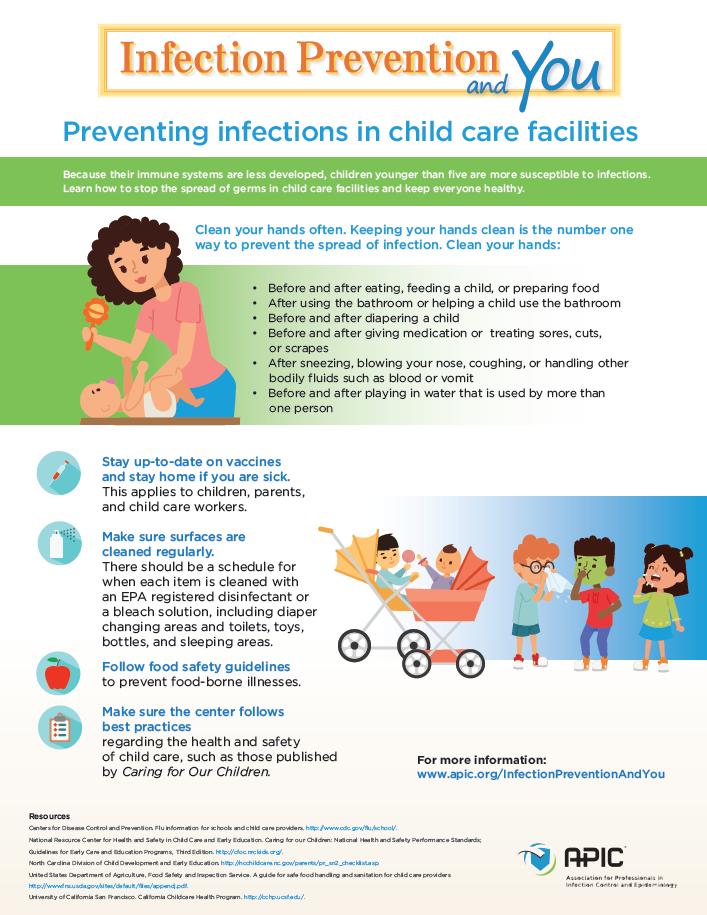
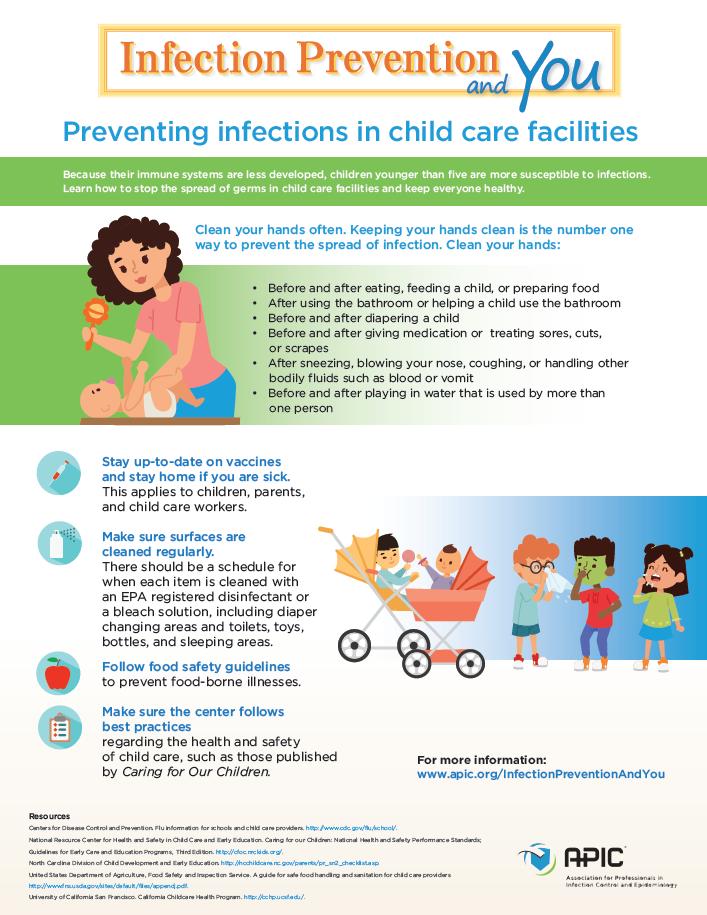
IMAGE

Credit: Association for Professionals in Infection Control and Epidemiology

Arlington, VA, November 29, 2016 – Child care personnel properly clean their hands less than a quarter of the times they are supposed to, according to a study published in the December issue of the American Journal of Infection Control, the official journal of the Association for Professionals in Infection Control and Epidemiology (APIC, http://www.apic.org).

A new study from the University of Arkansas used video cameras to record handwashing habits and compliance among child care workers at an early childhood center in northwest Arkansas. The researchers found that personnel and parents at the facility on average followed proper handwashing procedures only 22 percent of the time before and/or after tasks such as wiping noses, emptying garbage cans, preparing food, changing diapers, or using their cell phones. Caregivers washed 30 percent of the time it was called for, with paraprofessional aides at 11 percent, and parents at 4 percent.

"Handwashing is an important component of reducing illness transmission among children in early childhood centers, especially for the adults in charge of their care," said lead study author Jennifer Henk, PhD. "As we seek to improve overall quality in early childhood settings, our study shows the need to adopt creative strategies to increase handwashing compliance and efficacy."

Surveillance cameras were used to randomly record 25 hours of handwashing compliance in ten different classrooms. The center was aware of the cameras, but not alerted to the primary purpose of the study. There were a total of 349 handwashing opportunities in the 25 hours; 78 corresponding handwashing events took place for an overall compliance rate of 22 percent. Handwashing opportunities and events were based on guidelines for early child care established by the American Academy of Pediatrics. The guidelines outline sequential handwashing steps that need to be followed, including use of warm water, soap, paper towels, and continuing for 20 seconds. This study confirms the results of previous studies in this area that there is a need for funding of education and training about proper hand hygiene.

"Hand hygiene in early childhood centers is especially important because children under five years of age have only partially developed immune systems, increasing their susceptibility to communicable diseases," said Susan Dolan, RN, MS, CIC, FAPIC, president of APIC. "Studies have shown that children who spend time in an early childhood care center are two to three times more likely to acquire infections than children cared for in the home, with respiratory and gastrointestinal infections posing the highest risks."

Handwashing can prevent about 30 percent of diarrhea-related sicknesses and about 20 percent of respiratory infection in children, according to the Centers for Disease Control and Prevention.

###

Visit http://www.apic.org/infectionpreventionchildcare to access APIC's new infographic and more information about preventing infections in child care facilities.

Media Contact

Carly O'Brien
[email protected]
202-683-3163
@elseviernews

https://www.elsevier.com/

Share12Tweet8Share2ShareShareShare2

Related Posts

New Study Connects Age-Related Gut Changes to Higher Disease Risk

May 15, 2026
Single mother must adapt swiftly — the survival of her colony depends on it — Biology

Single mother must adapt swiftly — the survival of her colony depends on it

May 15, 2026

Cancer-Linked Protein Plays Key Role in Tumor DNA Repair

May 15, 2026

Single-Cell Atlas Reveals CD55+ Stem Cells’ Role in Atherosclerosis

May 15, 2026
Please login to join discussion

POPULAR NEWS

  • Research Indicates Potential Connection Between Prenatal Medication Exposure and Elevated Autism Risk

    843 shares
    Share 337 Tweet 211
  • New Study Reveals Plants Can Detect the Sound of Rain

    730 shares
    Share 291 Tweet 182
  • Salmonella Haem Blocks Macrophages, Boosts Infection

    62 shares
    Share 25 Tweet 16
  • Breastmilk Balances E. coli and Beneficial Bacteria in Infant Gut Microbiomes

    58 shares
    Share 23 Tweet 15

About

We bring you the latest biotechnology news from best research centers and universities around the world. Check our website.

Follow us

Recent News

New Study Connects Age-Related Gut Changes to Higher Disease Risk

Single mother must adapt swiftly — the survival of her colony depends on it

Cancer-Linked Protein Plays Key Role in Tumor DNA Repair

Subscribe to Blog via Email

Enter your email address to subscribe to this blog and receive notifications of new posts by email.

Join 82 other subscribers
  • Contact Us

Bioengineer.org © Copyright 2023 All Rights Reserved.

Welcome Back!

Login to your account below

Forgotten Password?

Retrieve your password

Please enter your username or email address to reset your password.

Log In
No Result
View All Result
  • Homepages
    • Home Page 1
    • Home Page 2
  • News
  • National
  • Business
  • Health
  • Lifestyle
  • Science

Bioengineer.org © Copyright 2023 All Rights Reserved.