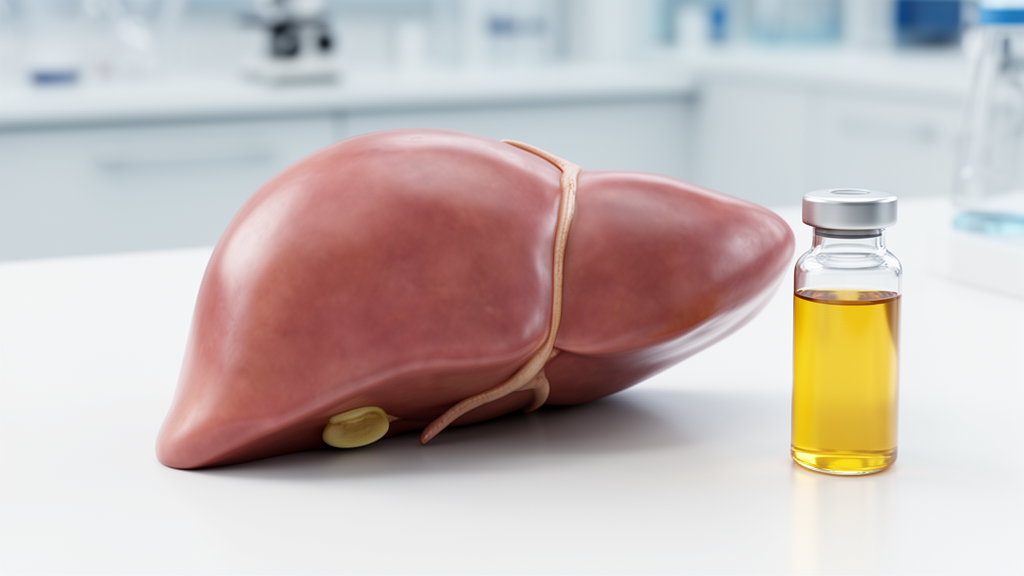
Published in the journal Animal Diseases in June 2026, the study provides detailed mechanistic evidence that the herbal extract modulates key signaling pathways associated with inflammation, oxidative stress, and cell death. The findings suggest that S. splendens possesses hepatoprotective properties comparable to the standard pharmaceutical agent silymarin, offering a potential natural alternative for managing drug-induced liver injury.
The study was designed to evaluate the hepatoprotective potential of S. splendens leaf extract in a controlled animal model. Twenty-four rats were randomly divided into four groups of six animals each. The experimental protocol lasted for 14 days, during which the rats were monitored for changes in body weight, hematological parameters, and liver and renal function. The groups included a negative control, a positive control receiving atorvastatin, a standard treatment group receiving atorvastatin plus silymarin, and a herbal treatment group receiving atorvastatin plus S. splendens extract.
Atorvastatin, a widely prescribed statin used to treat hypercholesterolemia, is known to cause adverse effects such as hepatic, renal, and muscular toxicity when used at high doses or for extended periods. The researchers selected a dose of 20 mg/kg/day for atorvastatin, a level previously established in toxicological studies to reliably induce significant hepatic toxicity in rats without causing excessive systemic toxicity. This dose was chosen to create a consistent model of drug-induced liver injury, characterized by elevated liver enzymes and histopathological changes such as hepatocellular degeneration and necrosis.
The S. splendens extract was prepared using an ethanol-based Soxhlet extraction method. High-performance liquid chromatography (HPLC) analysis revealed that the extract contains several phenolic compounds, with quercetin being the most abundant at 15.80 mg/kg, followed by gallic acid at 5.51 mg/kg. Other detected compounds included chlorogenic acid, benzoic acid, p-coumaric acid, caffeic acid, and syringic acid. These phenolics are known for their antioxidant and anti-inflammatory properties, which likely contribute to the protective effects observed in the study.
Upon administration of atorvastatin, the rats experienced a significant reduction in body weight gain and a marked increase in liver and renal function markers. Liver function tests revealed significantly higher levels of aspartate aminotransferase (AST), alanine aminotransferase (ALT), and alkaline phosphatase (ALP), confirming hepatocellular injury. Additionally, the atorvastatin group exhibited elevated levels of urea and creatinine, suggesting secondary renal impairment associated with the liver damage.
Treatment with S. splendens extract significantly improved these adverse outcomes. The herbal treatment group demonstrated restored body weight gain, normalized hematological parameters, and reduced levels of liver enzymes compared to the atorvastatin-only group. The extract also restored antioxidant status, as evidenced by increased total antioxidant capacity and decreased total oxidant status. Enzymatic antioxidants, including superoxide dismutase (SOD) and catalase, were restored to levels closer to those of the healthy control group, indicating effective mitigation of oxidative stress.
Molecular analysis via quantitative real-time polymerase chain reaction (qRT-PCR) provided insights into the underlying mechanisms. Atorvastatin-induced liver injury caused significant dysregulation of genes involved in oxidative stress, inflammation, and apoptosis. Specifically, the expression of proapoptotic markers BAX and BAD increased, while the anti-apoptotic marker BCL2 was altered. Inflammatory cytokines, including IL-6, IL-10, and IL-33, were markedly elevated in the injured liver tissue. The S. splendens treatment significantly downregulated these inflammatory markers and modulated the expression of genes associated with the ERK and AKT signaling pathways, which are critical for cell survival and metabolic regulation.
Furthermore, the extract normalized the expression of peroxisome proliferator-activated receptor (PPAR) and the proliferation marker MKi67. The reduction in dual oxidase (DUOX) expression suggests that S. splendens helps control reactive oxygen species generation. These molecular changes align with the biochemical and histopathological findings, demonstrating a comprehensive protective effect. The study highlights that the extract’s benefits are likely due to its high phenolic content, particularly quercetin and gallic acid, which exert hepatoprotection through mechanisms that overlap with but are partially distinct from those of silymarin.
Histopathological analysis of liver tissue corroborated the biochemical results. The negative control group displayed normal hepatocyte architecture with no signs of immune infiltration or apoptosis. In contrast, the positive control group showed severe hepatocellular damage, including vacuolization, granulomatous infiltration, and localized necrosis. While silymarin treatment largely restored liver architecture, the S. splendens extract therapy dramatically improved liver structure, showing numerous hepatocytes in the regenerative mitotic stage and reduced immune cell infiltration. This histological evidence supports the conclusion that the extract promotes tissue regeneration and reduces inflammatory damage.
The study also noted that atorvastatin-induced hepatotoxicity impaired renal function, as indicated by elevated urea and creatinine levels. Both silymarin and S. splendens treatments significantly normalized these markers, demonstrating protective effects against secondary renal stress. This multi-organ protection suggests that the extract may help mitigate the systemic toxicity associated with statin use. The improvement in body weight and hematological parameters further indicates that S. splendens restores metabolic balance and systemic health, likely through the attenuation of oxidative stress and inflammation.
Despite these promising results, the study has certain limitations. The researchers used a single dose of S. splendens extract (200 mg/kg/day), which precludes conclusions about dose dependency. While previous studies report dose-dependent effects and a large safety margin, further investigations across multiple dose levels are warranted to define the optimal therapeutic range. Additionally, the study was conducted in an animal model, and while the mechanisms of hepatotoxicity are similar in rats and humans, human hepatotoxicity is often less common and depends on genetic variation and drug interactions. Therefore, clinical trials are needed to fully establish the efficacy and safety of S. splendens in human health.
Overall, this study provides new mechanistic insights into the hepatoprotective effects of S. splendens, showing the regulation of oxidative stress, inflammatory cytokines, apoptosis, and survival signaling in a novel atorvastatin-induced hepatotoxicity model. The combination of biochemical, molecular, and histopathological evidence, along with direct comparisons with silymarin, highlights the therapeutic promise of S. splendens as a safe and effective intervention for statin-related liver injury. These findings contribute to the growing body of evidence supporting the use of herbal interventions in managing drug-induced liver disorders.
The study was conducted at the University of Agriculture, Faisalabad, where the research team obtained the Wistar albino rats and secured approval from the Institutional Animal Ethics Committee. The experimental protocol adhered to the guidelines of the National Institute of Health, ensuring that all animals were in a clinically healthy state with no observable disease prior to the commencement of the trial.
Statistical analysis of the data was performed using one-way analysis of variance followed by Tukey’s post hoc test to determine the significance of differences between the treatment groups.
The study acknowledges that feed intake was not recorded during the experimental period, which means the feed conversion ratio could not be estimated. Despite this, the observed improvements in body weight gain in the treated groups suggest a positive impact on overall physiological status.
The molecular analysis utilized the 2−ΔCt method to determine gene expression levels, with the control group set as the baseline for fold-change calculations. RNA purity was verified using the A260/A280 ratio, with values between 1.8 and 2.0 considered acceptable for downstream applications.
Subject of Research: Modulation of ERK/AKT, inflammatory cytokines, and apoptotic signaling by Salvia splendens leaf extract in atorvastatin-induced hepatotoxicity in Wistar albino rats
Article Title: Modulation of ERK/AKT, inflammatory cytokines, and apoptotic signaling by Salvia splendens leaf extract in atorvastatin-induced hepatotoxicity in Wistar albino rats
Article References: Gajian, W., Ganj, M., Hawa, N., & Irshad, F. (2026). Modulation of ERK/AKT, inflammatory cytokines, and apoptotic signaling by Salvia splendens leaf extract in atorvastatin-induced hepatotoxicity in Wistar albino rats. Animal Diseases, 6(1), Article 33. https://doi.org/10.1186/s44149-026-00246-6
Image Credits: AI Generated
DOI: 10.1186/s44149-026-00246-6
Keywords: Modulation, inflammatory, cytokines, apoptotic, signaling, Salvia, splendens, leaf, extract, atorvastatin-induced, hepatotoxicity, Wistar
News Source: Drew Townsend. (November 8, 2026). Salvia splendens extract protects rat livers from statin damage. Scienmag.