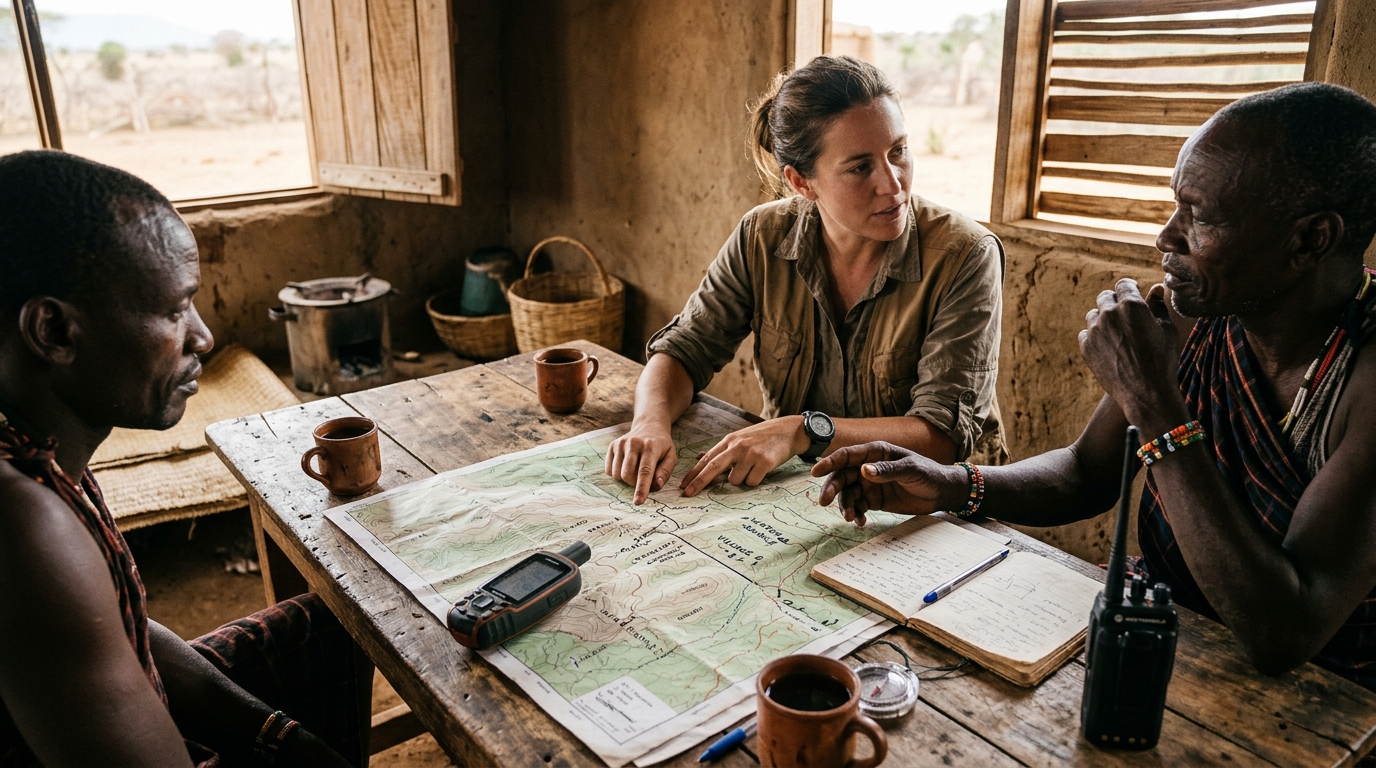
A narrative literature review published in Conflict and Health presents a preliminary theoretical framework designed to address the complexities of conducting health and implementation research in conflict-induced humanitarian settings. The study, led by Vita Kachai, Vira Chernobrovkina, and Carl R. May, synthesizes existing literature to conceptualize how trust operates as both a precondition for initiating research and a dynamic result of research practice.
The authors conducted a systematic search across four major databases: Google Scholar, Scopus, PubMed, and Web of Science. The search focused on studies that reflect on the research conduct process in conflict-induced humanitarian settings, with a specific emphasis on implementation research and the broader health-related field. From this search, twenty-seven studies were included in the final synthesis.
The included studies covered eight world regions and a diverse range of conflict-affected settings. These settings included fragile and conflict-affected states, displacement and refugee situations, and complex humanitarian crises. The methodologies used in the included papers were largely qualitative. While nearly half of the studies reflected on the research conduct process itself, others focused on specific interventions.
The review identified nine key constructs of research practice in such settings, which were organized into three categories: relational, systemic, and societal aspects of trust. The authors examined the relationships and interactions of these constructs with the research process and illustrated them in a conceptual model. This model highlights the epistemological dilemma that trust operates dually: it is a necessary precondition that enables the initiation of research, yet it is also a result that is continuously shaped through researchers’ engagement, interaction, and decision-making within a given context.
The findings underscore the importance of reflexive researcher positioning in conflict-affected areas. Researchers are encouraged to pay close attention to power dynamics that influence the research relationship. The review advocates for collaborative, context-sensitive, and inclusive approaches to support ethical and credible knowledge production.
The study concludes that trust plays a central and dynamic role in conducting research, including implementation research, in conflict-induced humanitarian settings. The preliminary theoretical framework developed as an outcome of this review requires further refinement. The authors suggest that this framework can guide meta-implementation research to support research practices in adverse settings.
The review highlights that while the importance of conducting research in settings marked by violence is widely acknowledged, the practice of health research itself is rarely a focus of research endeavors. This gap limits the understanding of the complexities of research conduct in conflict-induced humanitarian settings.
The article is part of a broader effort to improve humanitarian responses by generating credible knowledge.
Subject of Research: Theoretical framework for trust in health research within conflict-induced humanitarian settings
Article Title: Trust in the conduct of health and implementation research in conflict-induced humanitarian settings: a narrative literature review and preliminary theoretical framework
Article References: Kachai, V., Chernobrovkina, V., & May, C. R. (2026). Trust in the conduct of health and implementation research in conflict-induced humanitarian settings: a narrative literature review and preliminary theoretical framework. Conflict and Health. https://doi.org/10.1186/s13031-026-00835-9
Image Credits: AI Generated
DOI: 10.1186/s13031-026-00835-9
Keywords: health research, conflict zones, humanitarian settings, implementation research, trust, narrative review, theoretical framework, ethics, conduct, health, implementation, research
News Source: Courtney Benton. (November 8, 2026). Trust Framework for Research in Conflict Zones. Scienmag.