A 2023 study published in Green Technology, Resilience, and Sustainability analyzes how Qatar rapidly transformed its food production strategies following the 2017 regional blockade. The research indicates that the country shifted from importing approximately 90% of its food to locally producing a high proportion of its agricultural needs, even becoming an exporter of certain farm produce. This strategic pivot was driven by geopolitical tensions that severed traditional supply routes, forcing the nation to activate private and public initiatives to support local farmers and ensure food security for its population.
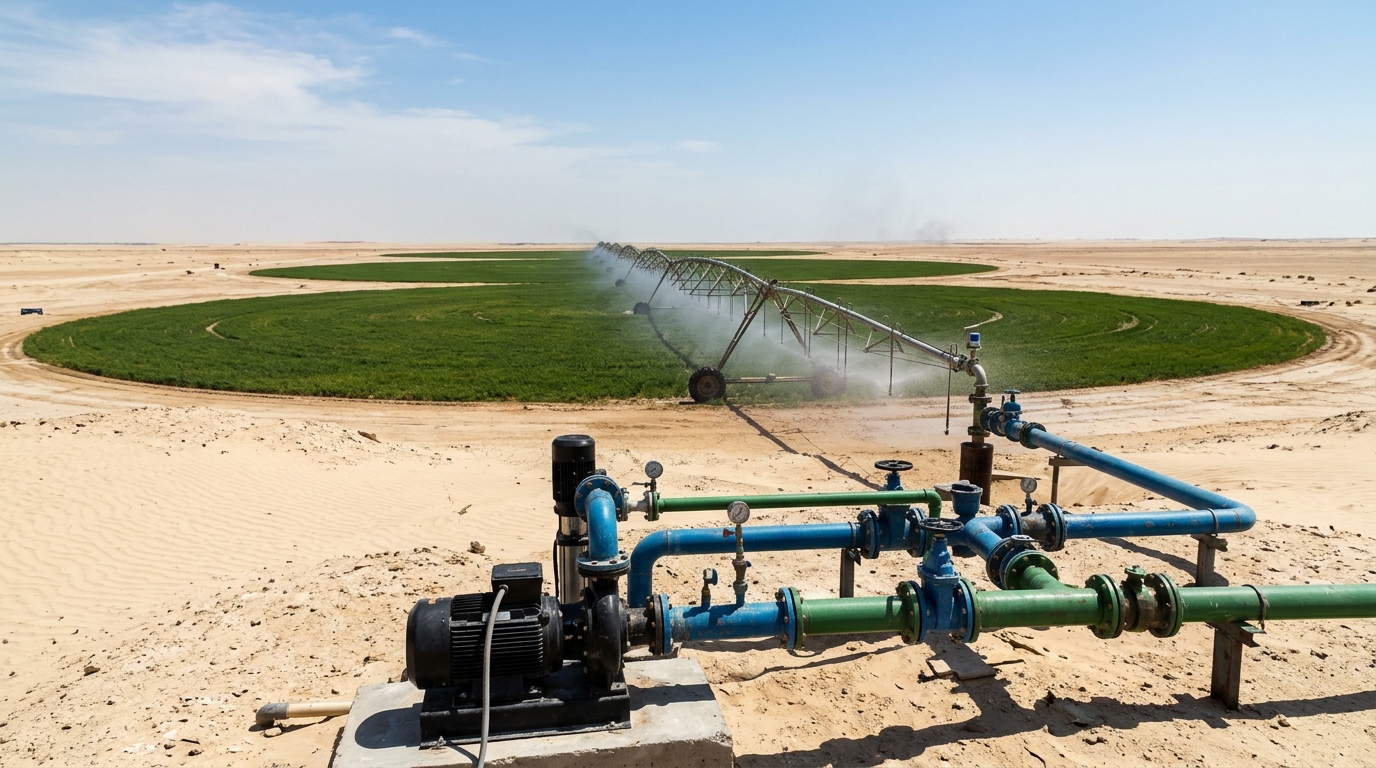
The study highlights that Qatar’s success in enhancing food self-sufficiency came at a significant environmental cost. The increase in local food production was achieved by depleting the country’s groundwater at a rate higher than its natural recharge. This unsustainable extraction has led to reduced groundwater levels, increased salinity, and the exhaustion of aquifers, posing a long-term threat to the viability of the agricultural sector. The authors critically assess this specific situation as a case study for other nations aiming to strengthen their food security during transnational crises.
Qatar’s demographic and economic context provided the backdrop for these changes. The country experienced a 353% population increase between 2000 and 2020, growing from 613,969 to 2,782,106 residents. This rapid growth, driven by the inflow of foreign workers and professionals due to economic expansion, created a diverse population with varied nutritional requirements. The economic boom, fueled by oil and natural gas exports, allowed the government to invest in agricultural infrastructure, despite the country’s arid climate and limited arable land.
Geographic constraints further complicated the push for self-sufficiency. Qatar is classified as one of the world’s most arid countries, with an average annual rainfall of only 80 mm and evapotranspiration rates of approximately 2,000 mm per year. The available area for agriculture is limited to 67,100 hectares, representing about 6% of the total land area. In the pre-blockade era, modern agricultural techniques were not widely applied, leading to low productivity and heavy reliance on imports from countries in Asia, the Middle East, Europe, and the United States.
The 2017 blockade by Saudi Arabia, the United Arab Emirates, Bahrain, and Egypt disrupted Qatar’s primary food supply routes. Previously, most imported food arrived via the Saudi land border or the Strait of Hormuz. This crisis accelerated the adoption of new agricultural strategies, including the expansion of cultivated land from 9,112 hectares in 2009 to 13,203 hectares in 2018.
Water management emerged as the central challenge in this agricultural expansion. Qatar depends on groundwater and rainwater for agricultural activities, as desalination is primarily used for domestic and industrial purposes. This imbalance has caused the fresh groundwater lens to shrink dramatically, from 1,683 square kilometers in 1971 to just 275 square kilometers in 2009. Reports indicate that groundwater with low salinity levels may be exhausted within a few years, forcing farmers to use more expensive desalination technologies or abandon their farms.
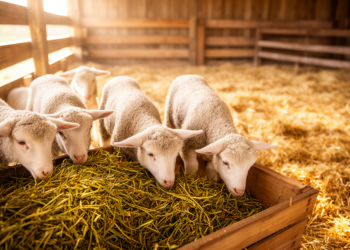
Despite these challenges, Qatar achieved notable successes in specific sectors. The dairy industry saw a dramatic transformation, with milk and dairy production increasing from 56,146 tons in 2017 to 226,408 tons in 2018. The company Baladna imported 4,000 cows immediately after the blockade, expanding its herd to 22,000 and achieving self-sufficiency in dairy products. Similarly, poultry meat production increased from 15,206 tons in 2017 to 26,208 tons in 2018, while egg production rose by 69%.
Vegetable production also improved, though it remains dependent on imports for a significant portion of consumption. In 2018, domestic vegetable production reached 74,650 tons, covering 14.56% of total consumption. The self-sufficiency ratio for vegetables increased from 12.3% in 2016 to 14.1% in 2018. However, the study notes that self-sufficiency exhibits a seasonal pattern, with local production covering about 70% of consumption in winter and spring, but dropping to zero during summer months when the country relies entirely on imports. The government is working to convert 110 hectares of land to high-tech greenhouses using hydroponics to achieve 70% self-sufficiency for specific vegetables by 2030.
The study also examines the role of treated sewage effluent (TSE) as an alternative water source. TSE covered 22% of the total water used for agriculture in 2016, with 66.29 million cubic meters utilized. Although TSE is significantly cheaper than desalination, its use is limited by social, cultural, and religious aversions. The government has restricted groundwater drilling and legislated limits on withdrawal to mitigate depletion, leading to improved water-use efficiency. The amount of water needed per ton of agricultural produce decreased from 940 cubic meters in 1995 to 437 cubic meters in 2013.
Qatar’s global food security ranking improved during this period, moving from 29th to 22nd place in the Global Food Security Index between 2017 and 2018. The Qatar National Food Security Program (QNFSP) continues to pursue initiatives to reduce food imports and achieve water and energy security. The program focuses on expanding the use of efficient technologies like hydroponics and drip irrigation, while also developing strategic reserves and diversifying trade routes.
The research concludes that while Qatar has successfully increased its food resilience and reduced susceptibility to international supply chain disruptions, the environmental sustainability of this model is questionable. The country is now exploring alternative methods to provide farm produce with a lower water footprint, such as using treated wastewater and implementing more efficient desalination technologies. The study serves as a critical example for other arid nations facing similar challenges, highlighting the trade-offs between food security and resource conservation. The coming years will be crucial for Qatar to address the negative externalities of local food production, particularly regarding the sustainable management of its scarce water resources.
The authors emphasize that the rapid shift in Qatar’s food strategy was a response to an unprecedented geopolitical crisis. The ability to adapt and implement large-scale agricultural changes in a short period demonstrates the potential for resilience in food systems. However, the long-term viability of these strategies depends on the country’s ability to balance agricultural expansion with environmental limits. The study provides a detailed analysis of the drivers, challenges, and outcomes of Qatar’s food security campaign, offering insights into the complex interplay between politics, economics, and environmental sustainability in arid regions.
This case study underscores the importance of integrated policy approaches to food security. By combining domestic production efforts with strategic reserves and international trade diversification, Qatar has created a more robust food system. Yet, the reliance on groundwater depletion highlights the need for innovative water management solutions. As global food supply chains face increasing disruptions from various crises, Qatar’s experience offers valuable lessons for other countries seeking to enhance their food self-sufficiency while managing their natural resources responsibly.
Subject of Research: Analysis of Qatar's food security strategies and their environmental impact on groundwater resources following the 2017 blockade.
Article Title: Food security strategy to enhance food self-sufficiency and overcome international food supply chain crisis: the state of Qatar as a case study
Article References: Amhamed, A., Genidi, N., Abotaleb, A., Sodiq, A., Abdullatif, Y., Hushari, M., & Al-Kuwari, M. (2023). Food security strategy to enhance food self-sufficiency and overcome international food supply chain crisis: the state of Qatar as a case study. Green Technology, Resilience, and Sustainability, 3(1), Article 3. https://doi.org/10.1007/s44173-023-00012-8
Image Credits: AI Generated
DOI: 10.1007/s44173-023-00012-8
Keywords: Qatar, Food Security, Groundwater Depletion, Agriculture, Self-Sufficiency, Water Scarcity, Geopolitics, Sustainability, Desalination, Supply Chain, Food, security
News Source: Sloane Callahan. (November 7, 2026). Qatar’s Food Self-Sufficiency Shift Strains Groundwater Resources. Scienmag.