• HOME
  • NEWS
  • EXPLORE
    • CAREER
      • Companies
      • Jobs
    • EVENTS
    • iGEM
      • News
      • Team
    • PHOTOS
    • VIDEO
    • WIKI
  • BLOG
  • COMMUNITY
    • FACEBOOK
    • INSTAGRAM
    • TWITTER
Saturday, February 7, 2026
BIOENGINEER.ORG
No Result
View All Result
  • Login
  • HOME
  • NEWS
  • EXPLORE
    • CAREER
      • Companies
      • Jobs
        • Lecturer
        • PhD Studentship
        • Postdoc
        • Research Assistant
    • EVENTS
    • iGEM
      • News
      • Team
    • PHOTOS
    • VIDEO
    • WIKI
  • BLOG
  • COMMUNITY
    • FACEBOOK
    • INSTAGRAM
    • TWITTER
  • HOME
  • NEWS
  • EXPLORE
    • CAREER
      • Companies
      • Jobs
        • Lecturer
        • PhD Studentship
        • Postdoc
        • Research Assistant
    • EVENTS
    • iGEM
      • News
      • Team
    • PHOTOS
    • VIDEO
    • WIKI
  • BLOG
  • COMMUNITY
    • FACEBOOK
    • INSTAGRAM
    • TWITTER
No Result
View All Result
Bioengineer.org
No Result
View All Result
Home Headlines

Half of primary care doctors provide unnecessary specialty referrals…

Bioengineer.org by Bioengineer.org
January 18, 2018
in Headlines, Health, Science News
Reading Time: 2 mins read
1
Share on FacebookShare on TwitterShare on LinkedinShare on RedditShare on Telegram
IMAGE

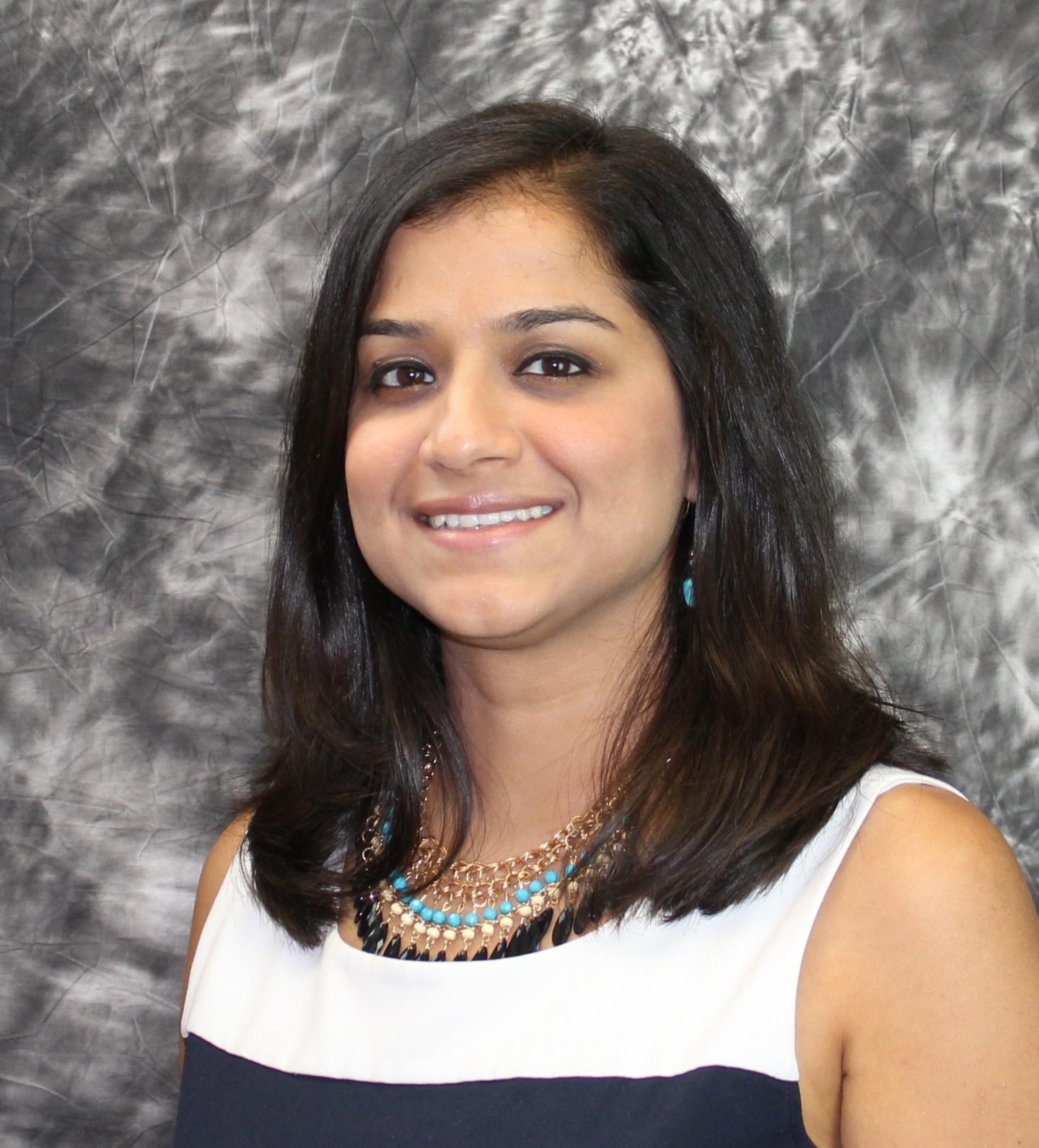
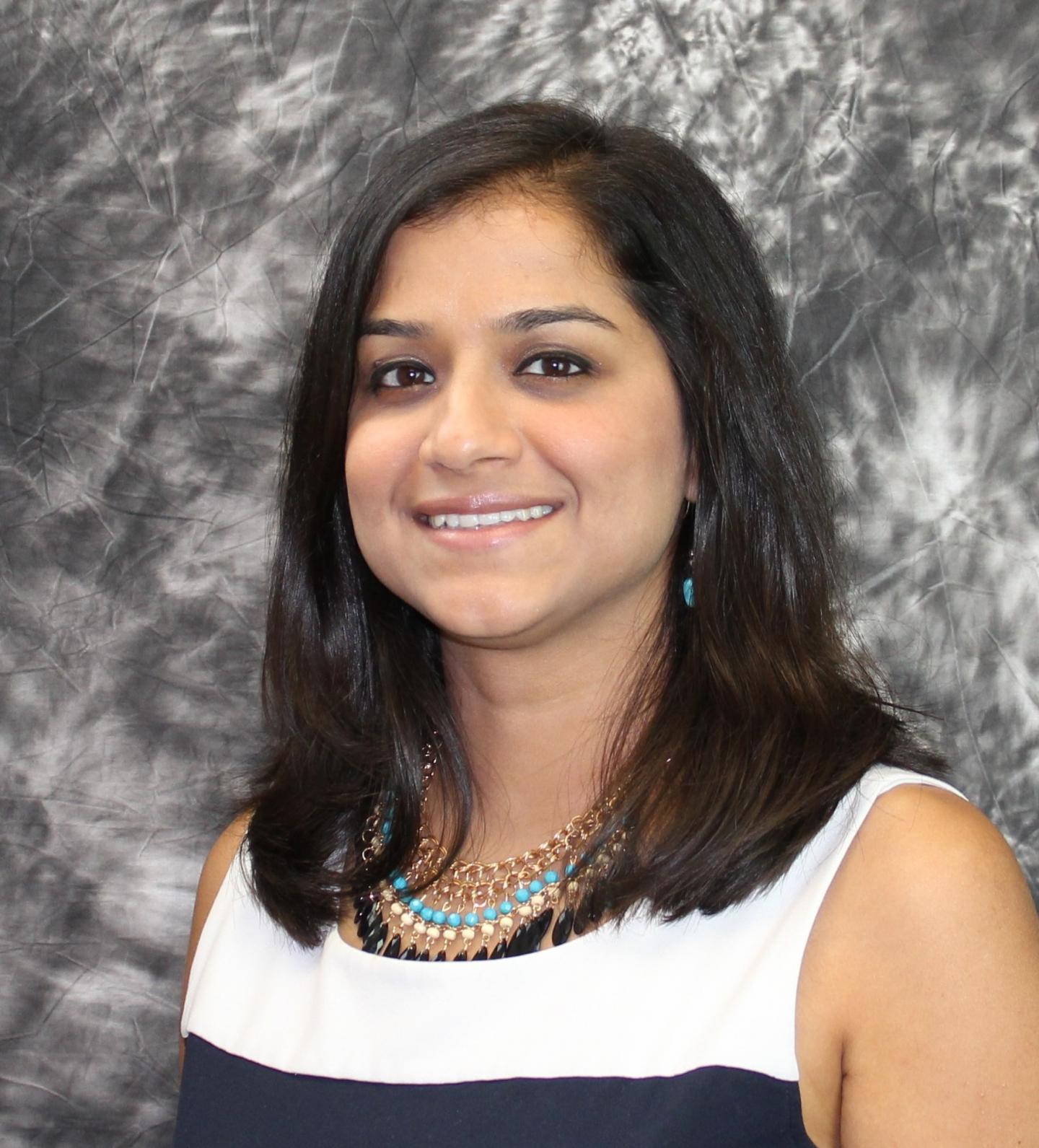
IMAGE: Lead author Sapna Kaul is shown.

Credit: The University of Texas Medical Branch at Galveston

A study recently published in the American Journal of Managed Care found that more than half of primary care providers reported that they made what they considered unnecessary referrals to a specialist because patients requested it. Many physicians said they yielded to patient requests for brand-name drug prescriptions when cheaper generics were available. This study was conducted by Sapna Kaul, assistant professor of health economics in The University of Texas Medical Branch at Galveston department of preventive medicine and community health, in collaboration with researchers from the Massachusetts General Hospital and Harvard Medical School.

Thirty percent of U.S. health care expenses each year are thought to be unnecessary. Physicians are increasingly expected to consider the costs of their treatment plans on the health care system when making medical decisions. However, little is known about how physicians balance cost-saving expectations in the face of patient requests.

Specialty referral rates have more than doubled in the last decade, raising questions about what is driving this pattern. Recent research shows that almost half of physicians report at least one patient request per week for what a doctor considers an unnecessary test or procedure.

In this study, researchers used data from a nationally representative survey of 840 primary care physicians in family practice, internal medicine and pediatrics.

In response to patient requests, 52 percent of the surveyed physicians reported making what they considered unnecessary referrals for a specialist and 39 percent prescribed brand-name drugs despite generic alternatives. Family physicians and internal medicine physicians were more likely than pediatricians to prescribe brand-name drugs and make unnecessary referrals. Other factors of giving into to patient demands included interactions with drug/device representatives, more years of clinical experience, seeing fewer underinsured patients and medical practices with only one or two physicians.

"Unnecessary medical practices may cause unneeded emotional and financial stress for patients and their loved ones," said Kaul. "Both physician and patient-level strategies are required to limit wastage of medical resources. Efforts to reduce unnecessary practices could include educating physicians about the benefits that result from avoidance of over/under use of medical services and implementing incentives to create a system of value seeking patients."

###

Other authors include Anne Kirchhoff from the Huntsman Cancer Institute at the University of Utah; Nancy Morden from The Dartmouth Institute for Health Policy; Christine Vogeli from Massachusetts General Hospital and Eric Campbell from both Massachusetts General Hospital and Harvard Medical School.

Media Contact

Donna Ramirez
[email protected]
409-772-8791
@utmb_news

http://www.utmb.edu

Share12Tweet7Share2ShareShareShare1

Related Posts

Phage-Antibiotic Combo Beats Resistant Peritoneal Infection

February 7, 2026

Boosting Remote Healthcare: Stepped-Wedge Trial Insights

February 7, 2026

Barriers and Boosters of Seniors’ Physical Activity in Karachi

February 7, 2026

Evaluating Pediatric Emergency Care Quality in Ethiopia

February 7, 2026
Please login to join discussion

POPULAR NEWS

  • Robotic Ureteral Reconstruction: A Novel Approach

    Robotic Ureteral Reconstruction: A Novel Approach

    82 shares
    Share 33 Tweet 21
  • Digital Privacy: Health Data Control in Incarceration

    63 shares
    Share 25 Tweet 16
  • Study Reveals Lipid Accumulation in ME/CFS Cells

    57 shares
    Share 23 Tweet 14
  • Breakthrough in RNA Research Accelerates Medical Innovations Timeline

    53 shares
    Share 21 Tweet 13

About

We bring you the latest biotechnology news from best research centers and universities around the world. Check our website.

Follow us

Recent News

Phage-Antibiotic Combo Beats Resistant Peritoneal Infection

Boosting Remote Healthcare: Stepped-Wedge Trial Insights

Barriers and Boosters of Seniors’ Physical Activity in Karachi

Subscribe to Blog via Email

Enter your email address to subscribe to this blog and receive notifications of new posts by email.

Join 73 other subscribers
  • Contact Us

Bioengineer.org © Copyright 2023 All Rights Reserved.

Welcome Back!

Login to your account below

Forgotten Password?

Retrieve your password

Please enter your username or email address to reset your password.

Log In
No Result
View All Result
  • Homepages
    • Home Page 1
    • Home Page 2
  • News
  • National
  • Business
  • Health
  • Lifestyle
  • Science

Bioengineer.org © Copyright 2023 All Rights Reserved.