• HOME
  • NEWS
  • EXPLORE
    • CAREER
      • Companies
      • Jobs
    • EVENTS
    • iGEM
      • News
      • Team
    • PHOTOS
    • VIDEO
    • WIKI
  • BLOG
  • COMMUNITY
    • FACEBOOK
    • INSTAGRAM
    • TWITTER
Saturday, December 20, 2025
BIOENGINEER.ORG
No Result
View All Result
  • Login
  • HOME
  • NEWS
  • EXPLORE
    • CAREER
      • Companies
      • Jobs
        • Lecturer
        • PhD Studentship
        • Postdoc
        • Research Assistant
    • EVENTS
    • iGEM
      • News
      • Team
    • PHOTOS
    • VIDEO
    • WIKI
  • BLOG
  • COMMUNITY
    • FACEBOOK
    • INSTAGRAM
    • TWITTER
  • HOME
  • NEWS
  • EXPLORE
    • CAREER
      • Companies
      • Jobs
        • Lecturer
        • PhD Studentship
        • Postdoc
        • Research Assistant
    • EVENTS
    • iGEM
      • News
      • Team
    • PHOTOS
    • VIDEO
    • WIKI
  • BLOG
  • COMMUNITY
    • FACEBOOK
    • INSTAGRAM
    • TWITTER
No Result
View All Result
Bioengineer.org
No Result
View All Result
Home Headlines

Ketofol an alternative deep sedative for emergency departments

Bioengineer.org by Bioengineer.org
January 18, 2018
in Headlines, Health, Science News
Reading Time: 2 mins read
0
Share on FacebookShare on TwitterShare on LinkedinShare on RedditShare on Telegram
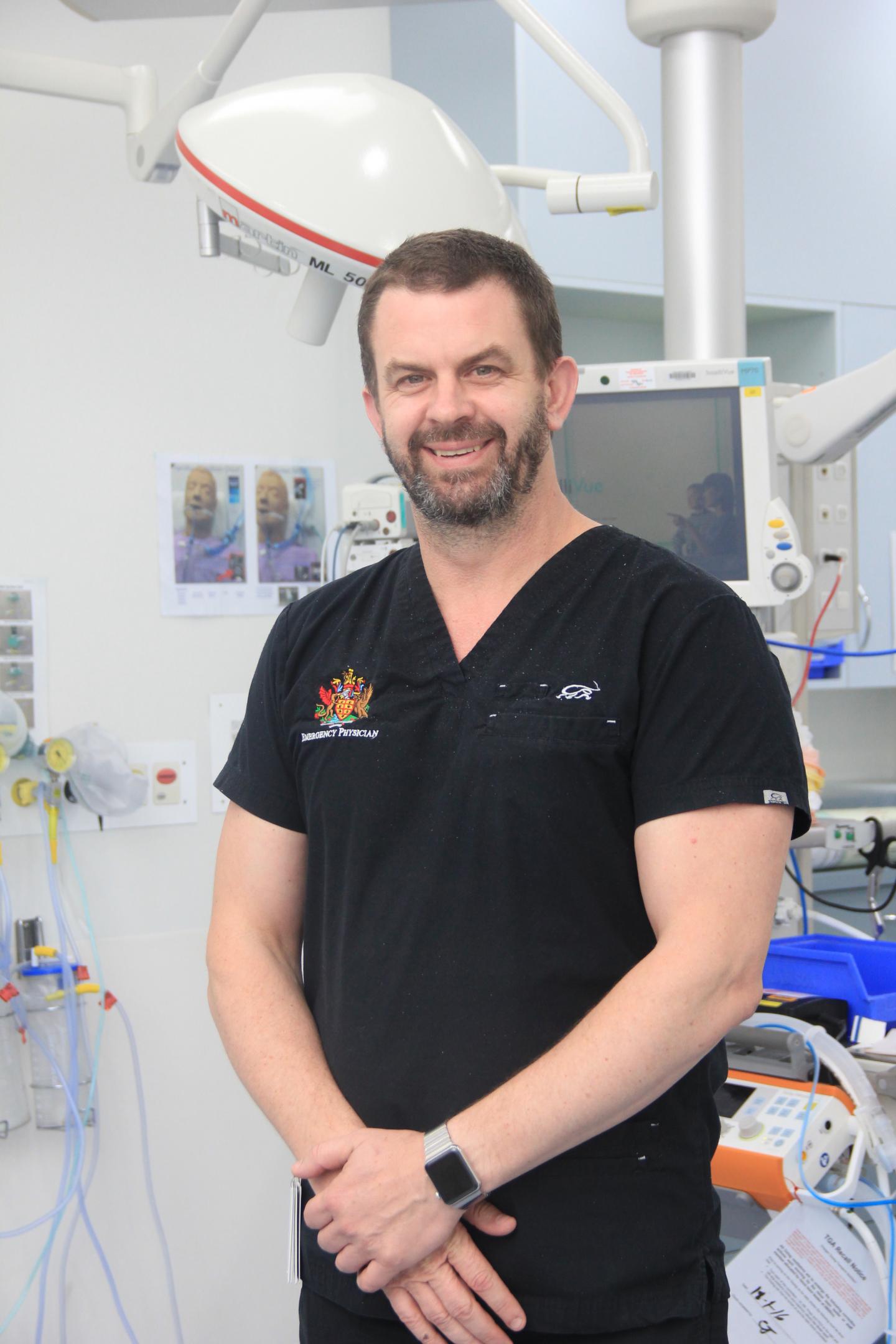
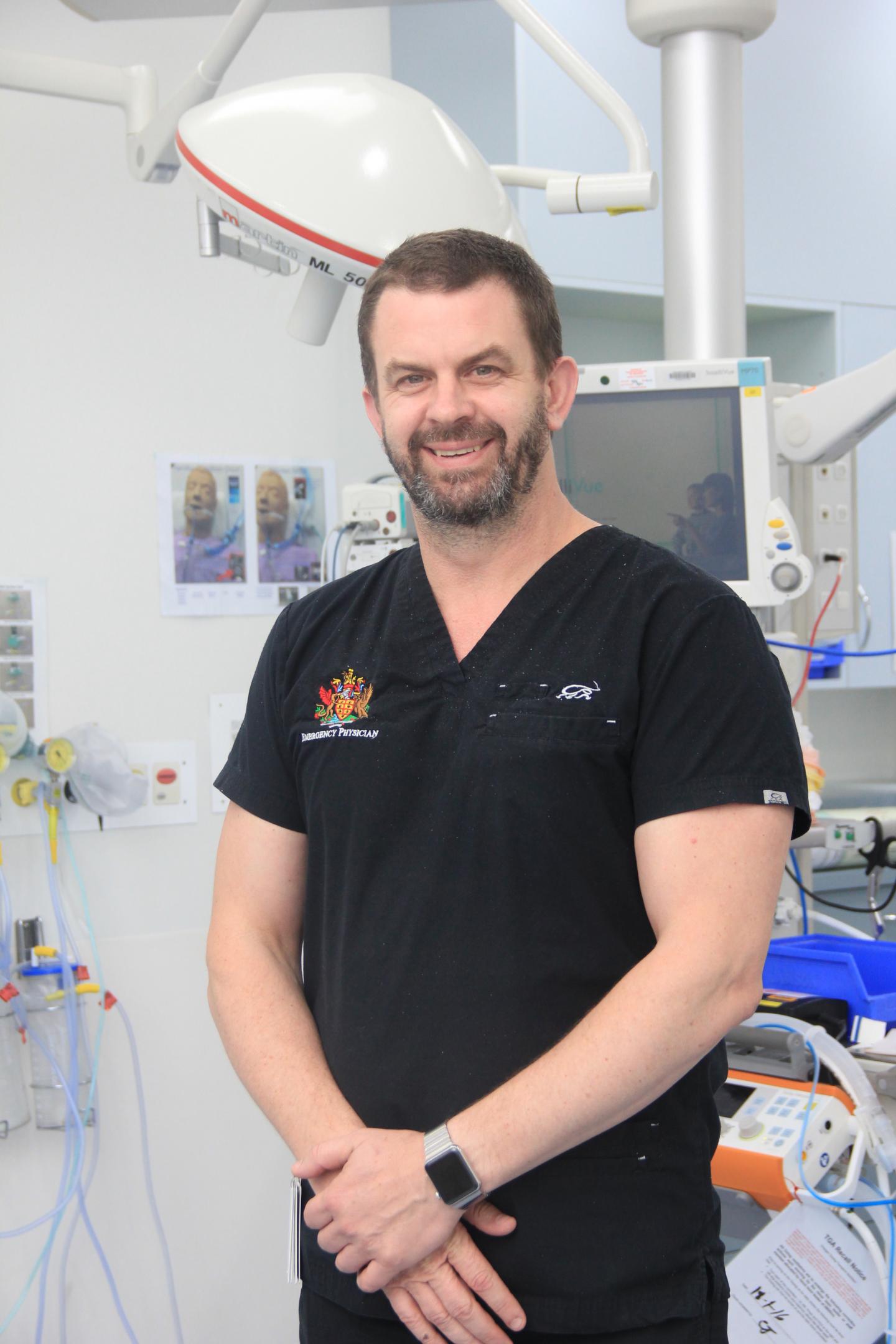
IMAGE

Credit: The Royal Brisbane and Women's Hospital

Australian emergency medicine researchers have successfully trialled an alternative deep sedative for patients in the emergency department.

In a large, randomised trial, it was found that patients responded well to a combination of the commonly used sedative propofol and another drug ketamine, which has both sedative and pain relieving properties.

The findings supported outcomes from earlier smaller trials and debunked the popular theory that ketamine causes frequent adverse psychological reactions in adults.

Dr Anthony Bell, Director of Emergency Medicine at the Royal Brisbane and Women's Hospital said the trial was important because it showed that a combination of propofol and ketamine, known as 'ketofol', was as effective as propofol alone for sedating adults for procedures in the emergency department.

"Historically, many emergency department clinicians were reluctant to use ketofol in adults due to concerns that the ketamine in the mixture would trigger a significant negative psychological reaction," said Dr Bell.

"However, in this 573 patient trial, we compared the two sedative regimens and found that ketofol didn't cause any more adverse reactions than propofol alone," he said.

"While ketofol was not shown to be superior to propofol, the two sedative regimens delivered similar outcomes and were both associated with high levels of patient satisfaction.

"Finding that ketofol is a viable alternative to propofol will give us more sedation options in the future, especially considering the pain relieving properties of ketamine, which may reduce the need for other opiate type medications."

The trial was led by Dr Bell, Dr Greg Treston, Dr Ian Ferguson, and Associate Professor Anna Holdgate and run across two Queensland hospitals — Queen Elizabeth II Jubilee Hospital and Bundaberg Hospital — as well as Liverpool Hospital in Sydney.

The researchers found that some patients receiving propofol were more likely to have slightly lower blood pressure (8%), with a small number of patients experiencing some form of hallucination (5% for ketafol compared with 2% for propofol). In the majority of cases, with both regimens, these were rated as pleasant by patients. Overall, the ketofol group had lower pain scores 30 minutes post-procedure.

The research was published in the November 2016 issue of the Annals of Emergency Medicine.

###

The research team was awarded an $115,000 Emergency Medicine Foundation (EMF) of Australia research grant, which was fully funded by Queensland Health.

Media Contact

Julia Renaud
[email protected]
61-737-205-700
@emfresearch

Home

Share12Tweet8Share2ShareShareShare2

Related Posts

MicroRNAs in Breastmilk of Overweight Mothers Reviewed

MicroRNAs in Breastmilk of Overweight Mothers Reviewed

December 20, 2025
Trial Tests Sensorimotor Stimulation for High-Risk Newborns

Trial Tests Sensorimotor Stimulation for High-Risk Newborns

December 20, 2025

Why Multiregional Accounting Matters for Corporate Emissions

December 20, 2025

Predicting Hospitalization Disability in Older Heart Failure Patients

December 20, 2025
Please login to join discussion

POPULAR NEWS

  • Nurses’ Views on Online Learning: Effects on Performance

    Nurses’ Views on Online Learning: Effects on Performance

    70 shares
    Share 28 Tweet 18
  • NSF funds machine-learning research at UNO and UNL to study energy requirements of walking in older adults

    71 shares
    Share 28 Tweet 18
  • Unraveling Levofloxacin’s Impact on Brain Function

    53 shares
    Share 21 Tweet 13
  • Exploring Audiology Accessibility in Johannesburg, South Africa

    51 shares
    Share 20 Tweet 13

About

We bring you the latest biotechnology news from best research centers and universities around the world. Check our website.

Follow us

Recent News

MicroRNAs in Breastmilk of Overweight Mothers Reviewed

Trial Tests Sensorimotor Stimulation for High-Risk Newborns

Why Multiregional Accounting Matters for Corporate Emissions

Subscribe to Blog via Email

Enter your email address to subscribe to this blog and receive notifications of new posts by email.

Join 70 other subscribers
  • Contact Us

Bioengineer.org © Copyright 2023 All Rights Reserved.

Welcome Back!

Login to your account below

Forgotten Password?

Retrieve your password

Please enter your username or email address to reset your password.

Log In
No Result
View All Result
  • Homepages
    • Home Page 1
    • Home Page 2
  • News
  • National
  • Business
  • Health
  • Lifestyle
  • Science

Bioengineer.org © Copyright 2023 All Rights Reserved.