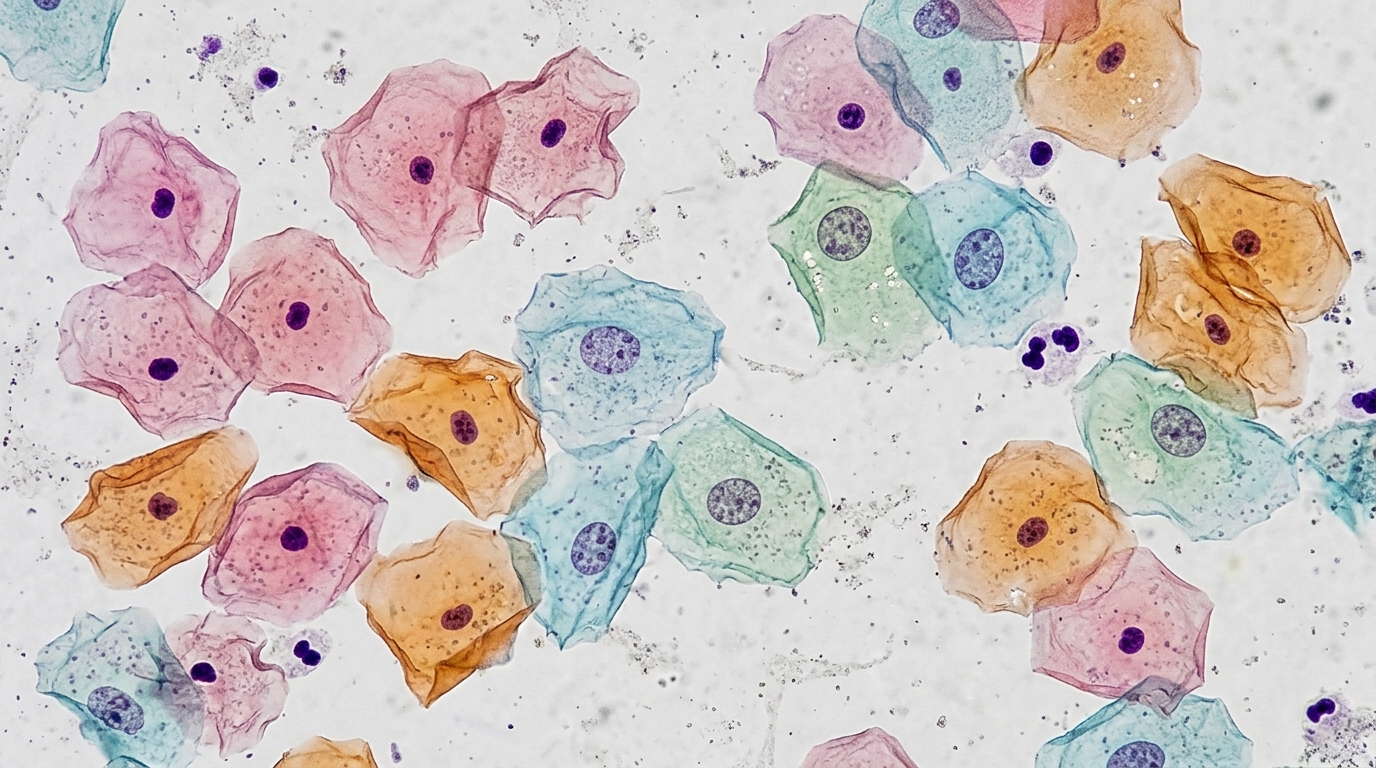
A Random Forest machine learning model achieved an area under the receiver operating characteristic curve of 0.966 and a sensitivity of 100% for individualized risk stratification of cervical cancer at a single point in time, according to a study published in BMC Medical Genomics. Developed by researchers evaluating clinical, molecular, and cytological features, the cross-sectional model was designed to assist timely clinical decision-making and individualized screening assessment.
Cervical cancer represents the fourth most common malignancy among women worldwide, carrying particularly poor prognosis and high rates of late-stage diagnosis across low- and middle-income countries. Although clinicians rely on the standard FIGO staging system, the authors noted that the current staging framework provides limited prognostic precision when assessing individual-level risk, highlighting the need for enhanced diagnostic decision-support tools.
The study cohort comprised 207 participants enrolled from the Fifth Affiliated Hospital of Sun Yat-sen University, including 151 non-cancer individuals and 56 cancer cases. Researchers gathered over 20 variables per participant, encompassing age, blood pressure, human papillomavirus (HPV) genotypes, P16 expression, cytological grading, and serum tumor markers such as squamous cell carcinoma antigen (SCC), carcinoembryonic antigen (CEA), and human epididymis protein 4 (HE4).
Feature selection was conducted through LASSO regression-based feature ranking. By assessing the performance of Random Forest models across different candidate feature subsets, the researchers determined an optimal set of 11 core predictors, which incorporated key factors such as SCC, HPV16/18, and high-grade squamous intraepithelial lesions (HSIL).
A comparative evaluation of 11 distinct machine learning models showed that Random Forest (RF) and Logistic Regression (LR) delivered the strongest overall performance. Random Forest was selected as the final model due to its balanced discrimination and calibration metrics, attaining the highest AUROC (0.966) and 100% sensitivity. Subsequent SHAP analysis identified SCC, HPV16/18 status, and documented P16 expression as the primary contributors to the model, and a nomogram was constructed for clinical visualization and interpretation.
The authors noted important limitations in their study scope, acknowledging that findings are based on cross-sectional data collected at a single center. The research team stated that external validation across multiple centers and the future integration of longitudinal data will be necessary next steps to establish generalizability and support prognostic applications in clinical settings.
Subject of Research: Machine learning model for cross-sectional cervical cancer risk stratification
Article Title: Development of a machine learning model for risk stratification of cervical cancer based on cross-sectional data
Article References: Zhang, S., Hu, C., Ou, H., Nie, Q., Chen, Y., Huang, D., Wang, F., Qin, C., Gu, L., & Xie, B. (2026). Development of a machine learning model for risk stratification of cervical cancer based on cross-sectional data. BMC Medical Genomics. https://doi.org/10.1186/s12920-026-02483-7
Image Credits: AI Generated
DOI: 10.1186/s12920-026-02483-7
Keywords: cervical cancer, machine learning, Random Forest, risk stratification, oncology, biomarkers, clinical diagnostics, SHAP analysis, Development, machine, learning, model
News Source: Nathaniel Bowman. (November 7, 2026). Random Forest Model Demonstrates High Accuracy for Cervical Cancer Risk Stratification. Scienmag.