The DNA damage tolerance factor Rad5 binds to yeast telomeres and exhibits notable enrichment during telomere replication in unperturbed wild-type cells, according to a mini-review published in Current Genetics by researcher Stefano Mattarocci.
Telomeres consist of repetitive DNA regions situated at the ends of chromosomes and are tightly bound by tandem arrays of proteins. In the review, Mattarocci explains that these specialized protein-DNA structures create unique physical impediments to replication fork progression, presenting distinct challenges during chromosome duplication.
To overcome replication fork blocks, cells utilize the DNA Damage Tolerance pathway as a primary resolution mechanism. A central component of this pathway is the fork-associated clamp PCNA, which undergoes mono- or polyubiquitination to direct error-prone or error-free DNA damage bypass. Within Saccharomyces cerevisiae, the Rad5 factor, an HLTF/SNF2 family member, participates in both modes by promoting error-free bypass through PCNA polyubiquitination and transient template switching, and by interacting with specialized DNA polymerases in the error-prone pathway.
The work highlights how tolerance factors operate at challenging chromosomal ends in wild-type yeast without external replication stress.
Subject of Research: Binding and enrichment of DNA damage tolerance factor Rad5 at yeast telomeres during replication
Article Title: The DNA damage tolerance factor Rad5 and telomere replication
Article References: Mattarocci, S. (2025). The DNA damage tolerance factor Rad5 and telomere replication. Current Genetics, 71(1), Article 11. https://doi.org/10.1007/s00294-025-01315-y
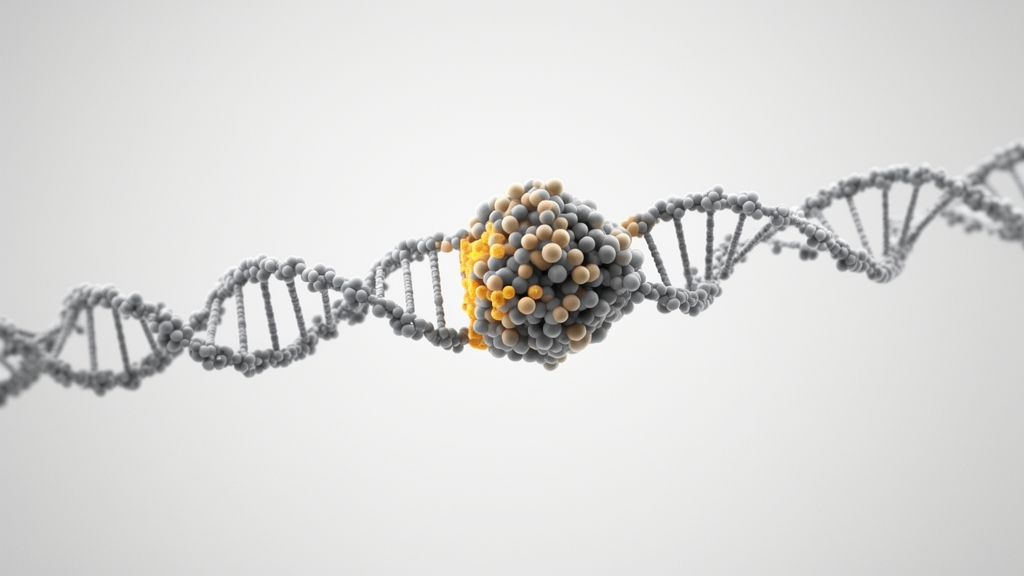
Image Credits: AI Generated
DOI: 10.1007/s00294-025-01315-y
Keywords: Rad5, telomere replication, DNA damage tolerance, Saccharomyces cerevisiae, PCNA, replication fork, Current Genetics, yeast genetics, damage, tolerance, factor, telomere
News Source: Drew Townsend. (November 7, 2026). DNA Damage Tolerance Factor Rad5 Enriched at Yeast Telomeres During Replication. Scienmag.