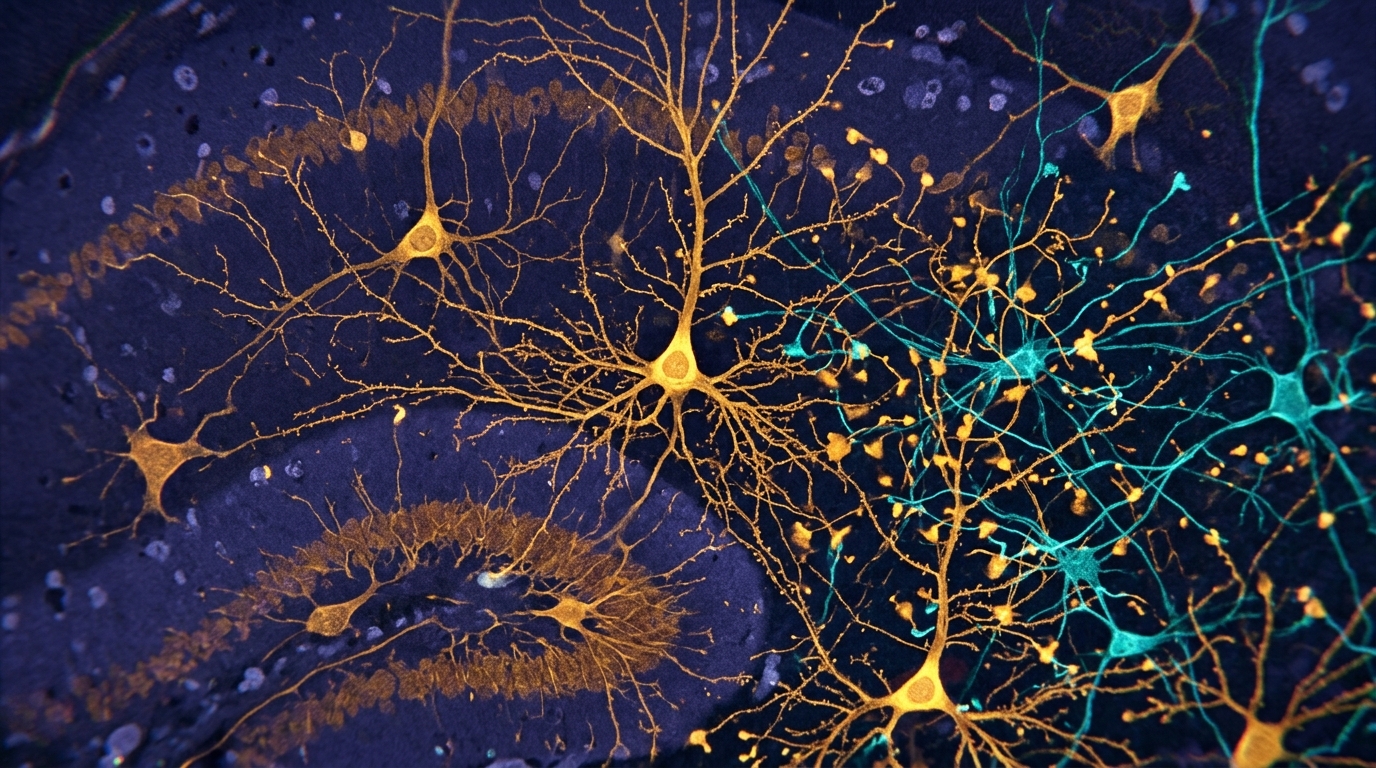
A peer-reviewed literature review published in Science China Life Sciences examines how the brain perceives emotion, how experience shapes emotional learning and memory, and how computational models decode emotional states from neural activity. Bringing together psychological theories, neural mechanisms, and decoding methods, the review synthesizes findings across emotion perception, emotional memory processes, and brain-based affective computing.
The review begins by evaluating major theoretical accounts of emotion, including basic emotion theories, dimensional models, and constructionist approaches. It analyzes sensory processing in vision and olfaction, noting that visual research addresses facial expressions, dynamic social signals, and neural pathways involved in threat processing. Research on olfaction addresses pleasantness, arousal, and the close links between odors, emotion, and memory, illustrating the diversity of emotion perception and ongoing scientific debates regarding how emotion is organized in the brain.
Addressing emotional learning and memory, the authors describe how initially neutral cues become associated with threat or reward, and how emotional experiences affect the retention and retrieval of information. The review details the roles of the amygdala, hippocampus, and prefrontal cortex, alongside neural processes of consolidation, reactivation, and updating, to explain how emotional memories form, persist, and change with subsequent experience.
The review also surveys advances in affective computing based on brain signals, focusing particularly on electroencephalography (EEG). It details signal features alongside machine learning and deep learning methods used to identify emotion, while evaluating persistent challenges involving emotion labels, individual differences, and generalization across contexts. The authors highlight that distinguishing the emotional properties of an external stimulus from a person’s subjective experience is essential for accurately interpreting computational model predictions.
Connecting emotion processing and affective computing through neural activity, the authors demonstrate how neuroscience can guide computational models and how quantitative predictions can inform psychological theory. The review highlights how naturalistic research, computational modeling, and neuromodulation could inform one another and support future applications in mental health and human–machine interaction.
Subject of Research: Neural mechanisms and computational decoding of human emotion
Article Title: How the brain perceives, learns and decodes emotion
Article References: How the brain perceives, learns and decodes emotion. Original publication (Bibliographic details unavailable.)
Image Credits: AI Generated
DOI: Not provided
Keywords: emotion perception, affective computing, neuroscience, electroencephalography, emotional memory, machine learning, neural decoding, cognitive psychology, brain, perceives, learns, decodes
News Source: Cassandra Pierce. (November 7, 2026). How the Brain Processes, Stores and Decodes Emotion Through Neural Signals. Scienmag.