• HOME
  • NEWS
  • EXPLORE
    • CAREER
      • Companies
      • Jobs
    • EVENTS
    • iGEM
      • News
      • Team
    • PHOTOS
    • VIDEO
    • WIKI
  • BLOG
  • COMMUNITY
    • FACEBOOK
    • INSTAGRAM
    • TWITTER
Saturday, November 7, 2026
BIOENGINEER.ORG
No Result
View All Result
  • Login
  • HOME
  • NEWS
  • EXPLORE
    • CAREER
      • Companies
      • Jobs
        • Lecturer
        • PhD Studentship
        • Postdoc
        • Research Assistant
    • EVENTS
    • iGEM
      • News
      • Team
    • PHOTOS
    • VIDEO
    • WIKI
  • BLOG
  • COMMUNITY
    • FACEBOOK
    • INSTAGRAM
    • TWITTER
No Result
View All Result
Bioengineer.org
No Result
View All Result
Home NEWS Science News Biology

Transcriptome Atlas Maps Cell Types Across Four Human Glands

by
November 7, 2026
in Biology
Reading Time: 2 mins read
0
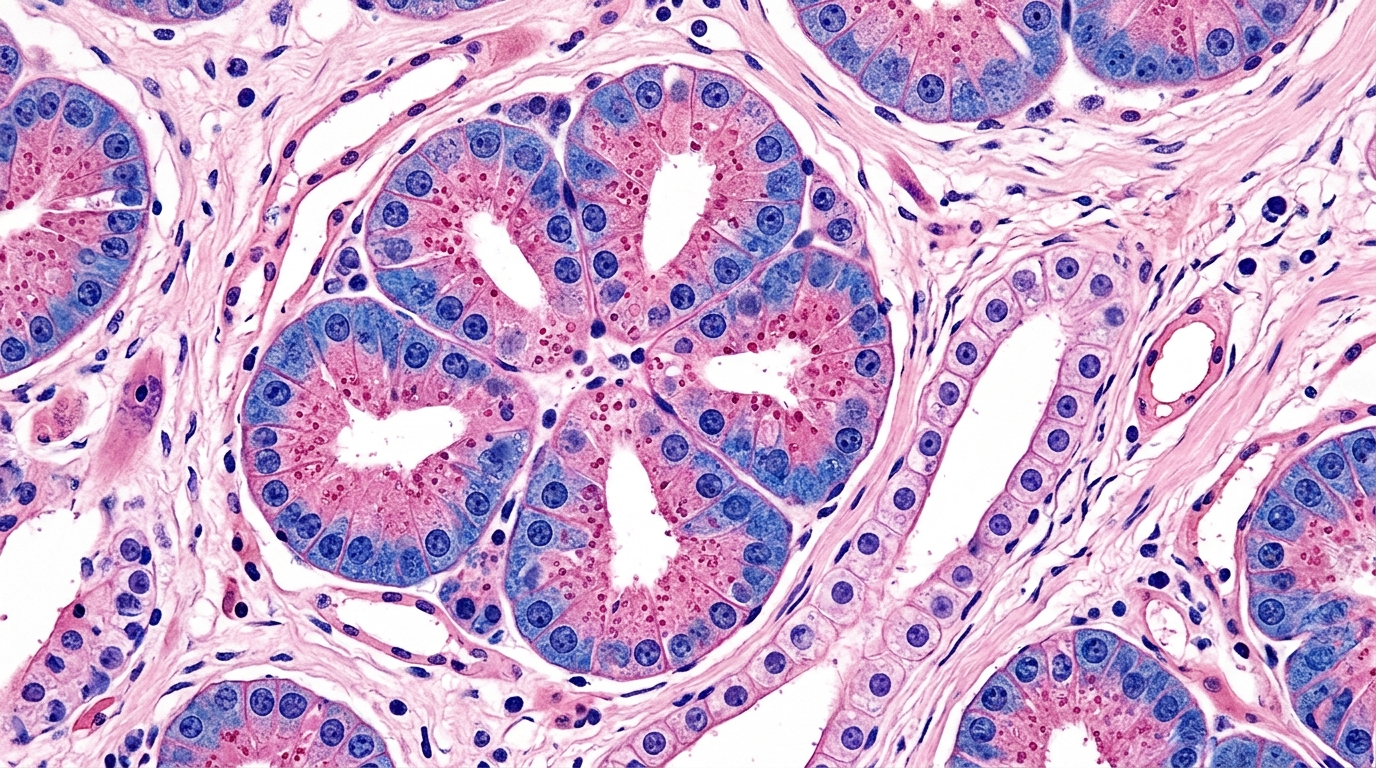
Transcriptome Atlas Maps Cell Types Across Four Human Glands

Transcriptome Atlas Maps Cell Types Across Four Human Glands

Share on FacebookShare on TwitterShare on LinkedinShare on RedditShare on Telegram

In a new study, researchers applied integrative network analysis to a dataset of over 1,400 bulk RNA sequencing samples from human pituitary, adrenal, thyroid, and minor salivary glands to predict genome-wide, cell type-enriched transcriptomes. Cross-gland analyses revealed core transcriptional similarities among functionally related cell types, such as neuroendocrine cells, while tissue subset analyses identified pituitary gonadotropes as the predominant site of sex-specific variation.

The human pituitary, adrenal, thyroid, and minor salivary glands maintain distinct yet interconnected roles across endocrine and exocrine regulation, contributing to systemic homeostasis, metabolism, stress response, and oral health. Identifying genes with cell type-specific expression is key for understanding physiology and pathophysiology, as these genes typically encode proteins essential for specialised functions. However, transcriptional characterisation at the single-cell level has remained relatively limited for these glands compared to other tissues.

Although single-cell RNA sequencing has facilitated the profiling of cell type-specific genes, challenges such as dissociation-induced artefacts, protocol-dependent cell loss, and data sparsity limit the analysis of certain cell types and lowly expressed genes. The resulting predictive atlas provides an additional resource for investigating human glandular function in health and disease.

Subject of Research: Transcriptomic characterisation of human endocrine and exocrine glands

Article Title: A cell type transcriptome atlas for human pituitary, adrenal, thyroid and minor salivary glands

Article References: Dusart, P., Struck, E., Zwahlen, M., von Feilitzen, K., Pontén, F., Lindskog, C., Odeberg, J., Uhlén, M., & Butler, L. M. (2026). A cell type transcriptome atlas for human pituitary, adrenal, thyroid and minor salivary glands. BMC Genomics, 27(1), Article 922. https://doi.org/10.1186/s12864-026-13514-z

Image Credits: AI Generated

DOI: 10.1186/s12864-026-13514-z

Keywords: transcriptomics, bulk RNA-seq, pituitary gland, adrenal gland, thyroid gland, minor salivary glands, neuroendocrine cells, gene expression, cell, type, transcriptome, atlas

News Source: Juliet Wilcox. (November 7, 2026). Transcriptome Atlas Maps Cell Types Across Four Human Glands. Scienmag.

Tags: adrenal glandAtlasbulk RNA-seqcellgene expressionminor salivary glandsneuroendocrine cellspituitary glandthyroid glandtranscriptomeTranscriptomicstype
Share12Tweet7Share2ShareShareShare1

Related Posts

Benzo[a]pyrene Disrupts Gene Expression Vital for Human GnRH Neuron Development

Benzo[a]pyrene Disrupts Gene Expression Vital for Human GnRH Neuron Development

November 7, 2026
First Complete Mitochondrial and Chloroplast Genomes Assembled for Crateva unilocularis

First Complete Mitochondrial and Chloroplast Genomes Assembled for Crateva unilocularis

November 7, 2026

Porcine Multi-Omics Profile Links Nonlinear Intestinal Development to Long-Term Metabolic Traits

November 7, 2026

Astrocyte Glutamate Uptake Shapes Fear Memory Expression and Reconsolidation in Male Rats

November 7, 2026

POPULAR NEWS

  • Lycopene Protects Chicken Testes Against Zearalenone Damage by Suppressing Necroptosis and Inflammation

    Lycopene Protects Chicken Testes Against Zearalenone Damage by Suppressing Necroptosis and Inflammation

    29 shares
    Share 12 Tweet 7
  • Finnish Experts Reach Consensus on Medication Documentation Standards

    29 shares
    Share 12 Tweet 7
  • Borderline Symptoms Predict Lower Empathy and Decreased Acceptance of Fair Offers

    29 shares
    Share 12 Tweet 7
  • Terminal Domains Drive Rice OsYchF1-OsGAP1 Complex Formation and Guide Modeling

    29 shares
    Share 12 Tweet 7

About

We bring you the latest biotechnology news from best research centers and universities around the world. Check our website.

Follow us

Recent News

Scientists Review Liver Abscess Risks and Emerging Treatments Following Pancreatic Surgery

Study Assesses Metabolic Syndrome Rates and Clinical Features in Gout Patients

Flexible PVC Composites Doped With WO3 and Brine Sludge Shield Radiation

Subscribe to Blog via Email

Enter your email address to subscribe to this blog and receive notifications of new posts by email.

Join 86 other subscribers
  • Contact Us

Bioengineer.org © Copyright 2023 All Rights Reserved.

Welcome Back!

Login to your account below

Forgotten Password?

Retrieve your password

Please enter your username or email address to reset your password.

Log In
No Result
View All Result
  • Homepages
    • Home Page 1
    • Home Page 2
  • News
  • National
  • Business
  • Health
  • Lifestyle
  • Science

Bioengineer.org © Copyright 2023 All Rights Reserved.