• HOME
  • NEWS
  • EXPLORE
    • CAREER
      • Companies
      • Jobs
    • EVENTS
    • iGEM
      • News
      • Team
    • PHOTOS
    • VIDEO
    • WIKI
  • BLOG
  • COMMUNITY
    • FACEBOOK
    • INSTAGRAM
    • TWITTER
Sunday, November 8, 2026
BIOENGINEER.ORG
No Result
View All Result
  • Login
  • HOME
  • NEWS
  • EXPLORE
    • CAREER
      • Companies
      • Jobs
        • Lecturer
        • PhD Studentship
        • Postdoc
        • Research Assistant
    • EVENTS
    • iGEM
      • News
      • Team
    • PHOTOS
    • VIDEO
    • WIKI
  • BLOG
  • COMMUNITY
    • FACEBOOK
    • INSTAGRAM
    • TWITTER
No Result
View All Result
Bioengineer.org
No Result
View All Result
Home NEWS Science News Health

Propolis and Dexpanthenol Alter Brain Gene Expression in Aged Mice

by
November 7, 2026
in Health
Reading Time: 2 mins read
0
Propolis and Dexpanthenol Alter Brain Gene Expression in Aged Mice

Propolis and Dexpanthenol Alter Brain Gene Expression in Aged Mice

Share on FacebookShare on TwitterShare on LinkedinShare on RedditShare on Telegram

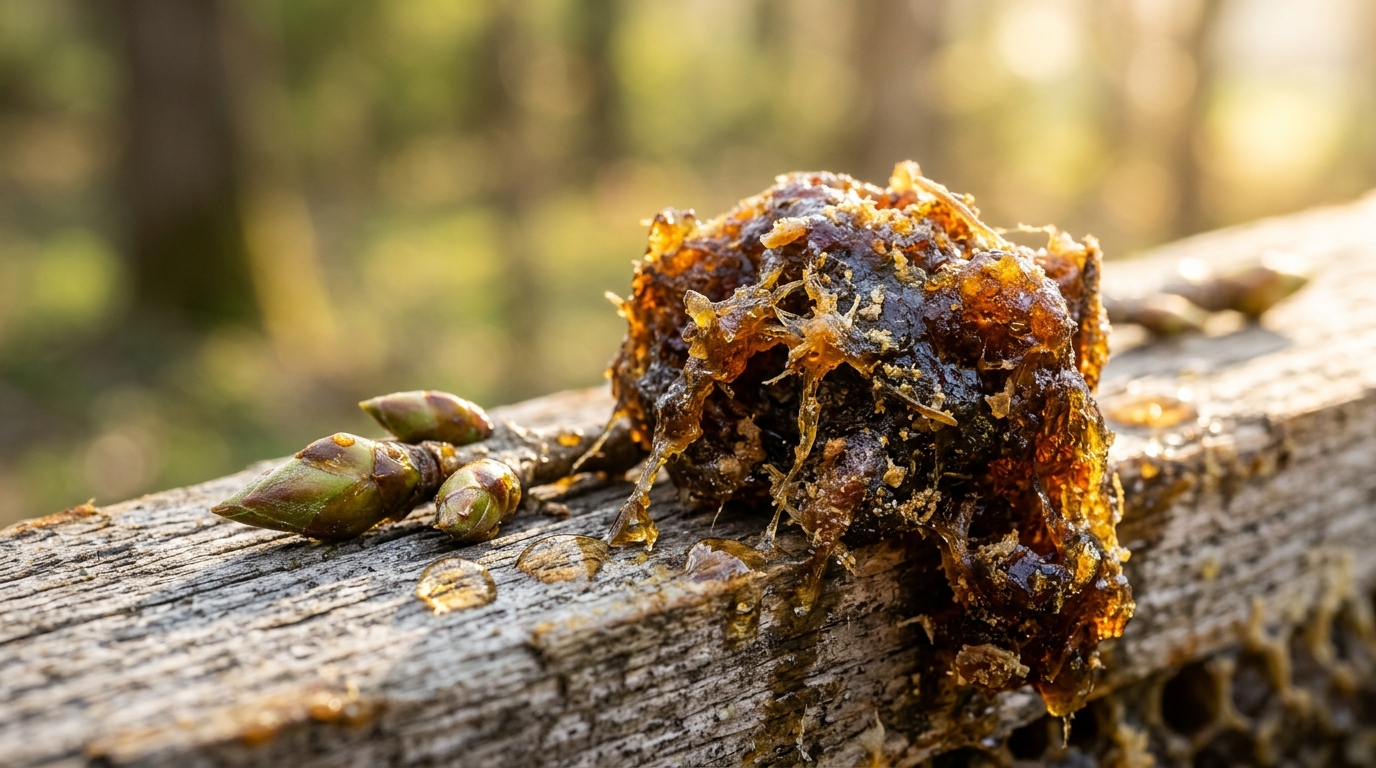
In naturally aged male mice, administration of propolis and dexpanthenol is associated with distinct, gene-specific transcriptional responses across brain inflammatory, cell-death, and cellular stress pathways rather than uniform shifts across examined genes. Researchers evaluated how these compounds, given individually or in combination, alter whole-brain gene expression in the context of natural aging.

The controlled study evaluated thirty-five male CD-1 mice that were randomly assigned to five cohorts of seven animals each: Young Control, Aged Control, Aged + Propolis, Aged + Dexpanthenol, and Aged + Propolis + Dexpanthenol. Propolis was administered at 200 mg/kg/day and dexpanthenol at 500 mg/kg/day over a 14-day intervention period.

Using quantitative real-time PCR, the researchers measured whole-brain mRNA expression levels of GSDMD, GSDME, GSDMC, TNF-α, IL-1β, HSP70, and HSP90. Natural aging in untreated controls was accompanied by marked decreases in TNF-α, IL-1β, and HSP70 expression, whereas baseline differences in GSDMD, GSDME, GSDMC, and HSP90 were not statistically significant after correction for multiple comparisons.

Individual treatments yielded contrasting molecular profiles relative to aged controls. Propolis reduced whole-brain mRNA expression of GSDME and IL-1β while elevating GSDMC expression. Dexpanthenol supplementation increased GSDMD and HSP70 expression, shifted TNF-α expression toward levels seen in the young-control group, and decreased HSP90 expression.

Co-administration of propolis and dexpanthenol generated a separate transcriptional pattern defined by pronounced increases in GSDMD, TNF-α, IL-1β, and HSP70 relative to aged controls. Because the investigation evaluated mRNA expression rather than protein activity, the observed gasdermin changes do not confirm functional pyroptosis, while the marked HSP70 upregulation suggests cellular stress adaptation and proteostasis may play roles in these treatment-related molecular responses.

Subject of Research: Brain gene expression profiles in aged mice treated with propolis and dexpanthenol

Article Title: Gasdermin, inflammatory, and heat-shock gene expression profiles in the naturally aged male mouse brain following propolis and dexpanthenol treatment

Article References: Åžahin, U. (2026). Gasdermin, inflammatory, and heat-shock gene expression profiles in the naturally aged male mouse brain following propolis and dexpanthenol treatment. Biogerontology, 27(6), Article 192. https://doi.org/10.1007/s10522-026-10539-5

Image Credits: AI Generated

DOI: 10.1007/s10522-026-10539-5

Keywords: Biogerontology, Aging, Propolis, Dexpanthenol, Gene Expression, Gasdermin, Heat-Shock Proteins, Mouse Study, inflammatory, heat-shock, gene, expression

News Source: Juliet Wilcox. (November 7, 2026). Propolis and Dexpanthenol Alter Brain Gene Expression in Aged Mice. Scienmag.


Tags: Agingbiogerontologydexpanthenolexpressiongasdermingenegene expressionheat shockheat shock proteinsinflammatorymouse studypropolis
Share12Tweet7Share2ShareShareShare1

Related Posts

SGLT2 Inhibitors Outperform DPP-4 Inhibitors in Safety for Super-Elderly Diabetic Patients

SGLT2 Inhibitors Outperform DPP-4 Inhibitors in Safety for Super-Elderly Diabetic Patients

November 8, 2026
International Workshop Explores AI Biomarkers and Equity in Breast Density Screening

International Workshop Explores AI Biomarkers and Equity in Breast Density Screening

November 8, 2026

Scoping Review Maps Post-Discharge Environmental Support Strategies for Frail Older Adults

November 8, 2026

Qualitative Study Compares Aging Experiences in Nursing Homes and Community Living

November 8, 2026

POPULAR NEWS

  • SGLT2 Inhibitors Outperform DPP-4 Inhibitors in Safety for Super-Elderly Diabetic Patients

    SGLT2 Inhibitors Outperform DPP-4 Inhibitors in Safety for Super-Elderly Diabetic Patients

    29 shares
    Share 12 Tweet 7
  • Eye surface microbes shift dramatically in neurotrophic keratitis patients

    29 shares
    Share 12 Tweet 7
  • International Workshop Explores AI Biomarkers and Equity in Breast Density Screening

    29 shares
    Share 12 Tweet 7
  • Fused silica quintic nonlinearity measured at femtosecond intensities

    29 shares
    Share 12 Tweet 7

About

We bring you the latest biotechnology news from best research centers and universities around the world. Check our website.

Follow us

Recent News

SGLT2 Inhibitors Outperform DPP-4 Inhibitors in Safety for Super-Elderly Diabetic Patients

Eye surface microbes shift dramatically in neurotrophic keratitis patients

International Workshop Explores AI Biomarkers and Equity in Breast Density Screening

Subscribe to Blog via Email

Enter your email address to subscribe to this blog and receive notifications of new posts by email.

Join 86 other subscribers
  • Contact Us

Bioengineer.org © Copyright 2023 All Rights Reserved.

Welcome Back!

Login to your account below

Forgotten Password?

Retrieve your password

Please enter your username or email address to reset your password.

Log In
No Result
View All Result
  • Homepages
    • Home Page 1
    • Home Page 2
  • News
  • National
  • Business
  • Health
  • Lifestyle
  • Science

Bioengineer.org © Copyright 2023 All Rights Reserved.