• HOME
  • NEWS
  • EXPLORE
    • CAREER
      • Companies
      • Jobs
    • EVENTS
    • iGEM
      • News
      • Team
    • PHOTOS
    • VIDEO
    • WIKI
  • BLOG
  • COMMUNITY
    • FACEBOOK
    • INSTAGRAM
    • TWITTER
Wednesday, November 18, 2026
BIOENGINEER.ORG
No Result
View All Result
  • Login
  • HOME
  • NEWS
  • EXPLORE
    • CAREER
      • Companies
      • Jobs
        • Lecturer
        • PhD Studentship
        • Postdoc
        • Research Assistant
    • EVENTS
    • iGEM
      • News
      • Team
    • PHOTOS
    • VIDEO
    • WIKI
  • BLOG
  • COMMUNITY
    • FACEBOOK
    • INSTAGRAM
    • TWITTER
No Result
View All Result
Bioengineer.org
No Result
View All Result
Home NEWS Science News Technology

Spirulina-Layered Hydroxide Nanobiostimulants Boost Early Development in Three Cereal Crops

by
November 6, 2026
in Technology
Reading Time: 2 mins read
0
Spirulina-Layered Hydroxide Nanobiostimulants Boost Early Development in Three Cereal Crops

Spirulina-Layered Hydroxide Nanobiostimulants Boost Early Development in Three Cereal Crops

Share on FacebookShare on TwitterShare on LinkedinShare on RedditShare on Telegram

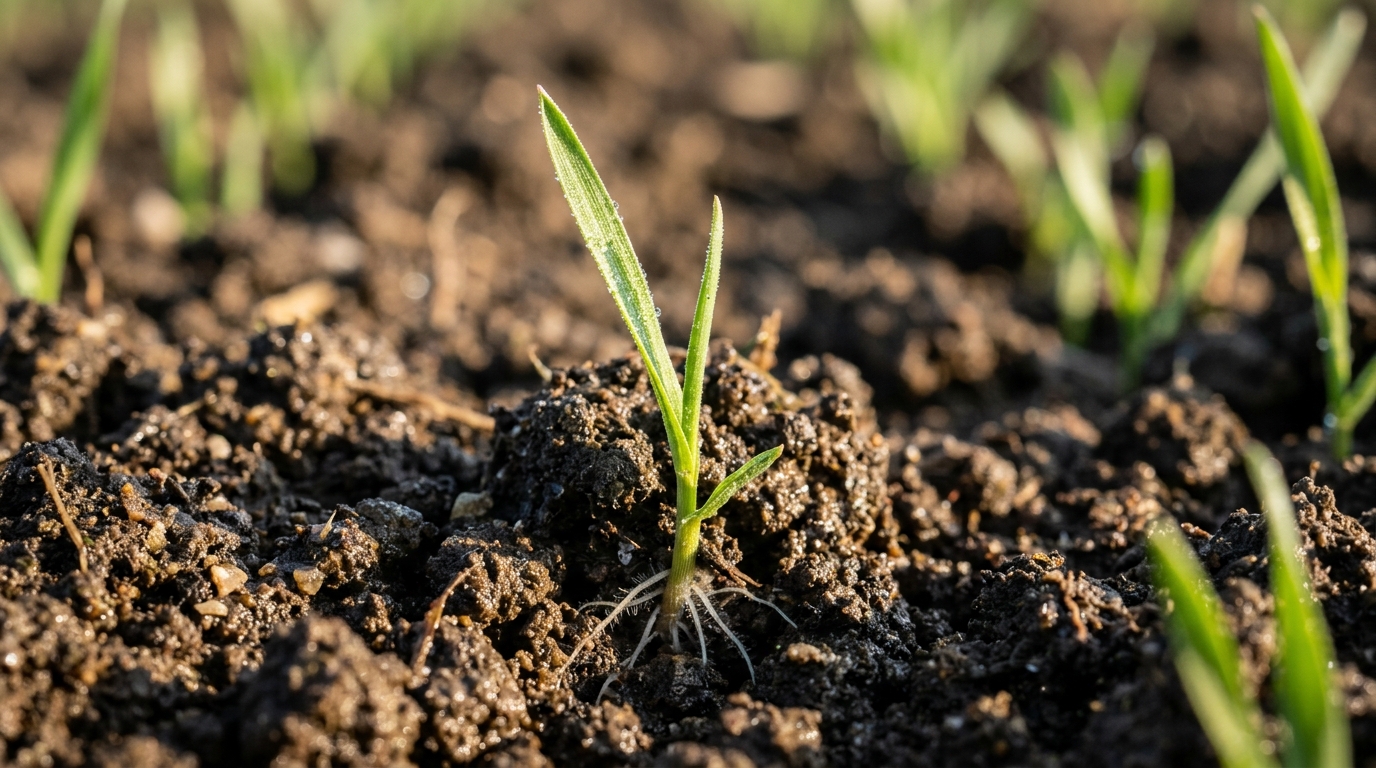
Nanobiocomposites synthesized from layered double hydroxides and microalgae hydrolysate significantly stimulated early root and shoot development in cereal seedlings, according to findings published in a brief report in the Journal of Nanoparticle Research. In experimental trials, specific application concentrations achieved root and shoot growth gains ranging between 15 and 45 percent, depending on the cereal species evaluated.

The study evaluated two distinct nanobiocomposite formulations based on nanoparticle layered double hydroxides (LDH) composed of magnesium–aluminum or zinc–aluminum. These nanostructured materials were hybridized with an Arthrospira platensis hydrolysate. As detailed in the report, nanobiocomposites are materials applicable to biological systems consisting of two or more phases, with at least one phase at the nanoscale to promote a larger specific surface area and closer interactions between components.

Researchers investigated the biological activity of these formulations across three cereal species: Zea mays, Hordeum vulgare, and Triticum aestivum. In vitro tests were initially conducted to determine the optimal concentrations of the nanobiocomposites for plant development. The observed growth response trends were subsequently confirmed in ex vitro trials across the tested cereals.

Concentrations of 600 and 1000 ppm (mg L⁻¹) generally promoted the greatest root and shoot extension. While high germination rates were recorded across all experimental treatments in all three cereal crops, the most pronounced differences appeared in the speed and efficiency of the germination process. The authors attributed this positive effect on root and shoot length to the A. platensis hydrolysate, noting a concentration-dependent response consistent with a possible hormetic-like effect.

The authors concluded that these hybrid biocomposites could serve as nanobiostimulants for conventional agricultural practices once field testing is conducted. Furthermore, the report noted that toxicological testing can be completed before applying the materials to regular food crops.

Subject of Research: Nanobiostimulant effects on cereal germination and early seedling development

Article Title: Spirulina-based layered double hydroxide nanobiostimulants enhance germination and early seedling growth in cereal crops

Article References: Viramontes Márquez, J. P., Carbajal Arizaga, G. G., & Rout, N. P. (2026). Spirulina-based layered double hydroxide nanobiostimulants enhance germination and early seedling growth in cereal crops. Journal of Nanoparticle Research, 28(11), Article 285. https://doi.org/10.1007/s11051-026-06805-9

Image Credits: AI Generated

DOI: 10.1007/s11051-026-06805-9

Keywords: nanobiostimulants, layered double hydroxides, Arthrospira platensis, Zea mays, Hordeum vulgare, Triticum aestivum, seed germination, seedling growth, Spirulina-based, layered, double, hydroxide

News Source: Denise Maddox. (November 6, 2026). Spirulina-Layered Hydroxide Nanobiostimulants Boost Early Development in Three Cereal Crops. Scienmag.


Tags: Arthrospira platensisdoubleHordeum vulgarehydroxideLayeredlayered double hydroxidesnanobiostimulantsSeed germinationseedling growthSpirulina-basedTriticum aestivumZea mays
Share12Tweet7Share2ShareShareShare1

Related Posts

Social Force Guided Neural Network Improves Pedestrian Trajectory Predictions in Tests

Social Force Guided Neural Network Improves Pedestrian Trajectory Predictions in Tests

November 18, 2026
Simulated Grey Wolf Optimization Cuts Rehabilitation Robot Tracking Error by 55 Percent

Simulated Grey Wolf Optimization Cuts Rehabilitation Robot Tracking Error by 55 Percent

November 18, 2026

Calibrated Drucker-Prager Model Accurately Predicts Robotic Apple Harvesting Forces

November 18, 2026

In Situ BiOIO3 Nanosheets Double Piezoelectric Performance of PVDF Composites

November 18, 2026

POPULAR NEWS

  • Elite Luge Athletes Experience Seasonal Shifts in Body Composition and Biomarkers

    Elite Luge Athletes Experience Seasonal Shifts in Body Composition and Biomarkers

    29 shares
    Share 12 Tweet 7
  • Olive Oil Supplementation Remodels Plasma Lipids and Metabolites in Aged Tauopathy Mice

    29 shares
    Share 12 Tweet 7
  • Mitophagy Inhibitor Ac220 Enhances Magnolol Antitumor Action in Ewing Sarcoma

    29 shares
    Share 12 Tweet 7
  • Systematic Review Finds Long-Term Data Scarce for Chronic Neuropathic Pain Treatments

    29 shares
    Share 12 Tweet 7

About

We bring you the latest biotechnology news from best research centers and universities around the world. Check our website.

Follow us

Recent News

Social Force Guided Neural Network Improves Pedestrian Trajectory Predictions in Tests

Simulated Grey Wolf Optimization Cuts Rehabilitation Robot Tracking Error by 55 Percent

Calibrated Drucker-Prager Model Accurately Predicts Robotic Apple Harvesting Forces

Subscribe to Blog via Email

Enter your email address to subscribe to this blog and receive notifications of new posts by email.

Join 88 other subscribers
  • Contact Us

Bioengineer.org © Copyright 2023 All Rights Reserved.

Welcome Back!

Login to your account below

Forgotten Password?

Retrieve your password

Please enter your username or email address to reset your password.

Log In
No Result
View All Result
  • Homepages
    • Home Page 1
    • Home Page 2
  • News
  • National
  • Business
  • Health
  • Lifestyle
  • Science

Bioengineer.org © Copyright 2023 All Rights Reserved.