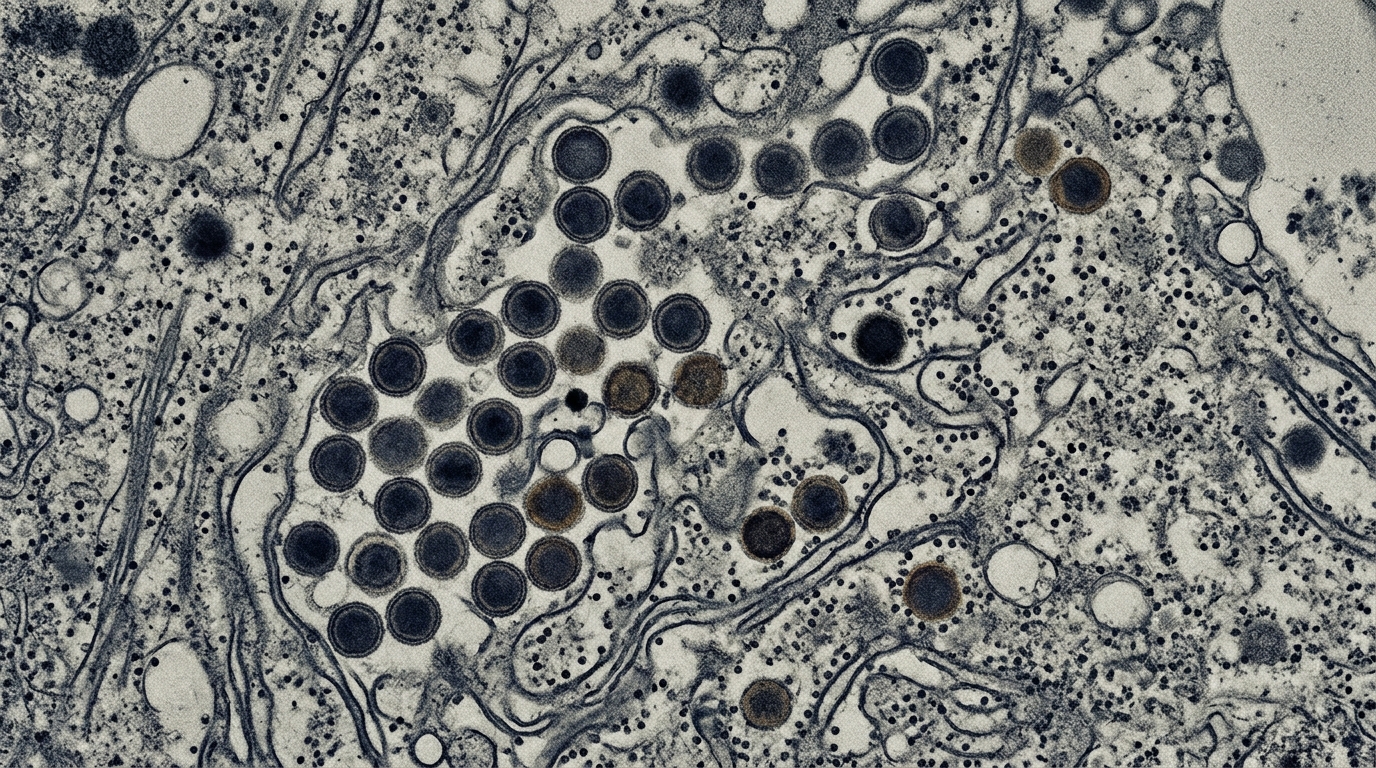
A comprehensive narrative review published in Basic and Clinical Andrology synthesizes ten years of global biomedical evidence regarding the impact of Zika virus on male reproductive physiology and fertility care. Authored by Ayaz Khan, Michael George, Ian Pearce, Vaibhav Modgil, and Theodora Stasinou, the paper evaluates literature spanning 2015 to 2025 to provide updated guidance for andrologists and reproductive medicine specialists. Zika virus is a mosquito-borne flavivirus that gained global prominence during the widespread 2015 to 2016 epidemic across Central and South America. Although acute emergency declarations have subsided, the review demonstrates that the pathogen remains a persistent reproductive concern as transmission has transitioned into low-level endemic circulation. Unlike most arboviruses, Zika virus exhibits capacity for sexual transmission. Its ribonucleic acid persists in human semen well beyond systemic symptom clearance, presenting documented hazards for sexual partners, natural pregnancy planning, and assisted reproductive technologies.
Epidemiological tracking summarized in the review illustrates how transmission patterns have evolved since the 2015 to 2016 outbreak, during which more than 800,000 suspected and confirmed cases occurred throughout the Americas, predominantly concentrated in Brazil. Between 2019 and 2023, regional surveillance recorded annual totals fluctuating between approximately 30,000 and over 55,000 cases across the Americas, driven by seasonal precipitation and Aedes aegypti mosquito breeding cycles. Southeast Asia remains an ongoing source of endemic transmission, with Thailand frequently identified in travel-acquired infections. In non-endemic territories such as Europe and the United Kingdom, public health surveillance continues to identify sporadic imported diagnoses among travellers returning from endemic areas. During the first half of 2025, health authorities in England recorded several imported cases linked predominantly to Southeast Asian travel. Public health agencies, including the United States Centers for Disease Control and Prevention and the World Health Organization, advise clinicians to evaluate exposure risks in patients with travel to endemic zones.
To establish their synthesis, the authors utilized a structured literature search targeting publications indexed between 2015 and 2025 across biomedical databases and authoritative health agency repositories. Electronic searches were performed primarily through PubMed and supplemented by reviews of official documentation from the World Health Organization, Pan American Health Organization, European Centre for Disease Prevention and Control, United Kingdom Health Security Agency, and the Centers for Disease Control and Prevention. Search queries incorporated foundational clinical terms including Zika virus, male reproductive health, andrology, fertility, and assisted reproduction, combined with biological parameters such as semen, testosterone, spermatogenesis, and sexual transmission. Boolean operators integrated operational modifiers including epidemiology and clinical guidance. Studies were organized narratively into themes addressing epidemiology, testicular persistence mechanisms, seminal shedding dynamics, and reproductive medicine implications. The authors note that their methodology represents a narrative rather than a systematic review, omitting formal quantitative meta-analysis and risk-of-bias grading.
Mechanistic findings described in the review indicate that Zika virus establishes long-term persistence by targeting immune-privileged tissues within the male reproductive system. The mammalian testis maintains local immune suppression to protect maturing germ cells, utilizing specialized testicular macrophages and paracrine signaling pathways that restrain inflammatory tissue responses. Experimental evidence reveals that Zika virus co-opts this environment by infecting Sertoli cells, Leydig cells, and germ cells. Sertoli cells maintain the blood-testis barrier through tight intercellular junctions and support spermatogenesis. Upon infection, Sertoli cells permit viral replication, release inflammatory mediators, and experience junctional breakdown that damages the blood-testis barrier, enabling intratubular viral penetration. In addition, experimental investigations demonstrate that viral infection of Leydig cells suppresses testosterone production. Specifically, the viral non-structural protein NS2A interferes with the translation of CYP17A1, an enzyme critical for steroid hormone synthesis, impairing systemic testosterone biosynthesis and disturbing the endocrine regulation required for ongoing spermatogenesis.
Viral immune evasion further promotes prolonged persistence across multiple male reproductive tract structures. At the molecular level, Zika virus non-structural proteins actively antagonize host innate defenses by blunting type I interferon signaling pathways and suppressing mitochondrial antiviral cascades. In the naturally immunotolerant microenvironment of the testes, these viral counter-measures blunt local immune surveillance, permitting viral components to endure long after systemic clinical signs resolve. Biological investigations confirm that Zika virus localizes across the testes, epididymis, seminal vesicles, and prostate gland, with viral ribonucleic acid detectable in both seminal plasma and cellular fractions. This widespread reproductive tract tropism results in extended seminal shedding compared with clearance rates observed in blood or urine. The resulting reservoir dynamics explain why Zika virus demonstrates a distinct transmission profile among arboviruses, remaining capable of sexual transmission when circulating systemic viral loads have fallen below the limits of analytical detection.
Clinical cohort data synthesize the temporal dynamics of viral shedding in human semen, outlining both typical duration and extreme outliers. Evidence reviewed from Pley and colleagues estimated a median seminal ribonucleic acid persistence of 57 days, with the ninety-fifth percentile reaching three to four months. A large multicentre prospective cohort demonstrated that while most men cleared viral ribonucleic acid within three months, detection extended up to six months in rare participants. Prospective studies from Puerto Rico demonstrated a mean seminal clearance time of 54 days, while other published cohorts documented detection exceeding 80 days in select cases. Individual case reports have identified intermittent viral ribonucleic acid detection beyond 180 days. Shedding follows a biphasic trajectory: an initial high-load period during the first 30 to 45 days post-onset representing peak infectivity, followed by prolonged low-level, intermittent ribonucleic acid detection in a smaller subset of convalescent men.
The review emphasizes a critical clinical distinction between viral ribonucleic acid detection and true infectious potential. While reverse-transcription polymerase chain reaction assays remain sensitive for months, viral culture studies rarely isolate replication-competent Zika virus beyond four to six weeks following symptom onset. Multicentre cohort evaluations failed to recover infectious virions from specimens testing positive for ribonucleic acid several months after infection. This divergence reveals that positive polymerase chain reaction signals during late convalescence largely reflect inactive genetic fragments rather than transmissible virus. Furthermore, routine semen polymerase chain reaction testing is not widely recommended due to practical obstacles, including assay inhibitors in seminal plasma, sampling variability, and the inability of molecular tests to verify infectivity. Consequently, international clinical protocols prioritize risk stratification based on detailed travel and exposure histories rather than relying on one-off semen molecular testing, which carries potential risks of false assurance or misleading clinical decisions.
Observational human studies identify transient declines in semen parameters during and following acute infection, including reductions in sperm concentration and progressive motility, alongside elevated sperm deoxyribonucleic acid fragmentation. These alterations stem from blood-testis barrier disruption, subclinical inflammatory damage, and transiently impaired steroidogenesis. In most human cohorts, semen parameters recover within several months, although available clinical investigations remain constrained by small sample sizes and brief follow-up periods that preclude definitive conclusions regarding long-term fertility. In contrast, animal studies demonstrate more severe outcomes. Murine models reveal sustained testicular atrophy, destruction of seminiferous architecture, chronic testosterone suppression, and persistent subfertility long after systemic clearance. Non-human primate research similarly confirms testicular inflammation and prolonged seminal shedding. Although animal findings cannot be directly extrapolated to human clinical endpoints, they demonstrate biological plausibility for testicular injury and highlight the need for continued observation among men experiencing post-exposure subfertility.
Preconception counselling forms the cornerstone of clinical risk management due to the grave fetal consequences associated with gestational infection. Maternal infection also increases risks of spontaneous abortion, fetal demise, and preterm birth, while adult infection carries risks of Guillain-Barré syndrome. Although most infected women remain asymptomatic or manifest mild, self-limiting symptoms such as rash, low-grade fever, conjunctivitis, arthralgia, and malaise, fetal risks necessitate strict preventive intervals. World Health Organization guidance recommends a three-month deferral from natural or assisted conception for men with confirmed or suspected exposure, and a two-month deferral for women following symptom onset or their latest possible exposure. During deferral periods, couples are advised to practice consistent condom use or sexual abstinence to prevent transmission.
In assisted reproductive technology, gamete handling and cryopreservation demand rigorous laboratory precautions because freezing does not reliably inactivate flaviviruses, allowing viral ribonucleic acid or infectious virions to survive storage. Unlike human immunodeficiency virus management, where standardized sperm-washing protocols reliably eliminate transmission risk, no processing method has proven consistently effective at removing Zika virus from semen specimens. Best practice recommendations require closed-system cryostorage, careful sample segregation, and documented informed consent. In urgent fertility preservation settings, such as pre-chemotherapy oncofertility, clinicians must weigh treatment timelines against exposure risks, deferring freezing until outside early convalescence whenever feasible. Moving forward, the authors call for optimized diagnostic techniques, novel activity surrogates predicting infectivity, and large prospective multicentre cohort studies tracking semen parameters and pregnancy outcomes. Acknowledging narrative limitations and reliance on animal mechanistic data, the review provides an evidence-based framework enabling clinicians to safeguard reproductive care while supporting patients in achieving safe conception.
Subject of Research: Zika virus persistence in testicular tissue and male reproductive health
Article Title: Zika virus and male reproductive health: essential updates for andrologists and fertility specialists
Article References: Khan, A., George, M., Pearce, I., Modgil, V., & Stasinou, T. (2026). Zika virus and male reproductive health: essential updates for andrologists and fertility specialists. Basic and Clinical Andrology, 36(1), Article 7. https://doi.org/10.1186/s12610-026-00305-5
Image Credits: AI Generated
DOI: 10.1186/s12610-026-00305-5
Keywords: Zika virus, male reproductive health, andrology, semen quality, assisted reproductive techniques, blood-testis barrier, viral persistence, cryopreservation, Zika, virus, male, reproductive
News Source: Kristina Jarvis. (November 6, 2026). Zika Virus Semen Persistence and Reproductive Risks Examined in New Clinical Review. Scienmag.