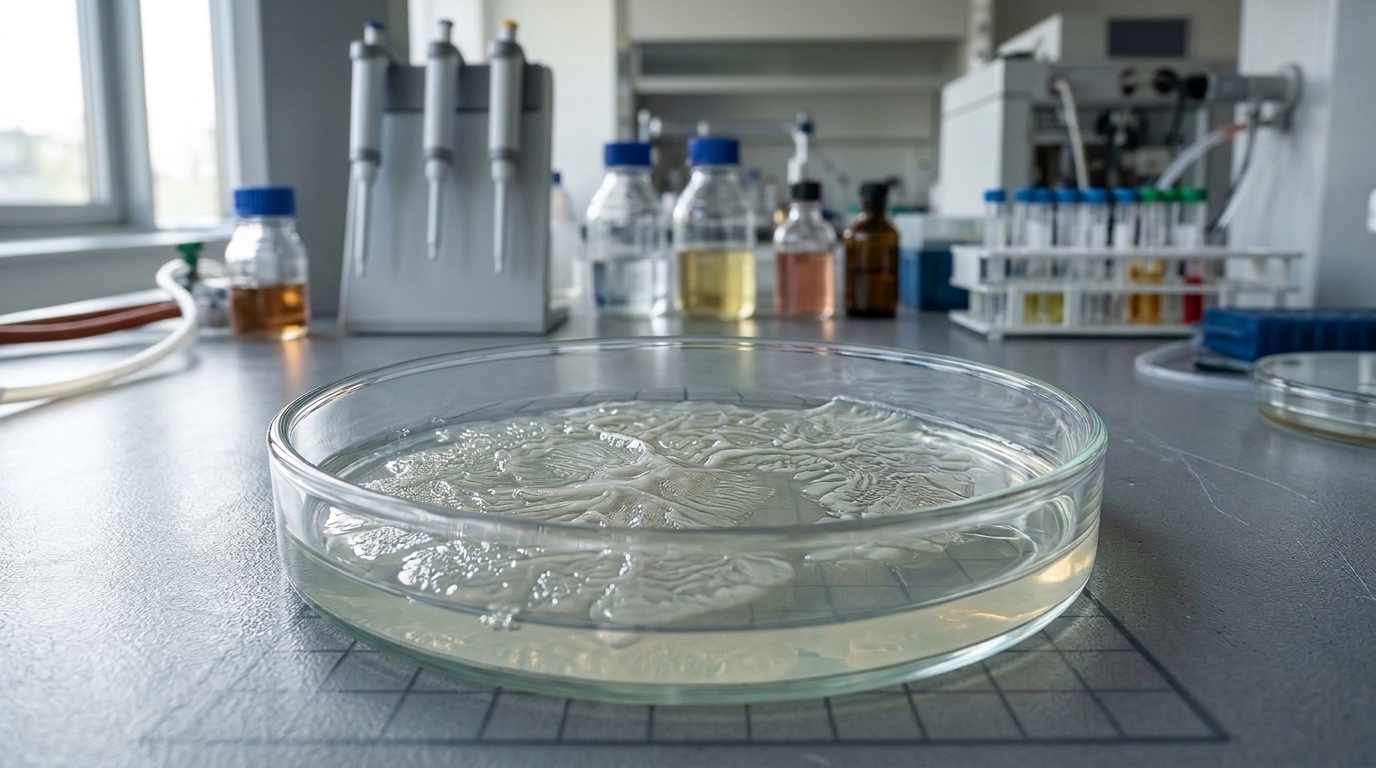
Biofilm formation plays a major role in bacterial persistence across clinical and environmental settings, with particular significance in chronic infections. Achromobacter species are environment-borne emerging opportunistic pathogens increasingly recognized in biofilm-associated diseases. A scoping review following the Preferred Reporting Items for Systematic Reviews and Meta-Analyses extension for Scoping Reviews guidelines has now summarized the evidence on the prevalence and determinants of biofilm formation in this genus and examined the antibiofilm effects of various strategies.
The researchers conducted a comprehensive search of the PubMed-MEDLINE database from inception to June 2026 using the terms “Achromobacter” AND “biofilm”. Of 124 records identified, 79 studies were included in the final analysis. The evidence base spans in vitro, ex vivo, and in vivo models, which have yielded complementary but sometimes conflicting results, underscoring the need for standardized protocols.
Data interpretation was challenged by methodological heterogeneity and variable confidence in species identification across the included studies. Despite these limitations, the overall picture is consistent: biofilm formation appears to be widespread in Achromobacter. Statistical analyses of results from comparable studies showed that biofilm-forming capacity is independent of the clinical origin of the isolates, meaning that isolates from people with cystic fibrosis and those without it form biofilms at similar rates.
Species identity, however, does matter. Achromobacter xylosoxidans, the most commonly isolated species in human infections, displays a higher prevalence of biofilm-producing isolates than other species in the genus. The review also found that biofilm formation may vary over time during chronic colonization or environmental persistence, probably reflecting distinct selective pressures acting on the bacteria in these different contexts.
Among the determinants of biofilm behavior, polymicrobial environments stand out as hotspots of biotic interactions. In these settings, Achromobacter species can affect the biofilm formation of other pathogens, including Pseudomonas aeruginosa, a major opportunistic pathogen in its own right. This interplay suggests that Achromobacter may influence the course of mixed infections not only through its own persistence but also by reshaping the biofilm architecture of coexisting microbes.
On the therapeutic side, the review indicates that combating Achromobacter biofilm can rely on antibiotics, particularly carbapenems, trimethoprim-sulfamethoxazole, and cefiderocol. These agents showed antibiofilm effects in the compiled evidence, offering clinicians and researchers a starting point for targeting the biofilm mode of growth that helps these bacteria persist during chronic infection.
Beyond conventional antibiotics, some non-antibiotic approaches also show promising experimental antibiofilm activity against Achromobacter. The review frames these as experimental findings rather than established clinical tools, reflecting the early stage of development for most non-antibiotic strategies in this field.
The methodological diversity documented across the 79 studies is itself a key finding. Because in vitro, ex vivo, and in vivo models sometimes produce conflicting results, the authors emphasize that standardized protocols are needed before the field can draw firm quantitative conclusions about biofilm prevalence, determinants, and treatment responses across the genus.
By mapping the prevalence, determinants, and antibiofilm options for Achromobacter in a single evidence synthesis, the review provides a foundation for future studies aimed at controlling biofilm-associated disease caused by these emerging opportunistic pathogens, while highlighting the open questions that remain around species-level identification and model standardization.
Subject of Research: Biofilm formation and antibiofilm strategies in the Achromobacter genus
Article Title: Biofilm formation and antibiofilm strategies in the Achromobacter genus: a scoping review
Article References: Jean-Pierre, V., Jumas-Bilak, E., Lavigne, J.-P., & Marchandin, H. (2026). Biofilm formation and antibiofilm strategies in the Achromobacter genus: a scoping review. Frontiers in Cellular and Infection Microbiology, 16, Article 1942991. https://doi.org/10.3389/fcimb.2026.1942991
Image Credits: AI Generated
DOI: 10.3389/fcimb.2026.1942991
Keywords: Achromobacter, biofilm, scoping review, cystic fibrosis, Achromobacter xylosoxidans, Pseudomonas aeruginosa, carbapenems, trimethoprim-sulfamethoxazole, cefiderocol, antibiofilm strategies, opportunistic pathogens, chronic infections
News Source: Ophelia Keating. (November 5, 2026). Achromobacter biofilms: scoping review maps widespread formation and antibiofilm strategies. Scienmag.