

• HOME
  • NEWS
  • EXPLORE
    • CAREER
      • Companies
      • Jobs
    • EVENTS
    • iGEM
      • News
      • Team
    • PHOTOS
    • VIDEO
    • WIKI
  • BLOG
  • COMMUNITY
    • FACEBOOK
    • INSTAGRAM
    • TWITTER
Wednesday, September 2, 2026
BIOENGINEER.ORG
No Result
View All Result
  • Login
  • HOME
  • NEWS
  • EXPLORE
    • CAREER
      • Companies
      • Jobs
        • Lecturer
        • PhD Studentship
        • Postdoc
        • Research Assistant
    • EVENTS
    • iGEM
      • News
      • Team
    • PHOTOS
    • VIDEO
    • WIKI
  • BLOG
  • COMMUNITY
    • FACEBOOK
    • INSTAGRAM
    • TWITTER
  • HOME
  • NEWS
  • EXPLORE
    • CAREER
      • Companies
      • Jobs
        • Lecturer
        • PhD Studentship
        • Postdoc
        • Research Assistant
    • EVENTS
    • iGEM
      • News
      • Team
    • PHOTOS
    • VIDEO
    • WIKI
  • BLOG
  • COMMUNITY
    • FACEBOOK
    • INSTAGRAM
    • TWITTER
No Result
View All Result
Bioengineer.org
No Result
View All Result
Home NEWS Science News

Scientists identify promising new approach for immune system defense against cancer

Bioengineer by Bioengineer
December 11, 2017
in Science News
Reading Time: 2 mins read
0
Share on FacebookShare on TwitterShare on LinkedinShare on RedditShare on Telegram
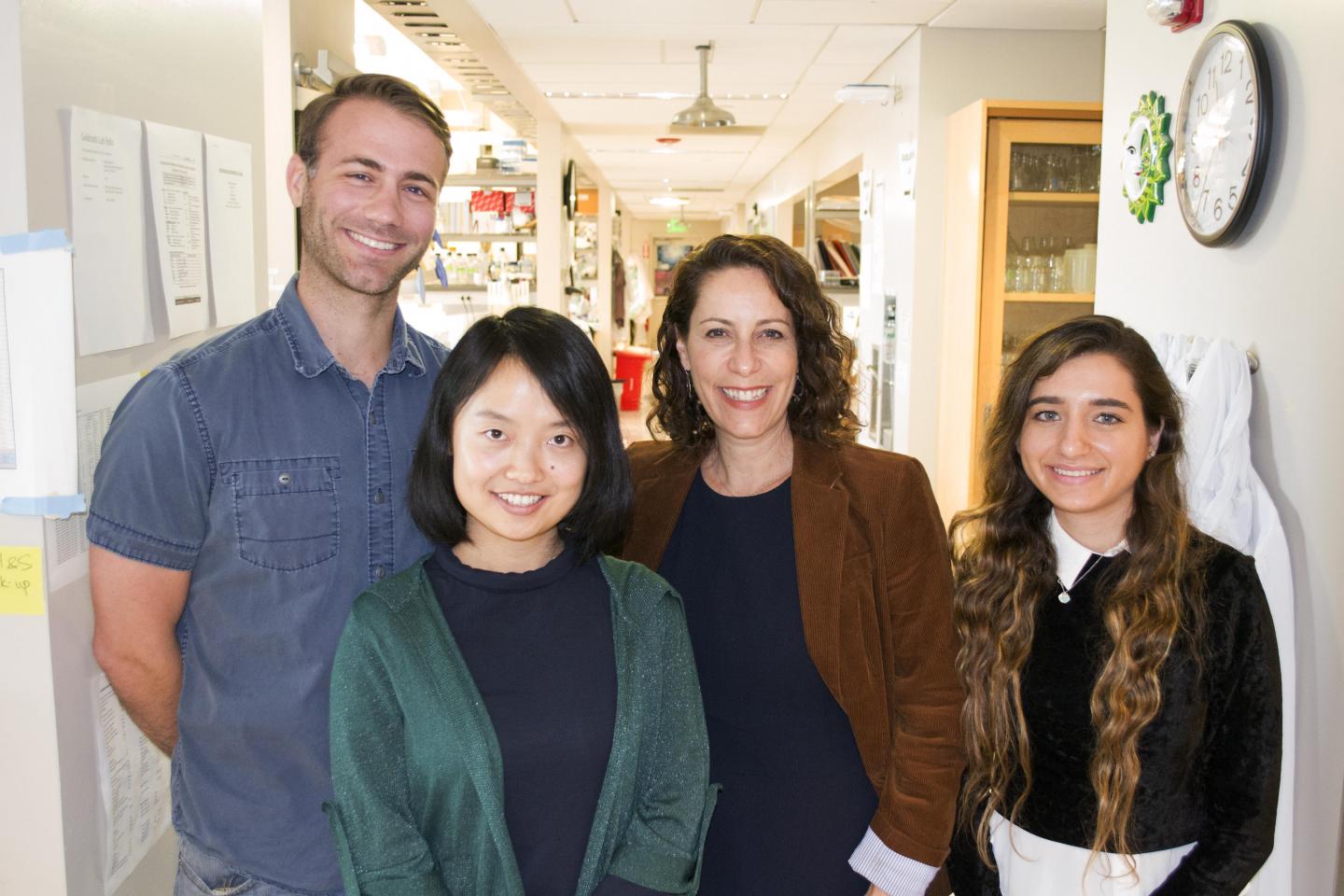
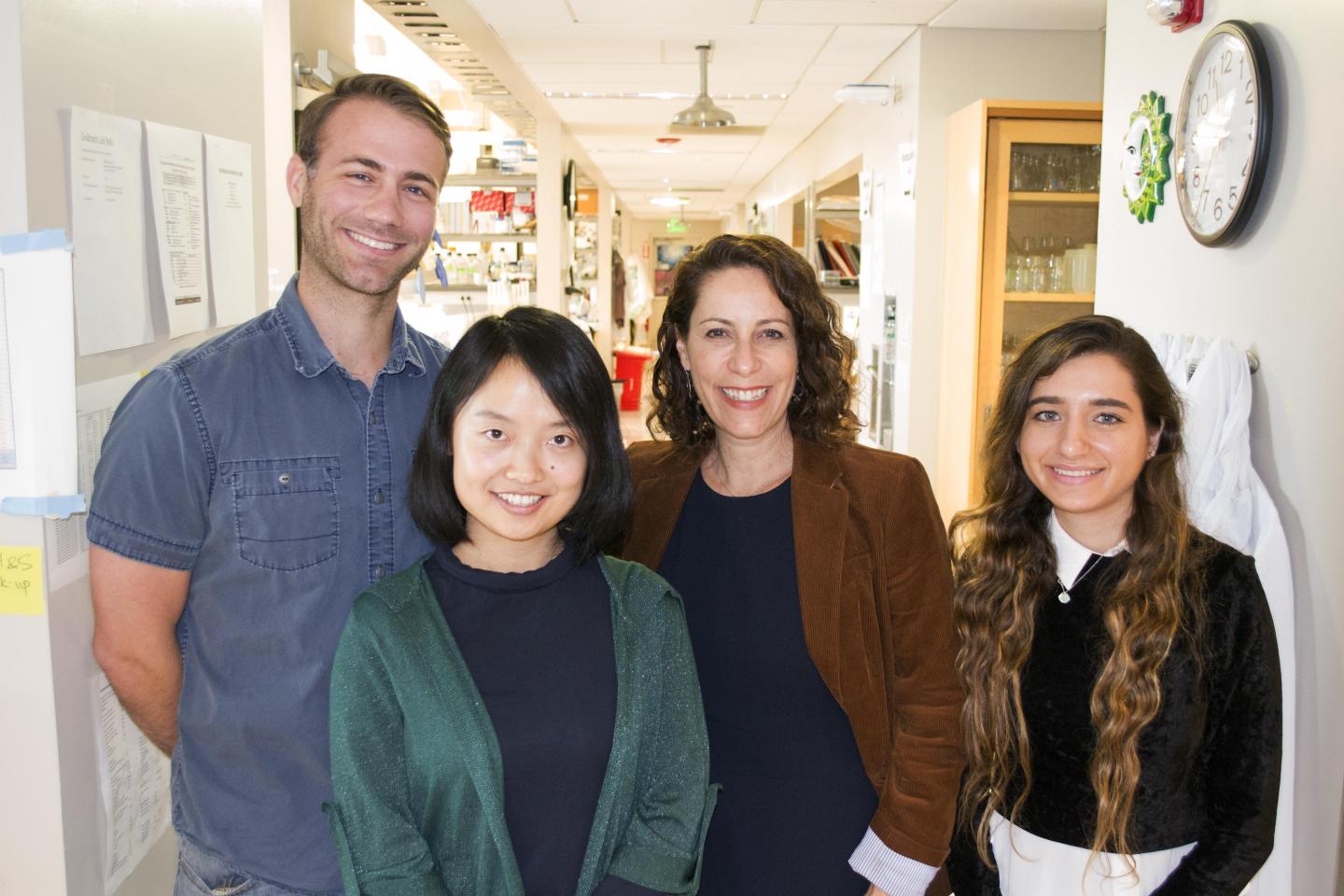
IMAGE

Credit: UC San Diego

Looking to bolster the body's immune system in the fight against infection and cancer, researchers at the University of California San Diego and their colleagues have identified a promising new strategy to program the immune system to meet the pathogen or malignancy in the tissues where they first pose a threat.

A multidisciplinary team led by Justin Milner, a postdoctoral researcher in molecular biologist Ananda Goldrath's laboratory, uncovered a novel function for a protein known as "Runx3" that is key to the development of killer T cells–immune cells important for fighting infections and cancer. The researchers discovered similarities shared by T cells in infected tissues and tumors, and leveraged this finding to enhance killer T cell abundance in tumors, which was driven by Runx3.

Their study is published in the Dec. 14 edition of the journal Nature.

"At this time, we are seeing great promise in treating cancer stemming from approaches that exploit the immune system to target tumor cells and our work describes a new tool for directing the immune system into the right place where it can do its job," said Goldrath, the chair of the Section of Molecular Biology in the Division of Biological Sciences.

Runx3 has been known for its contributions to immune cell development but the researchers found a new therapeutic role for it. Their research in mice demonstrated Runx3 could program killer T cells to locate to and persist in infected tissues or tumors, helping to eradicate infections or slow growth of malignancies.

"We uncovered an unappreciated function for this molecule in setting up a frontline of defense in tissues throughout the body," said Goldrath. "It's really a repurposing of a protein used in development to regulate the functional properties of the immune system."

The researchers believe Runx3, if properly directed, could be combined with other approaches to help T cells recognize and destroy tumor cells and enhance vaccine efficacy.

###

The collaborative project spearheaded with Matthew Pipkin at The Scripps Research Institute (Florida) included undergraduates, graduate students, postdoctoral researchers as well as long- standing collaborative efforts with Shane Crotty at the La Jolla Institute for Allergy and Immunology and Wei Wang in UC San Diego's Departments of Chemistry and Biochemistry and Cellular and Molecular Medicine.

Other coauthors of the study included Clara Toma, Bingfei Yu, Kai Zhang, Kyla Omilusik, Anthony Phan, Dapeng Wang, Adam Getzler and Toan Nguyen.

Media Contact

Mario Aguilera
[email protected]
858-822-5148
@UCSanDiego

http://www.ucsd.edu

Original Source

http://ucsdnews.ucsd.edu/pressrelease/scientists-identify-promising-new-approach-for-immune-system-defense http://dx.doi.org/10.1038/nature24993


Share18Tweet8Share2ShareShareShare2

Related Posts

β-Sitosterol from Ipomoea carnea Jacq. As a promising anti-inflammatory agent: Evidence from in silico modeling and in vitro validation

β-Sitosterol from Ipomoea carnea Jacq. As a promising anti-inflammatory agent: Evidence from in silico modeling and in vitro validation

August 31, 2026
Design, fabrication and characterization of a wearable Fiber Bragg grating sensor for cardiorespiratory monitoring using finger plethysmography

Design, fabrication and characterization of a wearable Fiber Bragg grating sensor for cardiorespiratory monitoring using finger plethysmography

August 31, 2026

KAIST opens the era of industrial-scale microbial foods, proposing growth strategies for the next-generation protein market

August 31, 2026

Virologist awarded $2 million NIH grant to investigate how virus-infected cells live and die

August 31, 2026
Please login to join discussion

POPULAR NEWS

  • β-Sitosterol from Ipomoea carnea Jacq. As a promising anti-inflammatory agent: Evidence from in silico modeling and in vitro validation

    29 shares
    Share 12 Tweet 7
  • Design, fabrication and characterization of a wearable Fiber Bragg grating sensor for cardiorespiratory monitoring using finger plethysmography

    29 shares
    Share 12 Tweet 7
  • KAIST opens the era of industrial-scale microbial foods, proposing growth strategies for the next-generation protein market

    29 shares
    Share 12 Tweet 7
  • Virologist awarded $2 million NIH grant to investigate how virus-infected cells live and die

    29 shares
    Share 12 Tweet 7

About

We bring you the latest biotechnology news from best research centers and universities around the world. Check our website.

Follow us

Recent News

β-Sitosterol from Ipomoea carnea Jacq. As a promising anti-inflammatory agent: Evidence from in silico modeling and in vitro validation

Design, fabrication and characterization of a wearable Fiber Bragg grating sensor for cardiorespiratory monitoring using finger plethysmography

KAIST opens the era of industrial-scale microbial foods, proposing growth strategies for the next-generation protein market

Subscribe to Blog via Email

Success! An email was just sent to confirm your subscription. Please find the email now and click 'Confirm' to start subscribing.

Join 85 other subscribers
  • Contact Us

Bioengineer.org © Copyright 2023 All Rights Reserved.

Welcome Back!

Login to your account below

Forgotten Password?

Retrieve your password

Please enter your username or email address to reset your password.

Log In
No Result
View All Result
  • Homepages
    • Home Page 1
    • Home Page 2
  • News
  • National
  • Business
  • Health
  • Lifestyle
  • Science

Bioengineer.org © Copyright 2023 All Rights Reserved.
