


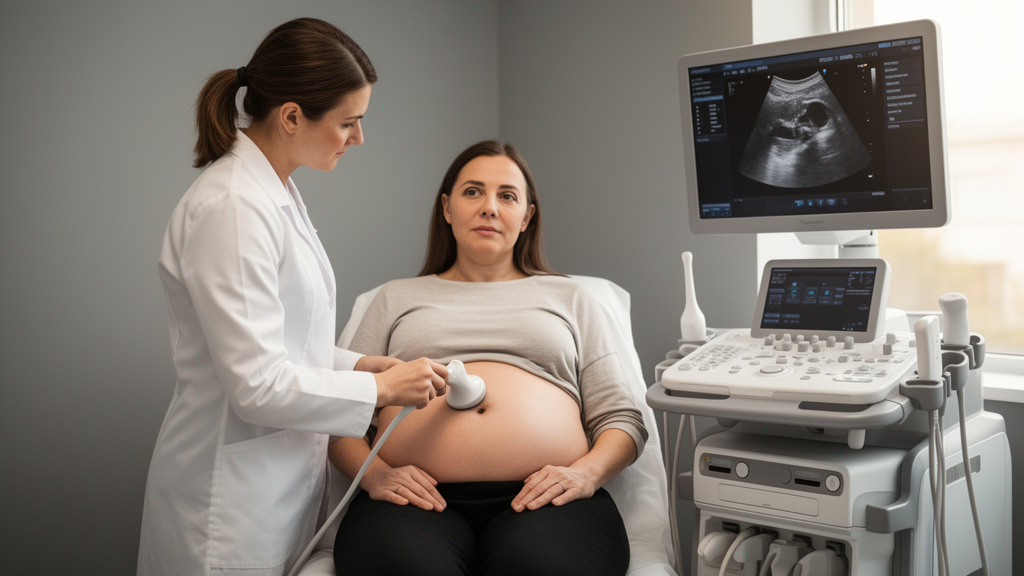
Adults whose metabolic health is compromised show measurably different results on a set of advanced ultrasound techniques, according to a cross-sectional study of 610 people recruited from a health check-up program at Beijing Friendship Hospital between January 2024 and August 2025. The study aimed to evaluate four ultrasound-based techniques (2D-SWE, Vi.PLUS, Att.PLUS and SSp.PLUS) and four liver fibrosis scores (FIB-4, NFS, APRI and BARD) as non-invasive tools for evaluating metabolic health status and obesity phenotypes in adults.
Serum biomarkers were used to calculate four liver fibrosis scores: FIB-4, NFS, APRI and BARD. Metabolic health was defined as the absence of any metabolic syndrome components, and obesity was classified based on body mass index.
The cohort included 29% male participants with a mean age of 49.3 years and a standard deviation of 15.4 years. After adjusting for confounding factors, higher body mass index was independently associated with higher 2D-SWE values (Beta: 0.128, 95% CI: 0.042 to 0.214, p = 0.004), higher Vi.PLUS values (Beta: 1.783, 95% CI: 1.159 to 2.407, p < 0.001) and higher Att.PLUS values (Beta: 9.203, 95% CI: 6.634 to 11.771, p < 0.001). Higher BMI was also associated with lower SSp.PLUS values (Beta: -0.031, 95% CI: -0.039 to -0.022, p < 0.001).
Multiple logistic regression analyses assessed whether the ultrasound parameters were independently associated with metabolically unhealthy status. Elevated 2D-SWE was independently associated with metabolically unhealthy status, with an odds ratio of 1.288 (95% CI: 1.181 to 1.404, p < 0.001). Vi.PLUS showed a stronger association, with an odds ratio of 6.673 (95% CI: 3.837 to 11.604, p < 0.001).
When participants were grouped by both metabolic and weight status, those with metabolically unhealthy obesity exhibited significantly higher 2D-SWE, Vi.PLUS and Att.PLUS values, and significantly lower SSp.PLUS values, compared with other groups in the analysis.
The discriminatory ability of Vi.PLUS and 2D-SWE for metabolically unhealthy status was quantified using receiver operating characteristic analysis. Vi.PLUS achieved an area under the curve of 0.781, with a sensitivity of 73.3% and a specificity of 71.2% (p < 0.001). 2D-SWE performed similarly, with an area under the curve of 0.773, a sensitivity of 81.4% and a specificity of 63.0%.
The four liver fibrosis scores calculated from serum biomarkers, FIB-4, NFS, APRI and BARD, were included in the evaluation alongside the ultrasound techniques, but the headline results reported in the abstract center on the ultrasound parameters, particularly 2D-SWE and Vi.PLUS, as the measures most strongly linked to metabolic unhealthy status and BMI.
The authors conclude that multiparametric ultrasound techniques, particularly 2D-SWE and Vi.PLUS, exhibit strong correlations with metabolic unhealthy status and BMI, and show promising predictive utility for metabolic risk stratification in metabolic syndrome populations. Because the study was cross-sectional, it captures associations at a single point in time and cannot establish whether the ultrasound changes precede or follow the development of metabolic dysfunction. The participants were adults attending a single hospital’s health check-up program, so the findings may not generalize to other populations.
It is also worth noting that the article was shared as an accepted manuscript under Springer Nature’s open access policy, a citable version carrying a permanent DOI that is subject to further edits before the final version of record is published. Readers should therefore treat the reported estimates as those of the peer-reviewed, accepted version of the study.
Subject of Research: Ultrasound-based liver measures and liver fibrosis scores in adults with metabolic syndrome versus metabolically healthy controls
Article Title: Multiparametric ultrasound and liver fibrosis Scores in adults with metabolic syndrome versus metabolically healthy controls
Article References: Wen, W., Fu, J., Zheng, S., Qian, L., & Hu, X. (2026). Multiparametric ultrasound and liver fibrosis Scores in adults with metabolic syndrome versus metabolically healthy controls. BMC Gastroenterology. https://doi.org/10.1186/s12876-026-05441-w
Image Credits: AI Generated
DOI: 10.1186/s12876-026-05441-w
Keywords: metabolic syndrome, 2D-SWE, Vi.PLUS, liver fibrosis scores, ultrasound, obesity, cross-sectional study, BMI, non-invasive assessment, BMC Gastroenterology, Multiparametric, liver
News Source: Daisy Hatcher. (October 29, 2026). Ultrasound measures track metabolic health in adults, cross-sectional study finds. Scienmag.



