

• HOME
  • NEWS
  • EXPLORE
    • CAREER
      • Companies
      • Jobs
    • EVENTS
    • iGEM
      • News
      • Team
    • PHOTOS
    • VIDEO
    • WIKI
  • BLOG
  • COMMUNITY
    • FACEBOOK
    • INSTAGRAM
    • TWITTER
Saturday, February 7, 2026
BIOENGINEER.ORG
No Result
View All Result
  • Login
  • HOME
  • NEWS
  • EXPLORE
    • CAREER
      • Companies
      • Jobs
        • Lecturer
        • PhD Studentship
        • Postdoc
        • Research Assistant
    • EVENTS
    • iGEM
      • News
      • Team
    • PHOTOS
    • VIDEO
    • WIKI
  • BLOG
  • COMMUNITY
    • FACEBOOK
    • INSTAGRAM
    • TWITTER
  • HOME
  • NEWS
  • EXPLORE
    • CAREER
      • Companies
      • Jobs
        • Lecturer
        • PhD Studentship
        • Postdoc
        • Research Assistant
    • EVENTS
    • iGEM
      • News
      • Team
    • PHOTOS
    • VIDEO
    • WIKI
  • BLOG
  • COMMUNITY
    • FACEBOOK
    • INSTAGRAM
    • TWITTER
No Result
View All Result
Bioengineer.org
No Result
View All Result
Home NEWS Science News Biology

Flour power to boost food security

Bioengineer by Bioengineer
October 31, 2017
in Biology
Reading Time: 2 mins read
0
Share on FacebookShare on TwitterShare on LinkedinShare on RedditShare on Telegram
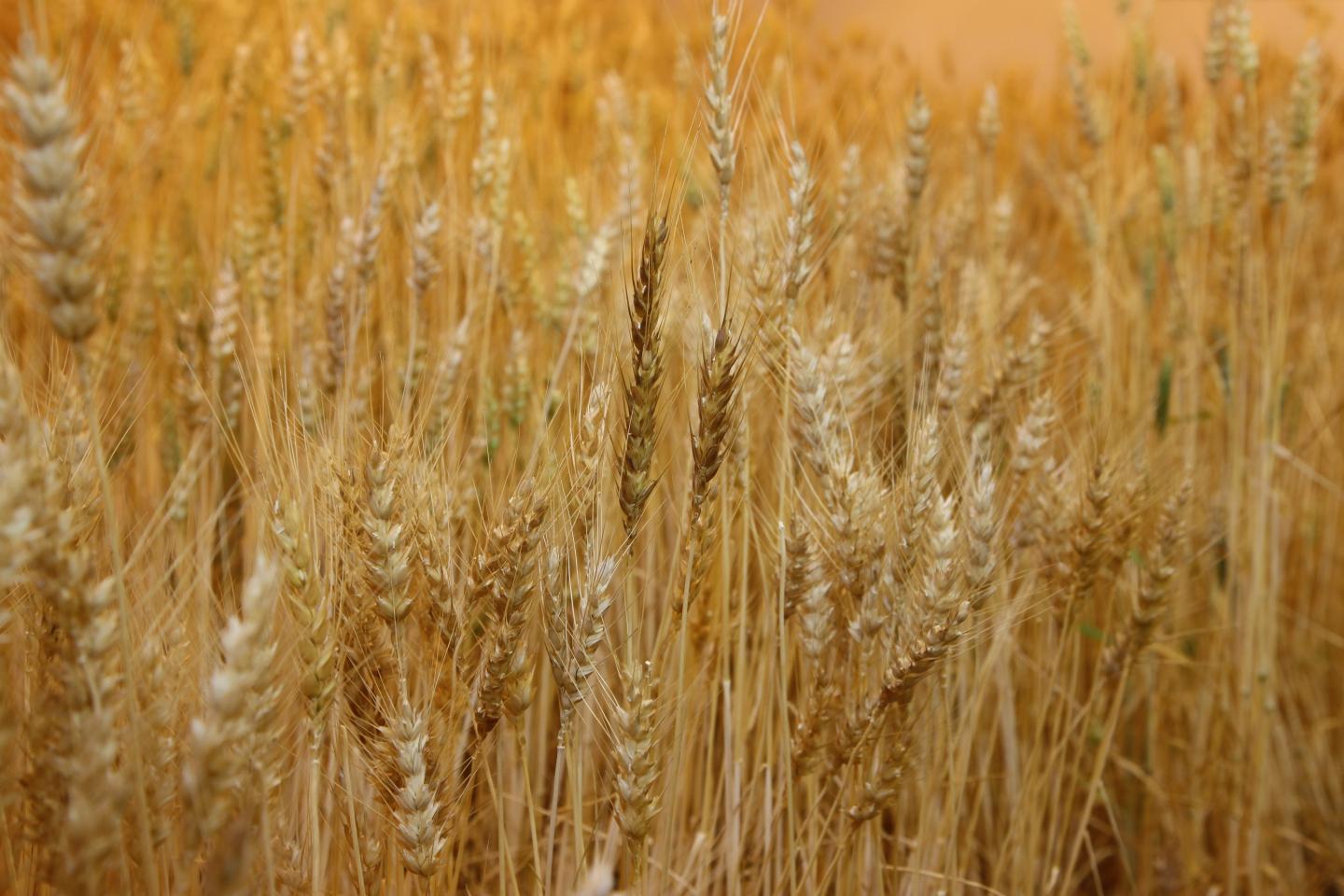
IMAGE

Credit: University of Queensland

The discovery of genes that determine the yield of flour from wheat could increase milling yield, boosting food security and producing a healthier flour.

University of Queensland researchers believe the discovery could increase the amount of flour produced from wheat by as much as 10 per cent.

Wheat – the leading temperate climate crop – provides 20 per cent of the total calories and proteins consumed worldwide. Wheat grain is milled, or crushed, to make flour for bread and other food products.

UQ Queensland Alliance for Agriculture and Food Innovation Director Professor Robert Henry said his research team had pinpointed the genes that control a cell protein which acts like a glue, holding the wheat grain's endosperm, wheat germ and bran layers together.

"Wheats that produce less of this glue-like protein come apart more easily in the milling process," he said.

"This increases the efficiency of processing and improves the nutritional profile of the flour as more of the outer parts of the endosperm – rich in vitamins and minerals – are incorporated into the flour.

"This applies not only to white flour but also to wholemeal flour.

"Potentially we can take high-yielding field wheats that have not traditionally been considered suitable for milling, and turn them into milling wheats.

"This will improve on-farm production and reduce post-harvest wastage and the amount of resources used to grow the wheat.

"And, by getting a few per cent more flour from the 700 million tonnes of wheat produced globally each year, we will be producing significantly more food from the same amount of wheat," he said.

Australian wheat traditionally attracts a high price in the market as it has a reputation of giving high flour yields.

"We haven't been able to genetically select for this trait at early stages of breeding before," Professor Henry said.

"The effect of this cell adhesion protein explains the difference between wheats that give us 70 per cent flour when we mill it, to 80 per cent, which is quite a big difference."

Professor Henry said this knowledge could be employed immediately in wheat breeding programs.

"It means that we can produce premium wheats more efficiently and push the yields of quality premium wheats up."

The team is now looking at DNA testing to breed wheats based on this new molecular discovery. Their findings are published in Scientific Reports.

###

Media Contact

Robert Henry
[email protected]
61-733-460-551
@uq_news

http://www.uq.edu.au

Original Source

https://www.uq.edu.au/news/article/2017/10/flour-power-boost-food-security http://dx.doi.org/10.1038/s41598-017-12845-y

Share13Tweet7Share2ShareShareShare1

Related Posts

Florida Cane Toad: Complex Spread and Selective Evolution

Florida Cane Toad: Complex Spread and Selective Evolution

February 7, 2026
New Study Uncovers Mechanism Behind Burn Pit Particulate Matter–Induced Lung Inflammation

New Study Uncovers Mechanism Behind Burn Pit Particulate Matter–Induced Lung Inflammation

February 6, 2026

DeepBlastoid: Advancing Automated and Efficient Evaluation of Human Blastoids with Deep Learning

February 6, 2026

Navigating the Gut: The Role of Formic Acid in the Microbiome

February 6, 2026
Please login to join discussion

POPULAR NEWS

  • Robotic Ureteral Reconstruction: A Novel Approach

    Robotic Ureteral Reconstruction: A Novel Approach

    82 shares
    Share 33 Tweet 21
  • Digital Privacy: Health Data Control in Incarceration

    63 shares
    Share 25 Tweet 16
  • Study Reveals Lipid Accumulation in ME/CFS Cells

    57 shares
    Share 23 Tweet 14
  • Breakthrough in RNA Research Accelerates Medical Innovations Timeline

    53 shares
    Share 21 Tweet 13

About

We bring you the latest biotechnology news from best research centers and universities around the world. Check our website.

Follow us

Recent News

Boosting Remote Healthcare: Stepped-Wedge Trial Insights

Barriers and Boosters of Seniors’ Physical Activity in Karachi

Evaluating Pediatric Emergency Care Quality in Ethiopia

Subscribe to Blog via Email

Enter your email address to subscribe to this blog and receive notifications of new posts by email.

Join 73 other subscribers
  • Contact Us

Bioengineer.org © Copyright 2023 All Rights Reserved.

Welcome Back!

Login to your account below

Forgotten Password?

Retrieve your password

Please enter your username or email address to reset your password.

Log In
No Result
View All Result
  • Homepages
    • Home Page 1
    • Home Page 2
  • News
  • National
  • Business
  • Health
  • Lifestyle
  • Science

Bioengineer.org © Copyright 2023 All Rights Reserved.