


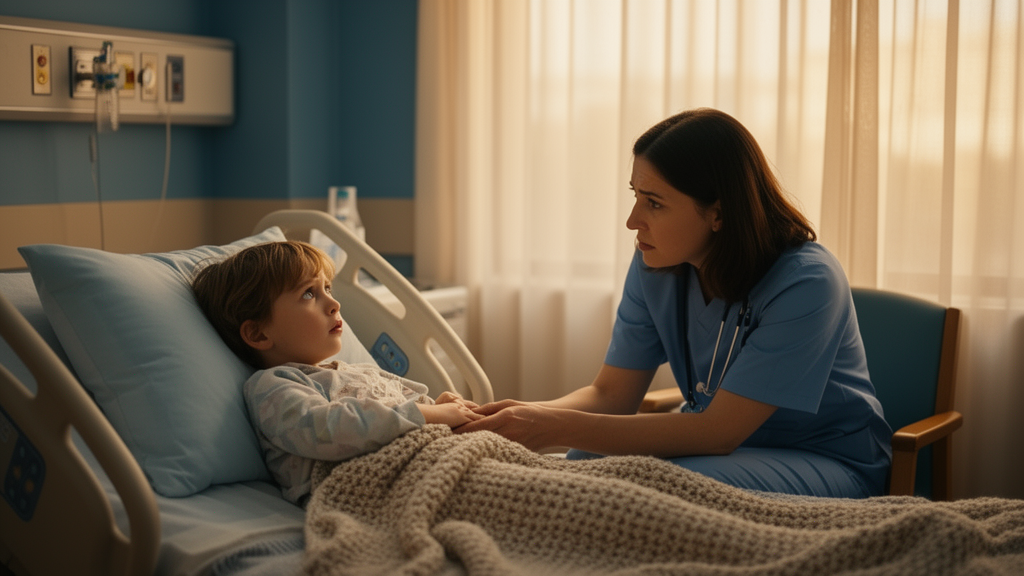
Children being treated for cancer and their mothers generally rate the management of physical symptoms positively, but a substantial share report that psychological distress is going unaddressed, according to a cross-sectional study published in BMC Palliative Care.
Researchers surveyed 210 hospitalized children aged 6 to 12 years with cancer, together with their mothers, at the oncology unit of a referral hospital in northwest Iran. The children had been receiving treatment for about one month when perceptions were recorded.
Data were collected using a questionnaire developed by Levin and colleagues in 2017, administered through interviews with the children and their parents, and analyzed in SPSS version 21 with descriptive and inferential statistics.
The results showed that more than 70% of children and parents reported that the healthcare team effectively managed pain, nausea, and appetite one month after treatment began. In other words, the physical dimensions of palliative care were, for most families, working as intended.
The picture changed for psychological symptoms. Over 40% of respondents perceived that anxiety and nervousness in the children were not being adequately managed, even as more than half reported good control of pain and nausea.
The authors conclude that current pediatric palliative care practices in this setting are effective for physical symptoms but that psychological symptoms remain inadequately addressed. They argue the findings point to a need for integrated psychosocial and mental health support within pediatric cancer care.
The study also supports, according to its authors, the development of multidisciplinary, patient-centered care models and the inclusion of both children’s and caregivers’ perspectives in quality improvement initiatives.
As a cross-sectional survey conducted at a single referral hospital, the study captures perceptions at one point in time and in one setting, so the findings describe reported experiences rather than measured clinical outcomes and may not generalize beyond this population.
Nevertheless, the gap the study identifies is a concrete one: while most families in the survey saw physical symptom control as effective, a large minority felt that the emotional burden of cancer treatment on children was being left untreated.
Subject of Research: Perceptions of pediatric palliative care among children with cancer and their mothers
Article Title: How children with cancer and their mothers perceive palliative care?
Article References: Abdolrahmani, A., farshi, M. R., & Jabraeili, M. (2026). How children with cancer and their mothers perceive palliative care?. BMC Palliative Care. https://doi.org/10.1186/s12904-026-02396-3
Image Credits: AI Generated
DOI: 10.1186/s12904-026-02396-3
Keywords: pediatric cancer, palliative care, symptom management, anxiety, cross-sectional study, Iran, quality of life, psychosocial support, mothers, questionnaire, children, cancer
News Source: Nathaniel Bowman. (October 29, 2026). Children with Cancer Say Physical Pain Is Managed, but Anxiety Often Is Not. Scienmag.



