Credit: AZTI-Tecnalia
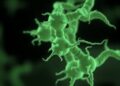
Therapy with phages, instead of antibiotics, is a highly promising option in aquaculture to control the transfer of bacteria that cause important losses or which may be harmful to consumers. Use of these organisms, which infect and destroy bacteria, would significantly reduce the environmental impact of fish farms, whilst increasing their profitability by lowering mortality in the early stages of the breeding process. These results emerge from the LIFE13 ENV/ES/001048-ENVIPHAGE European project, coordinated by AZTI, in which researchers from Biopolis S.L. (Spain), University of Aveiro (Portugal) and the Aguacircia Aquaculture company (Portugal) have also participated. The project has evaluated the impact of the use of bacteriophages which fight the pathogens responsible for the diseases that affect species bred in fish farms, on the environmental and intestinal bacteria communities of the fish.
Use of natural bacteriophages, which do not affect the health of fish or that of consumers, becomes an interesting alternative to the use of antibiotics. Different research projects had obtained very promising results at laboratory level, but before being able to use bacteriophages at an industrial level, it was necessary to know about the impact of their use on the environment and the marine ecology.
The Enviphage project has sought to address this gap between the laboratory and industrial-scale treatment. In the search for a strategy that enables the health of the aquaculture fish to be improved without affecting the environment or consumer safety, this project has worked on the identification of phages that infect and eliminate the pathogens of interest without affecting the environmental and intestinal bacteria communities, two of the critical points for the use of this technology in fish farms. Throughout the Enviphage project, the most promising bacteriophages with specific action against the pathogens of relevant fish have been selected for their use on a real scale. Later, following their production on an industrial scale, the phages were applied in fish farms. Their effectiveness has been proven in real conditions and the impact of phage treatment on fish has been evaluated through veterinary monitoring, and on the marine and intestinal bacteria communities through mass sequencing technologies and bacterial ecology studies.
The results obtained during 2017 show that the bacteria community of the intestinal tract of the fish is not significantly affected following treatment with the selected phages. It has also been shown that this treatment does not modify the marine bacteria population in the tanks on the fish farm or in the river where the fish farm is located, so it has zero impact or very limited impact on the bacterial ecology.
Bacteria resistant to antibiotics
Aquaculture is the world's fastest growing food production sector, with an evident social and economic impact. Aquaculture is a complementary activity to fishing, which provides over 50% of the world's supply of fish and seafood.
However, the aquaculture sector also faces problems derived from the development and rapid transfer of bacterial infections in the fish farms. The most common treatment to prevent such infections and reduce the corresponding heavy economic losses is the use of antibiotics.
However, in spite of the fact that the health authorities have called for responsible use of antibiotics, their prolonged use in aquaculture has led to the development of resistant bacteria. On the other hand, many of these antibiotics are non-specific, acting not only against the problematic pathogen, but also against other bacteria naturally present in the environment. All of this, together with the consumer call for antibiotic-free products, has led to the search for alternative solutions to the use of antibiotics to fight bacterial infections, particularly in the early stages, when vaccination is not possible and the maintenance of the bacterial ecosystem is vital.
###
Media Contact
Oihane Lakar
[email protected]
0034-943-363-040
Original Source
http://www.azti.es/research-led-by-azti-has-concluded-that-phages-are-an-effective-alternative-to-the-use-of-antibiotics-in-aquaculture/