

• HOME
  • NEWS
  • EXPLORE
    • CAREER
      • Companies
      • Jobs
    • EVENTS
    • iGEM
      • News
      • Team
    • PHOTOS
    • VIDEO
    • WIKI
  • BLOG
  • COMMUNITY
    • FACEBOOK
    • INSTAGRAM
    • TWITTER
Sunday, November 1, 2026
BIOENGINEER.ORG
No Result
View All Result
  • Login
  • HOME
  • NEWS
  • EXPLORE
    • CAREER
      • Companies
      • Jobs
        • Lecturer
        • PhD Studentship
        • Postdoc
        • Research Assistant
    • EVENTS
    • iGEM
      • News
      • Team
    • PHOTOS
    • VIDEO
    • WIKI
  • BLOG
  • COMMUNITY
    • FACEBOOK
    • INSTAGRAM
    • TWITTER
No Result
View All Result
Bioengineer.org
No Result
View All Result
Home NEWS Science News Health

Glycolysis Metabolites Linked to Short-Term Mortality After Heart Attack

by
October 29, 2026
in Health
Reading Time: 2 mins read
0
Glycolysis Metabolites Linked to Short-Term Mortality After Heart Attack

Glycolysis Metabolites Linked to Short-Term Mortality After Heart Attack

Share on FacebookShare on TwitterShare on LinkedinShare on RedditShare on Telegram

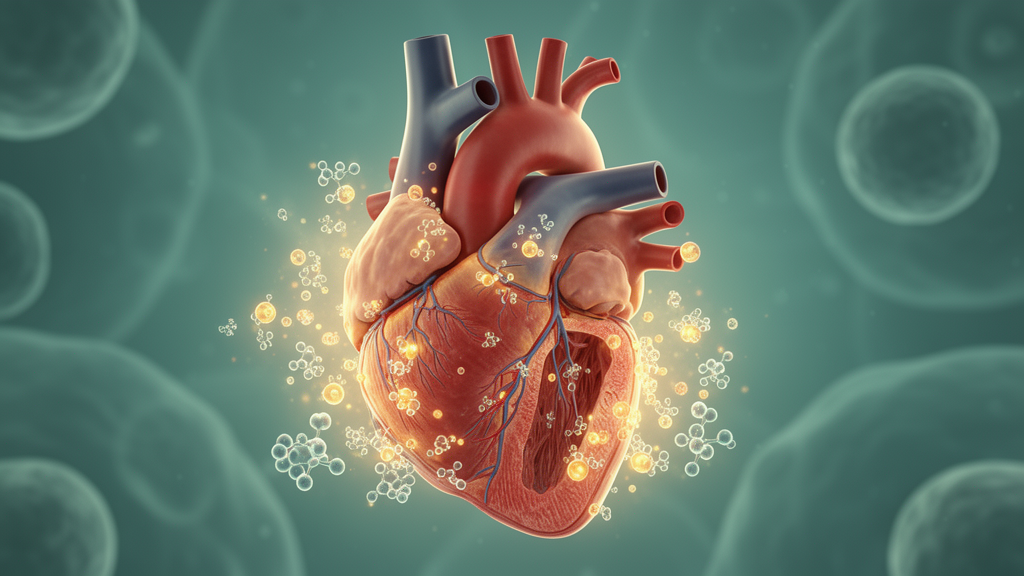
Patients who suffer the most serious type of heart attack face sharply different short-term risks depending on the levels of four sugar-breakdown metabolites in their blood, according to a new study published in Diabetology & Metabolic Syndrome. Elevated plasma concentrations of glucose, lactate, pyruvate and citrate were each significantly associated with an increased risk of death within 28 days after a ST-elevation myocardial infarction, or STEMI.

The research drew on data from 724 STEMI patients enrolled in the population-based Augsburg Myocardial Infarction Registry. Arterial blood samples were collected in EDTA tubes at the start of the catheterization procedure, and plasma metabolite concentrations were quantified with a high-throughput nuclear magnetic resonance spectroscopy platform developed by Nightingale Health in Finland.

During the 28-day follow-up window, 677 of the patients survived while 47 died. The researchers used multivariable logistic regression models to assess the associations between the glycolysis-related metabolites and short-term mortality, adjusting their P values for multiple testing with the false discovery rate method.

Glucose showed the strongest association with 28-day mortality, with an odds ratio of 2.10 (95% confidence interval 1.53 to 2.88, adjusted P ≤ 0.001). Pyruvate showed the weakest of the four significant associations, with an odds ratio of 1.60 (95% confidence interval 1.22 to 2.10, adjusted P = 0.001). Lactate and citrate also reached statistical significance, falling between these two extremes.

The findings address a gap highlighted by the authors: prior studies had already linked lactate and glucose to short-term mortality after myocardial infarction, but information on glycolysis-wide metabolite alterations remained insufficient. By measuring pyruvate and citrate alongside the better-known markers, the study offers a broader picture of how disturbances in the glycolysis pathway relate to early post-infarction death.

The study’s results indicate that metabolic disturbances, reflected by these glycolysis-related metabolites, are associated with short-term mortality in STEMI patients, suggesting their potential prognostic value.

The authors also note that blood was drawn at a single time point, at the start of catheterization, so the measurements capture metabolite levels at one moment early in hospital care.

Even with those limitations, the consistency of the associations across all four metabolites, and their survival after adjustment for multiple testing, marks glycolysis-related metabolites as candidate prognostic markers worth further investigation in the critical first four weeks after a STEMI.

Subject of Research: Associations between glycolysis-related metabolites and 28-day mortality after ST-elevation myocardial infarction

Article Title: Associations between glycolysis related metabolites and short-term mortality after ST-elevation myocardial infarction

Article References: Meisinger, C., Freuer, D., Raake, P., Linseisen, J., & Schmitz, T. (2026). Associations between glycolysis related metabolites and short-term mortality after ST-elevation myocardial infarction. Diabetology & Metabolic Syndrome. https://doi.org/10.1186/s13098-026-02335-5

Image Credits: AI Generated

DOI: 10.1186/s13098-026-02335-5

Keywords: STEMI, myocardial infarction, glycolysis, glucose, lactate, pyruvate, citrate, mortality, NMR spectroscopy, biomarkers, Augsburg Myocardial Infarction Registry, prognosis

News Source: Ophelia Keating. (October 29, 2026). Glycolysis Metabolites Linked to Short-Term Mortality After Heart Attack. Scienmag.


Tags: Augsburg Myocardial Infarction RegistrybiomarkerscitrateglucoseglycolysislactatemortalityMyocardial InfarctionNMR spectroscopyprognosispyruvateSTEMI
Share12Tweet7Share2ShareShareShare1

Related Posts

ZNF207 shields glutamine transporter ASCT2 from degradation to fuel liver cancer growth

ZNF207 shields glutamine transporter ASCT2 from degradation to fuel liver cancer growth

October 30, 2026
Most Ethiopian HIV patients on dolutegravir therapy show good knowledge, survey finds

Most Ethiopian HIV patients on dolutegravir therapy show good knowledge, survey finds

October 30, 2026

Serum and urine protein biomarkers may sharpen prostate cancer detection beyond PSA

October 30, 2026

One gene locus flags atrial fibrillation risk after major surgery, UK Biobank study finds

October 30, 2026

POPULAR NEWS

  • Microbial Sources and Stress Shape the Hidden Endophytes of an Invasive Plant

    Microbial Sources and Stress Shape the Hidden Endophytes of an Invasive Plant

    29 shares
    Share 12 Tweet 7
  • Firebreaks Leave Lasting Scars in Grasslands While Wildfire Heals Fast

    29 shares
    Share 12 Tweet 7
  • ZNF207 shields glutamine transporter ASCT2 from degradation to fuel liver cancer growth

    29 shares
    Share 12 Tweet 7
  • Systematic review maps sustainability tensions in offshore wind development

    29 shares
    Share 12 Tweet 7

About

We bring you the latest biotechnology news from best research centers and universities around the world. Check our website.

Follow us

Recent News

Microbial Sources and Stress Shape the Hidden Endophytes of an Invasive Plant

Firebreaks Leave Lasting Scars in Grasslands While Wildfire Heals Fast

ZNF207 shields glutamine transporter ASCT2 from degradation to fuel liver cancer growth

Subscribe to Blog via Email

Enter your email address to subscribe to this blog and receive notifications of new posts by email.

Join 86 other subscribers
  • Contact Us

Bioengineer.org © Copyright 2023 All Rights Reserved.

Welcome Back!

Login to your account below

Forgotten Password?

Retrieve your password

Please enter your username or email address to reset your password.

Log In
No Result
View All Result
  • Homepages
    • Home Page 1
    • Home Page 2
  • News
  • National
  • Business
  • Health
  • Lifestyle
  • Science

Bioengineer.org © Copyright 2023 All Rights Reserved.
