• HOME
  • NEWS
  • EXPLORE
    • CAREER
      • Companies
      • Jobs
    • EVENTS
    • iGEM
      • News
      • Team
    • PHOTOS
    • VIDEO
    • WIKI
  • BLOG
  • COMMUNITY
    • FACEBOOK
    • INSTAGRAM
    • TWITTER
Saturday, February 7, 2026
BIOENGINEER.ORG
No Result
View All Result
  • Login
  • HOME
  • NEWS
  • EXPLORE
    • CAREER
      • Companies
      • Jobs
        • Lecturer
        • PhD Studentship
        • Postdoc
        • Research Assistant
    • EVENTS
    • iGEM
      • News
      • Team
    • PHOTOS
    • VIDEO
    • WIKI
  • BLOG
  • COMMUNITY
    • FACEBOOK
    • INSTAGRAM
    • TWITTER
  • HOME
  • NEWS
  • EXPLORE
    • CAREER
      • Companies
      • Jobs
        • Lecturer
        • PhD Studentship
        • Postdoc
        • Research Assistant
    • EVENTS
    • iGEM
      • News
      • Team
    • PHOTOS
    • VIDEO
    • WIKI
  • BLOG
  • COMMUNITY
    • FACEBOOK
    • INSTAGRAM
    • TWITTER
No Result
View All Result
Bioengineer.org
No Result
View All Result
Home NEWS Science News Biology

Ocean atmosphere rife with microbes

Bioengineer by Bioengineer
October 16, 2017
in Biology
Reading Time: 2 mins read
0
Share on FacebookShare on TwitterShare on LinkedinShare on RedditShare on Telegram
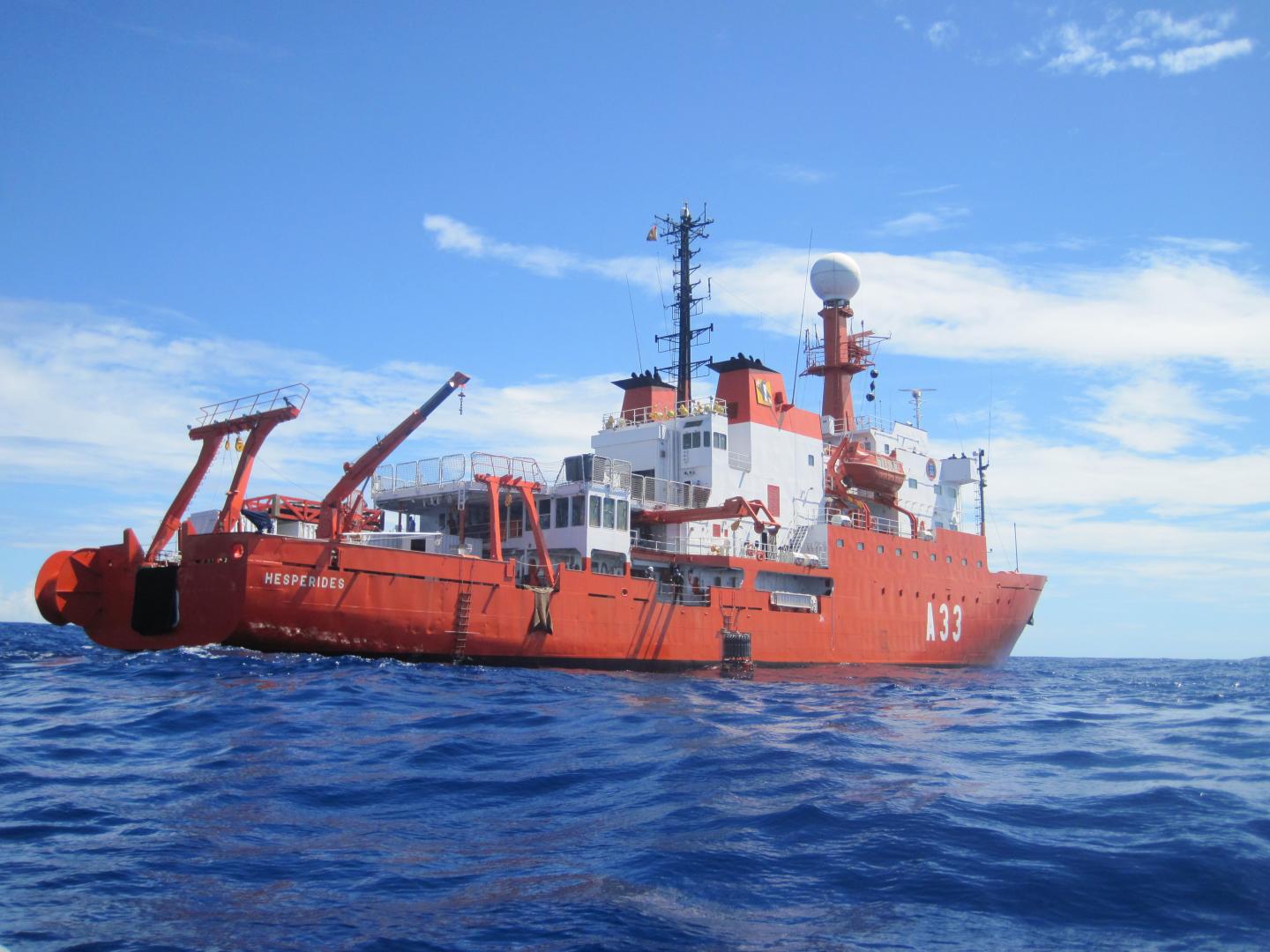
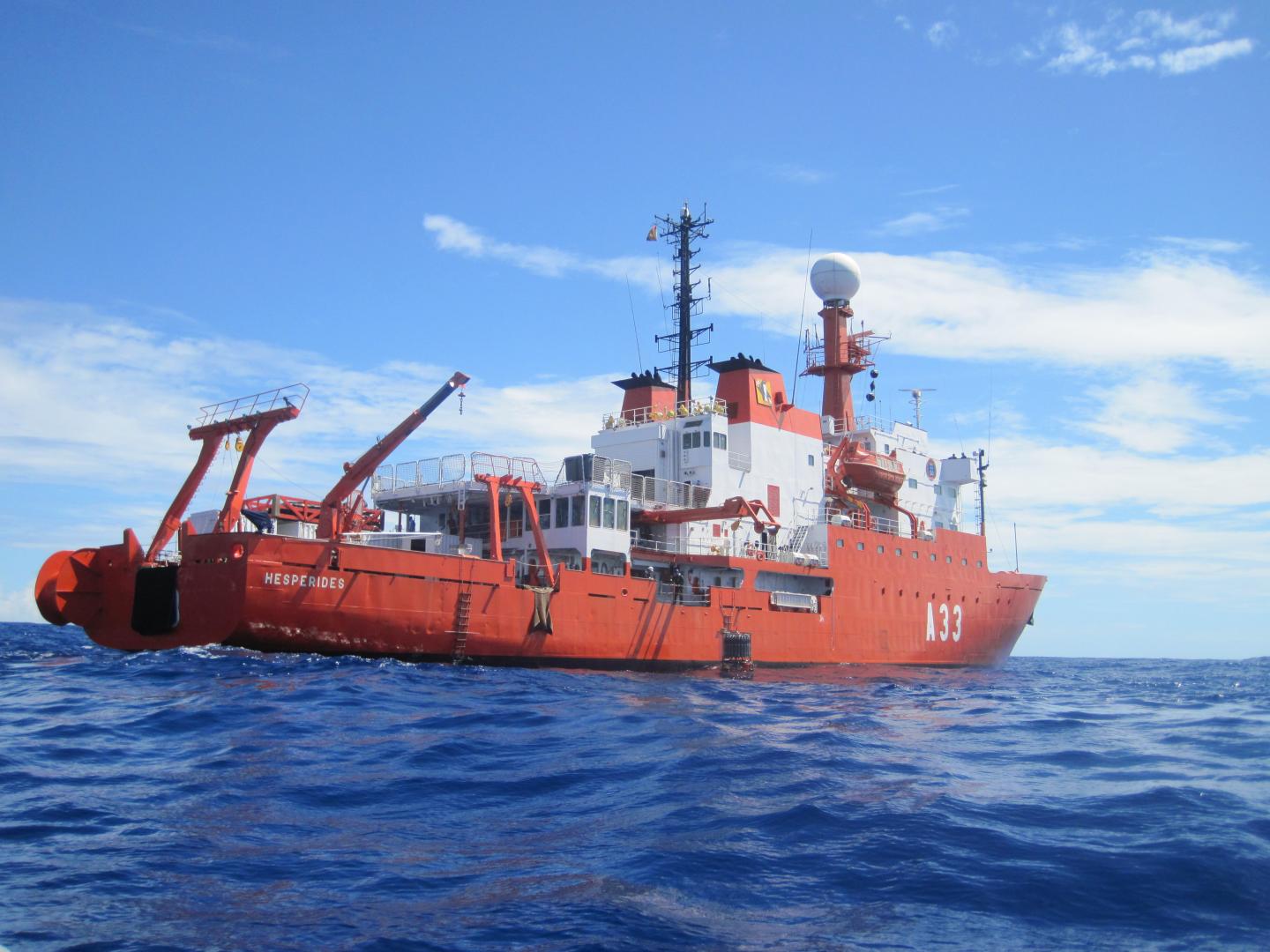
IMAGE

Credit: © 2016 Joan Costa

Microbes in the atmosphere and the role of the oceans in their movement have been largely overlooked by researchers. Now, an international team shows that the oceans contribute to a large fraction of the microbes found in the global atmosphere.

Understanding the oceans' role as a source and sink for airborne microbes can provide insight into the maintenance of microbial diversity and how human, animal and plant pathogens spread over oceans and between landmasses. The team, which included researchers from KAUST as well as several Spanish and French organizations, expected that they would find many more microbes over land than over water. What they didn't know was how many microbes actually exist in the atmosphere over the oceans.

More than 100 air samples were collected from tropical and subtropical regions over the Atlantic, Pacific and Indian oceans during an eight-month marine research expedition — the Malaspina 2010 Circumnavigation Expedition — that began in December 2010.

"We found that the atmosphere is a vector for the long-range transport — typically 4,000Km — of airborne microbes, including bacteria and fungi among others, says Carlos Duarte of KAUST's Red Sea Research Center, who led the study. "Even in the open ocean, more than half of the microbial load in the atmosphere is derived from land." Atmospheric transport may be important in redistributing pathogens across the globe, he adds.

The team found an average of 67,000 prokaryotes (non-nucleus-containing single-celled organisms like bacteria) per cubic meter of sampled air over the oceans compared to 190,000 bacteria per cubic meter of air over land. They also found an average of 32,000 eukaryotes (nucleus-containing microbes like fungi) per cubic meter of sampled air over the oceans compared to 240,000 fungal spores found per cubic meter of atmosphere over land.

The maximum values of eukaryotes were found over the North Atlantic and East Pacific, most likely affected by African and Asian dust-related events in these regions.

The team conducted genetic analyses and found 25% of the microbes in the atmosphere above the oceans were of marine origin, while 42% were land-based organisms and the remaining 24% were undetermined. More than 50% of the microbes in samples taken from the South Atlantic and Indian Oceans, which were far from landmasses and influenced by marine air masses, were of terrestrial or undetermined origin.

"The results open up a new suite of research questions, including atmospheric pathways for the dispersal of pathogens, the role of small islands as stepping stones for the cross-basin transport of land microbes across vast distances, and the role these organisms play in condensing particles, including rain drops, in the atmosphere," says Duarte.

He and his team have followed up with research on microbial loads over the Mediterranean Sea and the Arctic Ocean. They are also studying dust-associated organisms over the Red Sea.

###

Media Contact

Carolyn Unck
[email protected]

http://kaust.edu.sa/

Original Source

https://kaust.link/2kQKqur http://dx.doi.org/10.1038/s41467-017-00110-9

Share12Tweet8Share2ShareShareShare2

Related Posts

New Study Uncovers Mechanism Behind Burn Pit Particulate Matter–Induced Lung Inflammation

New Study Uncovers Mechanism Behind Burn Pit Particulate Matter–Induced Lung Inflammation

February 6, 2026

DeepBlastoid: Advancing Automated and Efficient Evaluation of Human Blastoids with Deep Learning

February 6, 2026

Navigating the Gut: The Role of Formic Acid in the Microbiome

February 6, 2026

AI-Enhanced Optical Coherence Photoacoustic Microscopy Revolutionizes 3D Cancer Model Imaging

February 6, 2026
Please login to join discussion

POPULAR NEWS

  • Robotic Ureteral Reconstruction: A Novel Approach

    Robotic Ureteral Reconstruction: A Novel Approach

    82 shares
    Share 33 Tweet 21
  • Digital Privacy: Health Data Control in Incarceration

    63 shares
    Share 25 Tweet 16
  • Study Reveals Lipid Accumulation in ME/CFS Cells

    57 shares
    Share 23 Tweet 14
  • Breakthrough in RNA Research Accelerates Medical Innovations Timeline

    53 shares
    Share 21 Tweet 13

About

We bring you the latest biotechnology news from best research centers and universities around the world. Check our website.

Follow us

Recent News

Palmitoylation of Tfr1 Drives Platelet Ferroptosis and Exacerbates Liver Damage in Heat Stroke

Oxygen-Enhanced Dual-Section Microneedle Patch Improves Drug Delivery and Boosts Photodynamic and Anti-Inflammatory Treatment for Psoriasis

Scientists Identify SARS-CoV-2 PLpro and RIPK1 Inhibitors Showing Potent Synergistic Antiviral Effects in Mouse COVID-19 Model

Subscribe to Blog via Email

Enter your email address to subscribe to this blog and receive notifications of new posts by email.

Join 73 other subscribers
  • Contact Us

Bioengineer.org © Copyright 2023 All Rights Reserved.

Welcome Back!

Login to your account below

Forgotten Password?

Retrieve your password

Please enter your username or email address to reset your password.

Log In
No Result
View All Result
  • Homepages
    • Home Page 1
    • Home Page 2
  • News
  • National
  • Business
  • Health
  • Lifestyle
  • Science

Bioengineer.org © Copyright 2023 All Rights Reserved.