• HOME
  • NEWS
  • EXPLORE
    • CAREER
      • Companies
      • Jobs
    • EVENTS
    • iGEM
      • News
      • Team
    • PHOTOS
    • VIDEO
    • WIKI
  • BLOG
  • COMMUNITY
    • FACEBOOK
    • INSTAGRAM
    • TWITTER
Wednesday, July 15, 2026
BIOENGINEER.ORG
No Result
View All Result
  • Login
  • HOME
  • NEWS
  • EXPLORE
    • CAREER
      • Companies
      • Jobs
        • Lecturer
        • PhD Studentship
        • Postdoc
        • Research Assistant
    • EVENTS
    • iGEM
      • News
      • Team
    • PHOTOS
    • VIDEO
    • WIKI
  • BLOG
  • COMMUNITY
    • FACEBOOK
    • INSTAGRAM
    • TWITTER
  • HOME
  • NEWS
  • EXPLORE
    • CAREER
      • Companies
      • Jobs
        • Lecturer
        • PhD Studentship
        • Postdoc
        • Research Assistant
    • EVENTS
    • iGEM
      • News
      • Team
    • PHOTOS
    • VIDEO
    • WIKI
  • BLOG
  • COMMUNITY
    • FACEBOOK
    • INSTAGRAM
    • TWITTER
No Result
View All Result
Bioengineer.org
No Result
View All Result
Home NEWS Science News Biology

Scientists uncover a centuries-old case of mistaken identity in the Chesapeake Bay

Bioengineer by Bioengineer
October 13, 2017
in Biology
Reading Time: 1 min read
0
Share on FacebookShare on TwitterShare on LinkedinShare on RedditShare on Telegram
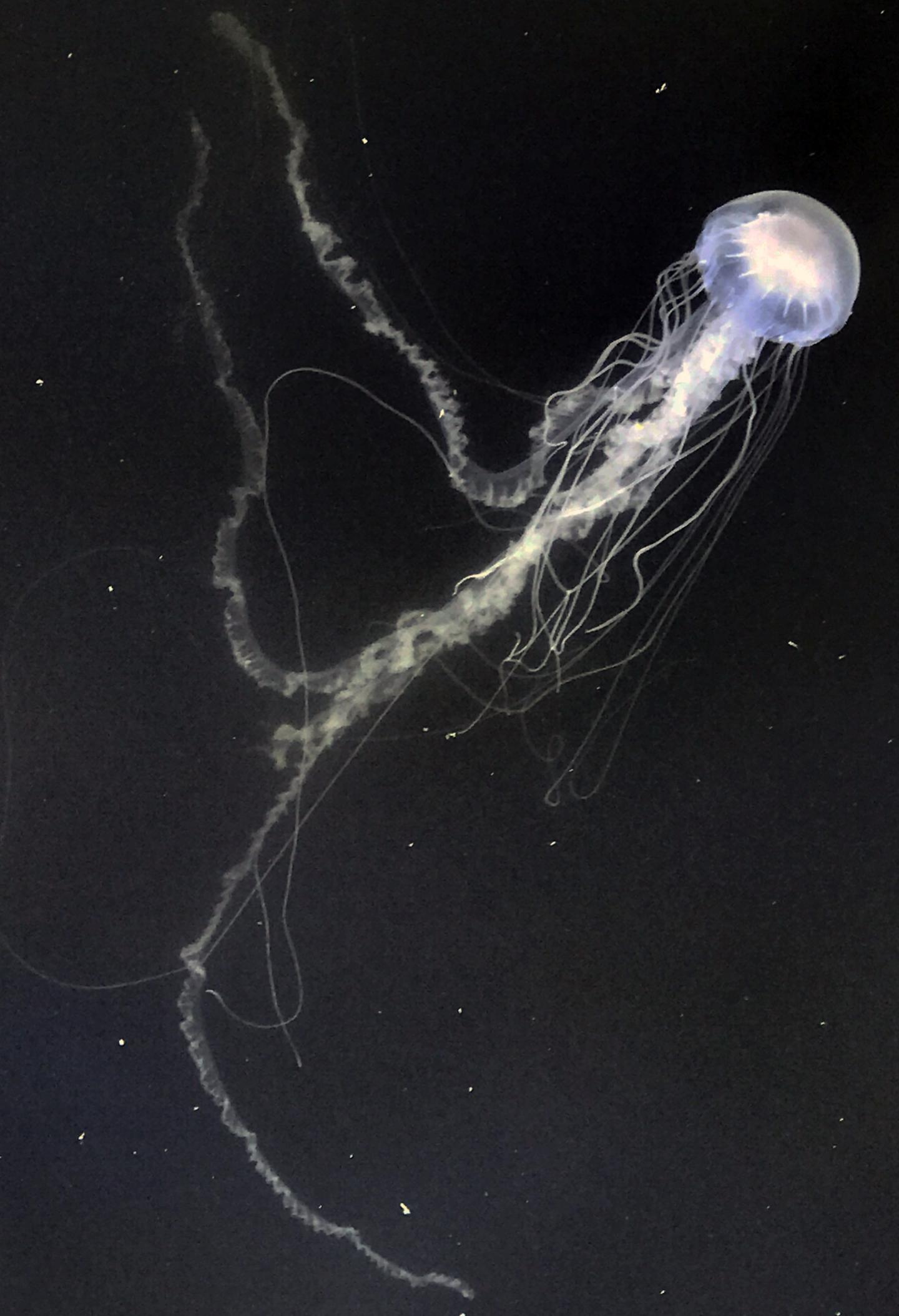
IMAGE

Credit: Smithsonian Institution

Jellyfish sting swimmers, clog fishing nets, and in high numbers can close beaches. But despite their nuisance to humans, they play an important role in the marine ecosystem – including in the Chesapeake Bay, where they protect commercially valuable Eastern oysters from predators.

Scientists recently discovered that some jellyfish in the Bay are quite different from their ocean cousins. This led scientists from NOAA and the Smithsonian Institution's National Museum of Natural History to declare them as two different species. The newly recognized bay nettle jellies (Chrysaora chesapeakei) are noticeably smaller than their saltwater relatives, and have only half as many tentacles.

Does having fewer tentacles mean less of a sting? Likely not. But this new discovery may inspire other scientists to take a closer look at jellies in other parts of the world to see if there are other cases of mistaken identity.

###

Media Contact

John Ewald
[email protected]
240-429-6127
@NOAA

Related Journal Article

http://dx.doi.org/10.7717/peerj.3836
Share12Tweet8Share2ShareShareShare2

Related Posts

New Fungal Species Named After Sweden’s King Unveiled

New Fungal Species Named After Sweden’s King Unveiled

July 15, 2026
Targeted Nanoparticles Make Tumors’ Copper Into a Lethal Weapon

Targeted Nanoparticles Make Tumors’ Copper Into a Lethal Weapon

July 15, 2026

Kansas City University Review Identifies Astrocytes as Drivers of Chronic Traumatic Encephalopathy

July 15, 2026

Elephants Use Ground Vibrations for Communication via Specialized Middle Ear Anatomy

July 15, 2026
Please login to join discussion

POPULAR NEWS

  • New Drug Candidate Developed at McMaster Shows Potential for Treating Brain Cancer

    58 shares
    Share 23 Tweet 15
  • A varied menu

    51 shares
    Share 22 Tweet 12
  • 研究人员开发认知工具包,实现阿尔茨海默症早期检测

    50 shares
    Share 20 Tweet 13
  • Porcine Heart Transplant

    50 shares
    Share 20 Tweet 13

About

We bring you the latest biotechnology news from best research centers and universities around the world. Check our website.

Follow us

Recent News

Butyrate epigenetically sustains intestinal epithelial–T cell signaling for tolerance

Designing Rational Home-Based Studies to Assess Infants’ Sleep Patterns

Correction: NLRP3 pyroptosis worsens mouse cardiac hypertrophy; irisin is protective

Subscribe to Blog via Email

Enter your email address to subscribe to this blog and receive notifications of new posts by email.

Join 85 other subscribers
  • Contact Us

Bioengineer.org © Copyright 2023 All Rights Reserved.

Welcome Back!

Login to your account below

Forgotten Password?

Retrieve your password

Please enter your username or email address to reset your password.

Log In
No Result
View All Result
  • Homepages
    • Home Page 1
    • Home Page 2
  • News
  • National
  • Business
  • Health
  • Lifestyle
  • Science

Bioengineer.org © Copyright 2023 All Rights Reserved.