• HOME
  • NEWS
  • EXPLORE
    • CAREER
      • Companies
      • Jobs
    • EVENTS
    • iGEM
      • News
      • Team
    • PHOTOS
    • VIDEO
    • WIKI
  • BLOG
  • COMMUNITY
    • FACEBOOK
    • INSTAGRAM
    • TWITTER
Wednesday, October 28, 2026
BIOENGINEER.ORG
No Result
View All Result
  • Login
  • HOME
  • NEWS
  • EXPLORE
    • CAREER
      • Companies
      • Jobs
        • Lecturer
        • PhD Studentship
        • Postdoc
        • Research Assistant
    • EVENTS
    • iGEM
      • News
      • Team
    • PHOTOS
    • VIDEO
    • WIKI
  • BLOG
  • COMMUNITY
    • FACEBOOK
    • INSTAGRAM
    • TWITTER
No Result
View All Result
Bioengineer.org
No Result
View All Result
Home NEWS Science News Health

Chicory Root Compounds Linked to Gene and microRNA Networks in Mouse Data Analysis

by
October 28, 2026
in Biology, Health
Reading Time: 2 mins read
0
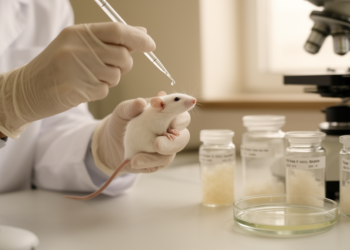
Chicory Root Compounds Linked to Gene and microRNA Networks in Mouse Data Analysis

Chicory Root Compounds Linked to Gene and microRNA Networks in Mouse Data Analysis

Share on FacebookShare on TwitterShare on LinkedinShare on RedditShare on Telegram

Chicory (Cichorium intybus L.) is a medicinal plant whose root contains bioactive compounds including inulin, fructose, chlorogenic acids, and sesquiterpene lactones. A new integrated transcriptomic analysis, published in the journal Genes & Nutrition, has mapped gene and microRNA regulatory networks associated with these four major compounds, offering a molecular framework that the authors say can guide future mechanistic studies.

The study, conducted by Fatemeh Abolmashadi, Mahdi Moridi Farimani, and Gholamreza Farnoosh, did not involve new laboratory experiments with the compounds themselves. Instead, the researchers reanalyzed two publicly available mouse microarray datasets, GSE150218 and GSE190056, to identify differentially expressed genes, hub genes, and associated microRNAs linked to each compound category.

To characterize the biological relevance of their findings, the team applied gene ontology enrichment analysis, KEGG pathway analysis, and protein–protein interaction network mapping. These computational tools allowed them to place the differentially expressed genes within known functional categories and signaling pathways.

The analysis identified distinct sets of hub genes for each compound. For inulin, the hub genes were Rps28 and Rps2. For fructose, the analysis highlighted Rplp0, Cct2, and Rps20. Sesquiterpene lactones were associated with Mki67, Egfr, and Pparg, while chlorogenic acids were linked to Socs2, Six2, Smtnl2, and Gcsh.

Pathway enrichment revealed significant associations between these gene sets and several molecular pathways, including mRNA surveillance, PPAR signaling, AMPK signaling, ribosome function, and coronavirus-related pathways.

The analysis highlighted strong predicted regulatory interactions between specific microRNAs and the hub genes identified for each compound: mmu-miR-204-3p for inulin, mmu-miR-17-5p for fructose, mmu-miR-15a-5p for sesquiterpene lactones, and mmu-miR-142a-5p for chlorogenic acids.

The authors emphasize that these regulatory interactions are computational predictions rather than experimentally demonstrated relationships. In the study’s conclusion, they state that experimental validation is required to confirm the predicted regulatory networks, positioning the current work as a hypothesis-generating resource rather than a demonstration of biological mechanism.

Because the underlying datasets derive from mouse studies, the findings describe molecular associations in animal transcriptomic data and cannot be directly extended to human health effects. The open-access article, published on 8 September 2026, was shared early as a peer-reviewed, accepted manuscript that remains citable through its permanent DOI, with a final version of record to follow.

Subject of Research: Bioinformatic identification of gene and microRNA networks associated with chicory root bioactive compounds

Article Title: Integrated transcriptomic analysis identifies gene–miRNA regulatory networks associated with major chicory root bioactive compounds

Article References: Abolmashadi, F., Moridi Farimani, M., & Farnoosh, G. (2026). Integrated transcriptomic analysis identifies gene–miRNA regulatory networks associated with major chicory root bioactive compounds. Genes & Nutrition. https://doi.org/10.1186/s12263-026-00819-7

Image Credits: AI Generated

DOI: 10.1186/s12263-026-00819-7

Keywords: chicory, Cichorium intybus, transcriptomics, microRNA, inulin, chlorogenic acids, sesquiterpene lactones, fructose, hub genes, PPAR signaling, AMPK signaling, bioinformatics

News Source: Juliet Wilcox. (October 28, 2026). Chicory Root Compounds Linked to Gene and microRNA Networks in Mouse Data Analysis. Scienmag.


Tags: AMPK signalingBioinformaticschicorychlorogenic acidsCichorium intybusfructosehub genesinulinmicroRNAPPAR signalingsesquiterpene lactonesTranscriptomics
Share12Tweet7Share2ShareShareShare1

Related Posts

What Women Really Think About Overactive Bladder Treatments: A Qualitative Meta-Synthesis

What Women Really Think About Overactive Bladder Treatments: A Qualitative Meta-Synthesis

October 28, 2026
Rice's Green Revolution traced to two key genes from a Taiwanese landrace

Rice’s Green Revolution traced to two key genes from a Taiwanese landrace

October 28, 2026

Antibiotic Spectrum, Not Dose or Duration, Drives ICU Carbapenem Resistance Risk

October 28, 2026

Genetic Study Links Specific Blood Lipids to Pre-eclampsia and Eclampsia Risk

October 28, 2026

POPULAR NEWS

  • Engineered Probiotic Co-Culture Eases Antibiotic-Linked Diarrhea in Mice

    Engineered Probiotic Co-Culture Eases Antibiotic-Linked Diarrhea in Mice

    29 shares
    Share 12 Tweet 7
  • Lessons from a global effort to center lived experience in climate and mental health research

    29 shares
    Share 12 Tweet 7
  • Vegetarian diet does not offset ABCG2 gene variant’s hyperuricemia risk in Taiwanese cohort

    29 shares
    Share 12 Tweet 7
  • Short-Term CD8+ T Cell Depletion Alters Tau Pathology in Aged Alzheimer’s Model Mice

    29 shares
    Share 12 Tweet 7

About

We bring you the latest biotechnology news from best research centers and universities around the world. Check our website.

Follow us

Recent News

What Women Really Think About Overactive Bladder Treatments: A Qualitative Meta-Synthesis

Rice’s Green Revolution traced to two key genes from a Taiwanese landrace

Antibiotic Spectrum, Not Dose or Duration, Drives ICU Carbapenem Resistance Risk

Subscribe to Blog via Email

Enter your email address to subscribe to this blog and receive notifications of new posts by email.

Join 85 other subscribers
  • Contact Us

Bioengineer.org © Copyright 2023 All Rights Reserved.

Welcome Back!

Login to your account below

Forgotten Password?

Retrieve your password

Please enter your username or email address to reset your password.

Log In
No Result
View All Result
  • Homepages
    • Home Page 1
    • Home Page 2
  • News
  • National
  • Business
  • Health
  • Lifestyle
  • Science

Bioengineer.org © Copyright 2023 All Rights Reserved.