• HOME
  • NEWS
  • EXPLORE
    • CAREER
      • Companies
      • Jobs
    • EVENTS
    • iGEM
      • News
      • Team
    • PHOTOS
    • VIDEO
    • WIKI
  • BLOG
  • COMMUNITY
    • FACEBOOK
    • INSTAGRAM
    • TWITTER
Saturday, February 7, 2026
BIOENGINEER.ORG
No Result
View All Result
  • Login
  • HOME
  • NEWS
  • EXPLORE
    • CAREER
      • Companies
      • Jobs
        • Lecturer
        • PhD Studentship
        • Postdoc
        • Research Assistant
    • EVENTS
    • iGEM
      • News
      • Team
    • PHOTOS
    • VIDEO
    • WIKI
  • BLOG
  • COMMUNITY
    • FACEBOOK
    • INSTAGRAM
    • TWITTER
  • HOME
  • NEWS
  • EXPLORE
    • CAREER
      • Companies
      • Jobs
        • Lecturer
        • PhD Studentship
        • Postdoc
        • Research Assistant
    • EVENTS
    • iGEM
      • News
      • Team
    • PHOTOS
    • VIDEO
    • WIKI
  • BLOG
  • COMMUNITY
    • FACEBOOK
    • INSTAGRAM
    • TWITTER
No Result
View All Result
Bioengineer.org
No Result
View All Result
Home NEWS Science News Epigenetics

Epigenetic tie to neuropsychiatric disorders found

Bioengineer by Bioengineer
July 22, 2014
in Epigenetics
Reading Time: 2 mins read
0
Share on FacebookShare on TwitterShare on LinkedinShare on RedditShare on Telegram

Dysfunction in dopamine signaling profoundly changes the activity level of about 2,000 genes in the brain’s prefrontal cortex and may be an underlying cause of certain complex neuropsychiatric disorders, such as schizophrenia, according to UC Irvine scientists.

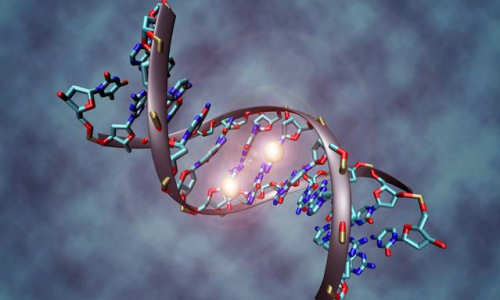
Epigenetic tie to neuropsychiatric disorders found

This epigenetic alteration of gene activity in brain cells that receive this neurotransmitter showed for the first time that dopamine deficiencies can affect a variety of behavioral and physiological functions regulated in the prefrontal cortex.

The study, led by Emiliana Borrelli, a UCI professor of microbiology & molecular genetics, appears online in the journal Molecular Psychiatry.

“Our work presents new leads to understanding neuropsychiatric disorders,” Borrelli said. “Genes previously linked to schizophrenia seem to be dependent on the controlled release of dopamine at specific locations in the brain. Interestingly, this study shows that altered dopamine levels can modify gene activity through epigenetic mechanisms despite the absence of genetic mutations of the DNA.”

Dopamine is a neurotransmitter that acts within certain brain circuitries to help manage functions ranging from movement to emotion. Changes in the dopaminergic system are correlated with cognitive, motor, hormonal and emotional impairment. Excesses in dopamine signaling, for example, have been identified as a trigger for neuropsychiatric disorder symptoms.

Borrelli and her team wanted to understand what would happen if dopamine signaling was hindered. To do this, they used mice that lacked dopamine receptors in midbrain neurons, which radically affected regulated dopamine synthesis and release.

The researchers discovered that this receptor mutation profoundly altered gene expression in neurons receiving dopamine at distal sites in the brain, specifically in the prefrontal cortex. Borrelli said they observed a remarkable decrease in expression levels of some 2,000 genes in this area, coupled with a widespread increase in modifications of basic DNA proteins called histones – particularly those associated with reduced gene activity.

Borrelli further noted that the dopamine receptor-induced reprogramming led to psychotic-like behaviors in the mutant mice and that prolonged treatment with a dopamine activator restored regular signaling, pointing to one possible therapeutic approach.

The researchers are continuing their work to gain more insights into the genes altered by this dysfunctional dopamine signaling.

Story Source:

The above story is based on materials provided by UC Irvine.
Share13Tweet8Share2ShareShareShare2

Related Posts

Epigenetic Breakthrough: First Tool to Study Histone Code

February 10, 2015

Tumor weaknesses in epigenetics

August 30, 2014

Epigenetic breakthrough bolsters understanding of Alzheimer’s disease

August 18, 2014

Epigenetics has large say in blood formation

August 11, 2014
Please login to join discussion

POPULAR NEWS

  • Robotic Ureteral Reconstruction: A Novel Approach

    Robotic Ureteral Reconstruction: A Novel Approach

    82 shares
    Share 33 Tweet 21
  • Digital Privacy: Health Data Control in Incarceration

    63 shares
    Share 25 Tweet 16
  • Study Reveals Lipid Accumulation in ME/CFS Cells

    57 shares
    Share 23 Tweet 14
  • Breakthrough in RNA Research Accelerates Medical Innovations Timeline

    53 shares
    Share 21 Tweet 13

About

We bring you the latest biotechnology news from best research centers and universities around the world. Check our website.

Follow us

Recent News

Decoding Prostate Cancer Origins via snFLARE-seq, mxFRIZNGRND

Digital Health Perspectives from Baltic Sea Experts

Florida Cane Toad: Complex Spread and Selective Evolution

Subscribe to Blog via Email

Enter your email address to subscribe to this blog and receive notifications of new posts by email.

Join 73 other subscribers
  • Contact Us

Bioengineer.org © Copyright 2023 All Rights Reserved.

Welcome Back!

Login to your account below

Forgotten Password?

Retrieve your password

Please enter your username or email address to reset your password.

Log In
No Result
View All Result
  • Homepages
    • Home Page 1
    • Home Page 2
  • News
  • National
  • Business
  • Health
  • Lifestyle
  • Science

Bioengineer.org © Copyright 2023 All Rights Reserved.