Credit: LSU Health New Orleans Neuroscience Center of Excellence
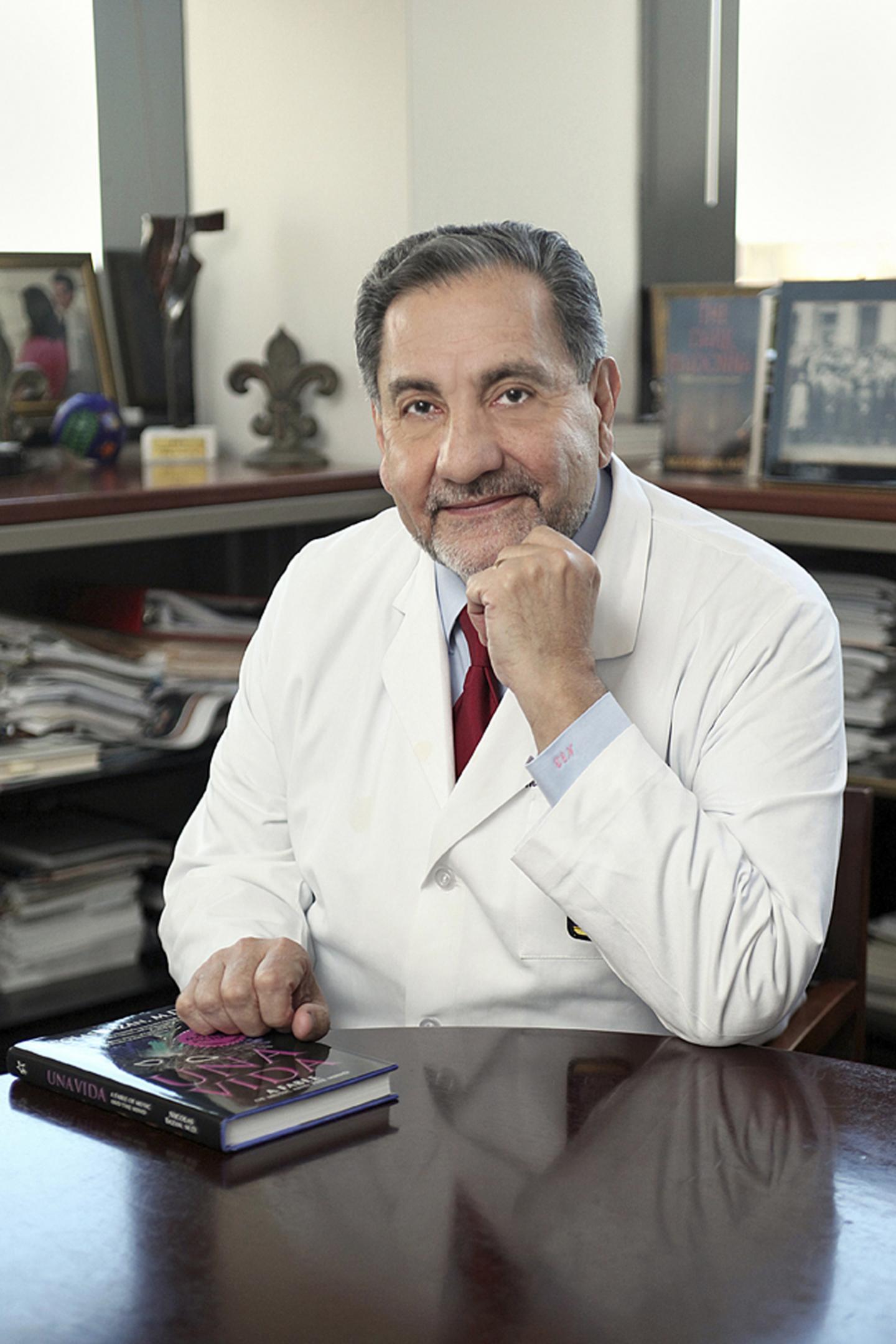
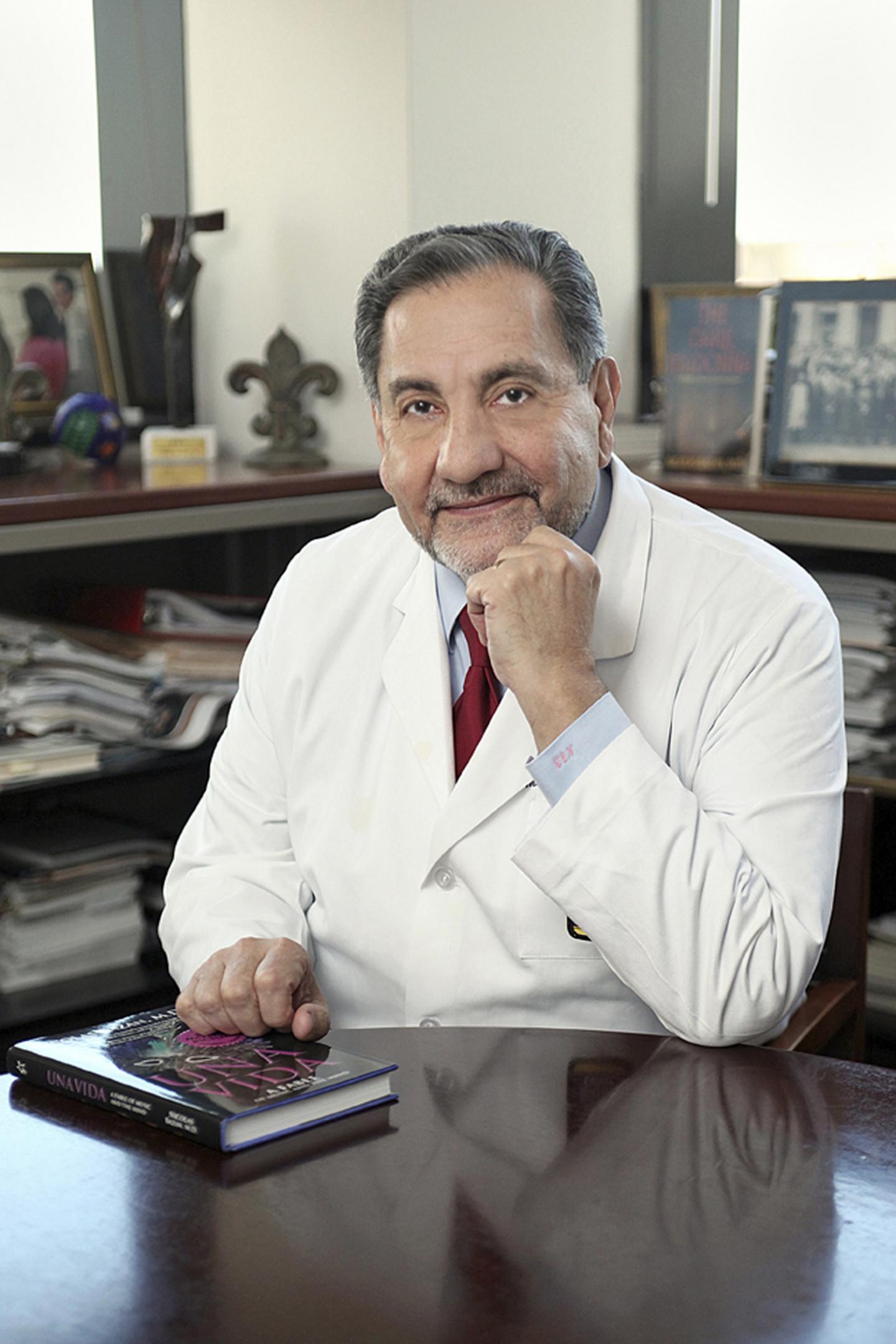
New Orleans, LA – Research led by Nicolas Bazan, MD, PhD, Boyd Professor and Director of the Neuroscience Center of Excellence at LSU Health New Orleans, has discovered a new class of molecules in the brain that synchronize cell-to-cell communication and neuroinflammation/immune activity in response to injury or diseases. Elovanoids (ELVs) are bioactive chemical messengers made from omega-3 very long chain polyunsaturated fatty acids (VLC-PUFAs,n-3). They are released on demand when cells are damaged or stressed.
"Although we knew about messengers from omega-3 fatty acids such as neuroprotectin D1 (22 carbons) before, the novelty of the present discovery is that elovanoids are made of 32 to 34 carbon atoms in length," notes Nicolas Bazan, MD, PhD, Boyd Professor and Director of the Neuroscience Center of Excellence at LSU Health New Orleans. "We expect that these structures will profoundly increase our understanding of cellular cross talk to sustain neuronal circuitry and particularly to restore cell equilibrium after pathological insults."
Working in neuronal cell cultures from the cerebral cortex and from the hippocampus and a model of ischemic stroke, the researchers found that elovanoids not only protected neuronal cells and promoted their survival, but helped maintain their integrity and stability. The work is published in Science Advances, available http://advances.sciencemag.org/content/3/9/e1700735 .
"Our findings represent a breakthrough in the understanding of how the complexity and resiliency of the brain are sustained when confronted with adversities such as stroke, Parkinson's or Alzheimer's and neuroprotection signaling needs to be activated," says Dr. Bazan. "A key factor is how neurons communicate among themselves. These novel molecules participate in communicating messages to overall synaptic organization to ensure an accurate flow of information through neuronal circuits. We know how neurons make synaptic connections with other neurons, however these connections have to be malleable to change strength appropriately. Elovanoids might play a central role as synaptic organizers, especially important in conditions resulting from synaptic dysfunction such as autism or amyotropic lateral sclerosis, for which we have no therapeutic answers."
Although the occurrence of very long chain polyunsaturated fatty acids has been well documented, what has not been known is their significance and potential to be converted into biochemical triggers to resolve injury, inflammation and other threats to neuronal communication and cell survival.
The researchers discovered the structure and characteristics of two elovanoids – ELV-N32 and ELV-N34 – in the brain. Starting with neuron cell cultures and then an experimental model of stroke, they found that elovanoids were activated when cells underwent either oxygen/glucose deprivation or excitotoxicity – early events associated with stroke, epilepsy, Parkinson's, traumatic brain injury and other neurodegenerative diseases. They determined the concentrations and therapeutic windows at which elovanoids conferred neuroprotection. The team found that elovanoids overcame the damaging effects and toxicity of these early events. In the stroke model, elovanoids reduced the size of the damaged brain area, initiated repair mechanisms and improved neurological/behavioral recovery.
"Our findings provide a major conceptual advance of broad relevance for neuronal cell survival and brain function, particularly in regards to ischemic stroke," adds Bazan. "In the near future, we hope to apply this knowledge to prevent traumatic brain injury, chronic traumatic encephalopathy, stroke and neurodegenerative diseases. Elovanoids may offer an answer to be tested as a potential therapy."
###
Bazan's co-authors include Jessica Heap, Shawn J. Marcell and Larissa Khoutorova, as well as Drs. Surjyadipta Bhattacharjee, Bokkyoo Jun, Ludmila Belayev, Marie-Audrey Kautzmann and Hemant Menghani at LSU Health New Orleans; Dr. Andre Obenaus at the University of California, Irvine; and Drs. Rong Yang and Nicos A. Petasis at the University of Southern California, Los Angeles.
The research was supported by National Institutes of Health grants GM103340 from the National Institute of General Medical Sciences and NS046741 from the National Institute of Neurological Disorders and Stroke, the EENT Foundation, as well as the Arthur C. Cope Scholar Fund administered by the American Chemical Society.
LSU Health Sciences Center New Orleans educates Louisiana's health care professionals. The state's health sciences university leader, LSU Health New Orleans includes a School of Medicine, the state's only School of Dentistry, Louisiana's only public School of Public Health, and Schools of Allied Health Professions, Nursing, and Graduate Studies. LSUHSC faculty take care of patients in public and private hospitals and clinics throughout the region. In the vanguard of biosciences research in a number of areas in a worldwide arena, the LSUHSC research enterprise generates jobs and enormous economic impact. LSUHSC faculty have made lifesaving discoveries and continue to work to prevent, advance treatment, or cure disease. To learn more, visit http://www.lsuhsc.edu, http://www.twitter.com/LSUHealthNO or http://www.facebook.com/LSUHSC.
Media Contact
Leslie Capo
[email protected]
504-568-4806
@LSUHealthNO
http://www.lsuhsc.edu/
Original Source
http://lsuh.sc/nr?a=57 http://dx.doi.org/10.1126/sciadv.1700735