Sub-inhibitory exposure to colistin, a last-resort antibiotic for multidrug-resistant Gram-negative infections, produces complex and strain-specific physiological changes in environmental Pseudomonas species, according to a peer-reviewed study published 23 October 2026 in Microbial Ecology by Wioleta Lewandowska and colleagues. The study combined comparative genomics with phenotypic testing on environmental Pseudomonas isolates and found that colistin exposure modulated biofilm formation and altered cell-surface electrokinetic properties in ways that varied substantially from strain to strain.
The team selected environmental Pseudomonas isolates that showed distinct patterns of genomic similarity in average nucleotide identity (ANI) analysis, then tested how each responded to colistin in the laboratory. Susceptibility profiling revealed substantial heterogeneity: the isolates displayed a range of colistin susceptibility profiles rather than a uniform response, underscoring the diversity within this single environmental genus.
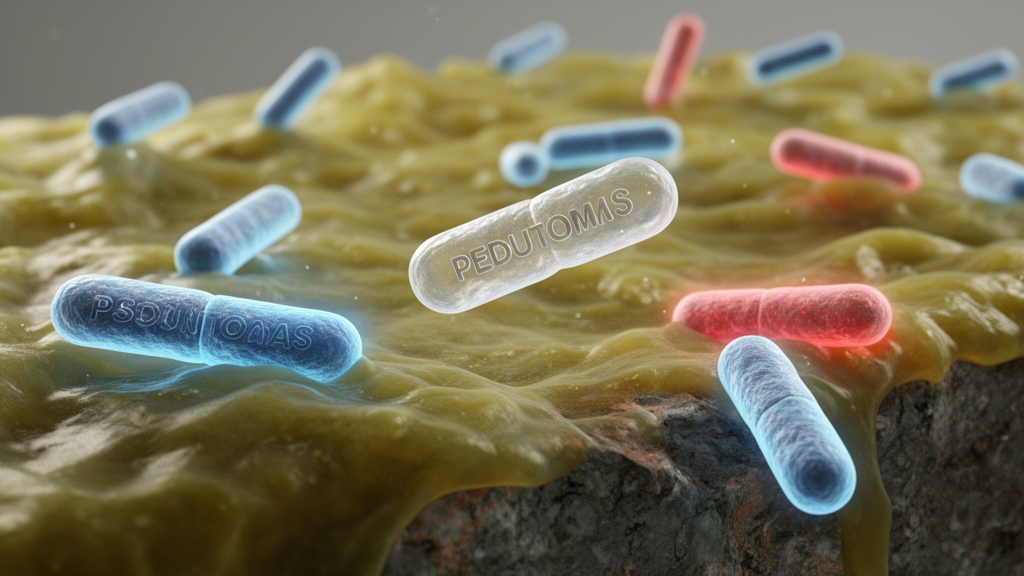
When the researchers exposed the bacteria to sub-inhibitory concentrations of colistin, meaning doses below the level that inhibits growth, biofilm formation was significantly modulated, and the direction of the effect depended on the strain. Some isolates enhanced biofilm synthesis under colistin pressure, while others inhibited it. The authors present this as a strain-dependent bifurcation in response, demonstrating that a single antibiotic can push closely related environmental bacteria toward opposite physiological outcomes.
Electrokinetic analysis, which measures the effective charge of the bacterial cell surface, revealed pronounced alterations following colistin exposure. The colistin-susceptible strains showed increased negative surface charge after exposure, consistent with dynamic remodeling of the cell envelope. The resistant isolates, by contrast, exhibited more limited and concentration-dependent shifts in surface charge. The study reports these as measured differences between susceptibility groups, without asserting a specific molecular mechanism behind them.
Whole-genome sequencing of the isolates identified a broad repertoire of genes potentially associated with antimicrobial resistance. These included genes involved in efflux systems, membrane modification, and heavy-metal resistance. The authors present these as genes potentially associated with resistance identified by sequencing, not as confirmed functional resistance mechanisms demonstrated experimentally in the study.
The study’s central conclusion is that colistin’s effects on bacteria extend beyond its antimicrobial activity. Exposure induced complex, strain-specific physiological responses involving dynamic remodeling of the bacterial cell envelope and associated surface properties, meaning that even sub-lethal drug concentrations can reshape measurable physical characteristics of surviving cells.
The findings come from environmental isolates studied in vitro, so they characterize physiological responses under laboratory conditions rather than outcomes in treated patients. The authors note that while the genetic determinants of colistin resistance have been extensively studied, the functional and physiological responses of bacteria to colistin exposure remain incompletely understood, a gap this strain-level comparison of genomics and phenotypes is intended to narrow.
Subject of Research: Phenotypic and genomic responses of environmental Pseudomonas isolates to colistin exposure
Article Title: Colistin Affects Biofilm Formation and the Electrokinetic Potential Profile in Environmental Pseudomonas spp.: Comparative Genomics and Phenotypic Analysis
Article References: Wioleta, L., Ewa, O.-G., Justyna, D. M., & Izabela, Ś. (2026). Colistin Affects Biofilm Formation and the Electrokinetic Potential Profile in Environmental Pseudomonas spp.: Comparative Genomics and Phenotypic Analysis. Microbial Ecology. https://doi.org/10.1007/s00248-026-02917-w
Image Credits: AI Generated
DOI: 10.1007/s00248-026-02917-w
Keywords: colistin, Pseudomonas, biofilm formation, antimicrobial resistance, electrokinetic potential, cell surface charge, whole-genome sequencing, sub-inhibitory concentration, cell envelope, environmental isolates, comparative genomics, Affects
News Source: Drew Townsend. (October 23, 2026). Colistin Reshapes Biofilms and Cell-Surface Charge in Environmental Pseudomonas. Scienmag.