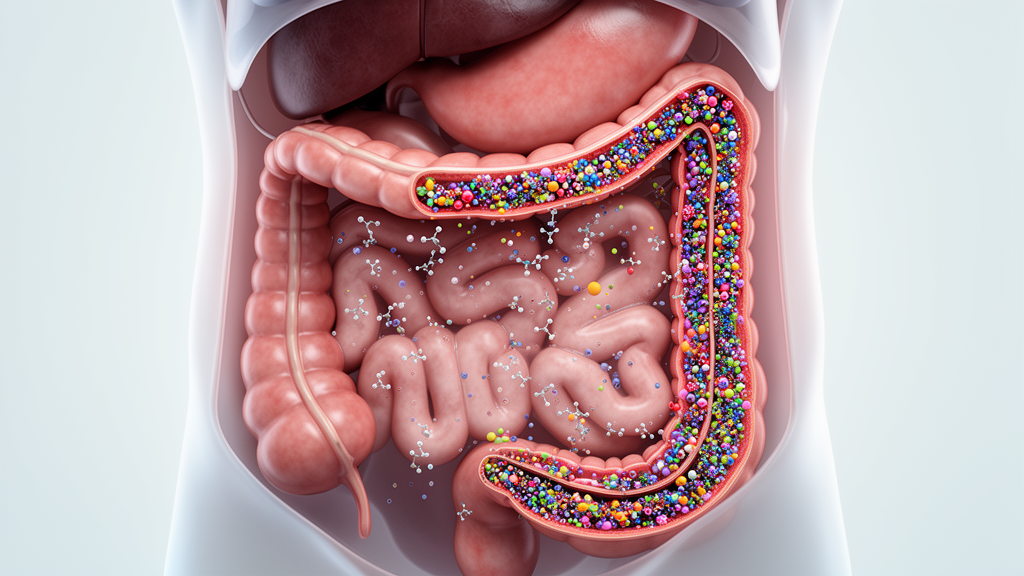
A review in the Journal of Translational Medicine identifies changes in gut microbiota and their metabolites as possible contributors to radiation enteritis, a frequent and potentially debilitating complication of radiotherapy for pelvic or abdominal malignancies. The authors summarize how ionizing radiation may alter microbial composition and metabolic output, while cautioning that the evidence does not yet establish a metabolite or microbiota-based treatment as a proven clinical solution. Evidence assessed by the review indicates that radiotherapy is associated with measurable shifts in the gut microbiota of cancer patients.
These changes commonly include depletion of potentially protective taxa such as Bifidobacterium and Clostridium , together with expansion of Enterobacteriaceae . Changes in Bacteroidetes differ between cohorts, showing that radiation-associated patterns are not uniform across patients. The biological rationale centers on the metabolic capacity of gut microbes, whose collective ability to process substrates exceeds that of human cells.
By converting dietary fibers, polyphenols and other substrates, these microorganisms produce bioactive compounds including short-chain fatty acids, urolithins and indole derivatives. The review says such metabolites may help maintain intestinal barrier integrity and modulate immuno-inflammatory responses. They may also exert systemic physiological effects through gut-organ axes, making them plausible mediators of host responses to radiation.
These are mechanistic possibilities rather than demonstrated clinical effects in people with radiation enteritis. Research interest has consequently extended to both microbiota modulation and the metabolites produced by microbial communities. The review evaluates recent advances in the radioprotective properties of these compounds and current therapeutic interventions that seek to alter the microbiota.
Translation remains difficult because metabolic responses vary substantially between individuals, some mechanisms remain disputed, and experimental work raises ethical considerations. The authors argue that integrated multi-omics studies could clarify the relevant pathways, but that well-controlled clinical trials are still needed to distinguish correlation from causation and to test whether targeted prevention or treatment strategies are effective. The scope of the evidence is that of a review rather than a new clinical trial.
Radiation enteritis can significantly impair quality of life and adherence to treatment in patients receiving radiotherapy for pelvic or abdominal cancers, but the review does not establish that a particular probiotic, supplement or dietary approach protects against intestinal injury. Instead, it provides a cautious framework for developing radioprotective agents and precision interventions based on gut microbial metabolism. Its central assessment is that the microbiota-metabolite connection is an active area of investigation, while individual variability, unresolved mechanisms and limited controlled human evidence prevent microbiota-directed care from being presented as established care.
Subject of Research: Gut microbial metabolites as potential mechanisms and therapeutic targets in radiation enteritis
Article Title: Gut microbiota metabolites: mechanistic insights and therapeutic strategies for radiation enteritis
Article References: Xie, L.-W., Liu, H.-Y., Shen, Y.-T., Zhu, Y.-Q., & Peng, Q.-L. (2026). Gut microbiota metabolites: mechanistic insights and therapeutic strategies for radiation enteritis. Journal of Translational Medicine. https://doi.org/10.1186/s12967-026-09088-9
Image Credits: AI Generated
DOI: 10.1186/s12967-026-09088-9
Keywords: radiation enteritis, gut microbiome, microbiota metabolites, radiotherapy, short-chain fatty acids, bile acids, tryptophan derivatives, intestinal barrier, multi-omics, radioprotection, microbiota, metabolites
News Source: Morgan Morrow. (October 22, 2026). Review examines gut microbial metabolites in radiation enteritis. Scienmag.