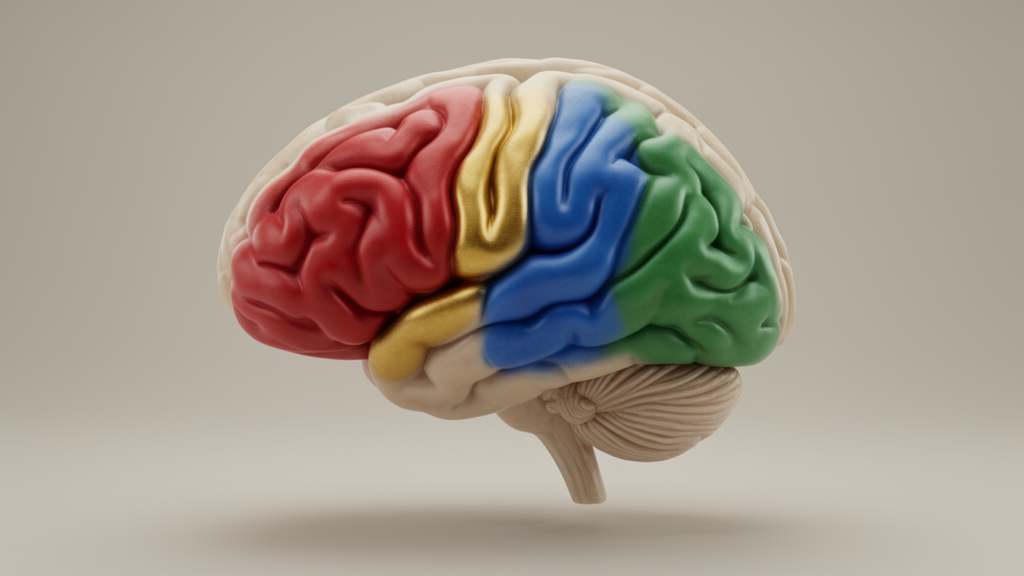
The human insula is not a single sensory processing area but a set of regions specialized for different kinds of bodily information and conscious experience, according to a study of 87 participants who underwent intracranial electrical stimulation. Combining direct stimulation with task-based electroencephalography and connectivity mapping in a cytoarchitectonic atlas, the researchers identified four broad functional regions: a dorsal–posterior area for spatially organized nociceptive, thermoceptive and somatosensory signals; a ventral–posterior area that receives somatic information from multiple body parts; a mid-anterior area associated with visceral sensations and anxiety states; and an anterior–polar area that responded strongly to salience detection and changes in action mode but was largely silent during direct stimulation.
Direct electrical stimulation made it possible to distinguish subjective responses associated with particular parts of the insula, while electroencephalography recorded how those responses related to activity during tasks. The most clearly organized signals appeared in the dorsal–posterior region, where responses to pain, temperature and other sensations could be linked to different parts of the body. The ventral–posterior region also carried somatic information, but its responses were described as having access to signals from several body parts rather than forming the same tightly somatotopic pattern. These findings indicate that neighboring parts of the posterior insula contribute to bodily sensation in different ways.
The anterior half of the insula showed a different functional profile. The mid-anterior region was associated with visceral sensations and anxiety states, while the most anterior and polar region was comparatively unresponsive to direct stimulation. That apparent silence did not mean the region was inactive. Instead, task recordings revealed robust activation when participants detected something salient or changed their mode of action. The contrast is important because it separates responses elicited by artificial stimulation from activation that occurs naturally during attention-demanding tasks.
Connectivity analysis revealed an asymmetric relationship between the anterior–polar region and the rest of the insula. This anterior region had strong, direct influence over the other insular regions and strong connections with the prefrontal cortex, including the anterior cingulate cortex. The reverse direction was weaker and more indirect: the other regions provided comparatively less-strong indirect inputs to the anterior–polar area. In electrophysiological terms, the observed pathway was directed rather than reciprocal, with the anterior region positioned to exert substantial influence over posterior and mid-insular activity.
The study therefore links the insula’s microscopic cytoarchitecture to its larger pattern of directed and asymmetric electrophysiological interactions. Its four-part organization offers a more detailed account of how the insula can process bodily signals, visceral experience, anxiety, salient events and changes in action. The directional influence from the anterior–polar region also supplies a plausible electrophysiological pathway through which cognitive processes could modulate pain and interoceptive experience. This is a mechanistic explanation supported by intracranial stimulation and recordings, not a demonstration that a specific stimulation target can be used to treat pain or another clinical condition.
Subject of Research: Functional organization and directed connectivity of the human insular cortex
Article Title: Functional architecture of the human insula
Article References: Quabs, J., Pantis, S., Chen, G., Huang, W., Ma, E., del Vecchio, M., Lyu, D., Wang, C., Avanzini, P., Buch, V., Ramayya, A. G., Caspers, S., Vogel, H., & Parvizi, J. (2026). Functional architecture of the human insula. Nature. https://doi.org/10.1038/s41586-026-11175-2
Image Credits: AI Generated
DOI: 10.1038/s41586-026-11175-2
Keywords: human insula, intracranial stimulation, electroencephalography, interoception, pain processing, cytoarchitecture, brain connectivity, salience detection, anxiety, visceral sensation, Functional, architecture
News Source: Denise Maddox. (October 22, 2026). Human insula resolves into four functionally distinct regions. Scienmag.