• HOME
  • NEWS
  • EXPLORE
    • CAREER
      • Companies
      • Jobs
    • EVENTS
    • iGEM
      • News
      • Team
    • PHOTOS
    • VIDEO
    • WIKI
  • BLOG
  • COMMUNITY
    • FACEBOOK
    • INSTAGRAM
    • TWITTER
Saturday, July 11, 2026
BIOENGINEER.ORG
No Result
View All Result
  • Login
  • HOME
  • NEWS
  • EXPLORE
    • CAREER
      • Companies
      • Jobs
        • Lecturer
        • PhD Studentship
        • Postdoc
        • Research Assistant
    • EVENTS
    • iGEM
      • News
      • Team
    • PHOTOS
    • VIDEO
    • WIKI
  • BLOG
  • COMMUNITY
    • FACEBOOK
    • INSTAGRAM
    • TWITTER
  • HOME
  • NEWS
  • EXPLORE
    • CAREER
      • Companies
      • Jobs
        • Lecturer
        • PhD Studentship
        • Postdoc
        • Research Assistant
    • EVENTS
    • iGEM
      • News
      • Team
    • PHOTOS
    • VIDEO
    • WIKI
  • BLOG
  • COMMUNITY
    • FACEBOOK
    • INSTAGRAM
    • TWITTER
No Result
View All Result
Bioengineer.org
No Result
View All Result
Home NEWS Science News Biology

How tails help geckos and other vertebrates make great strides

Bioengineer by Bioengineer
September 7, 2017
in Biology
Reading Time: 2 mins read
0
Share on FacebookShare on TwitterShare on LinkedinShare on RedditShare on Telegram
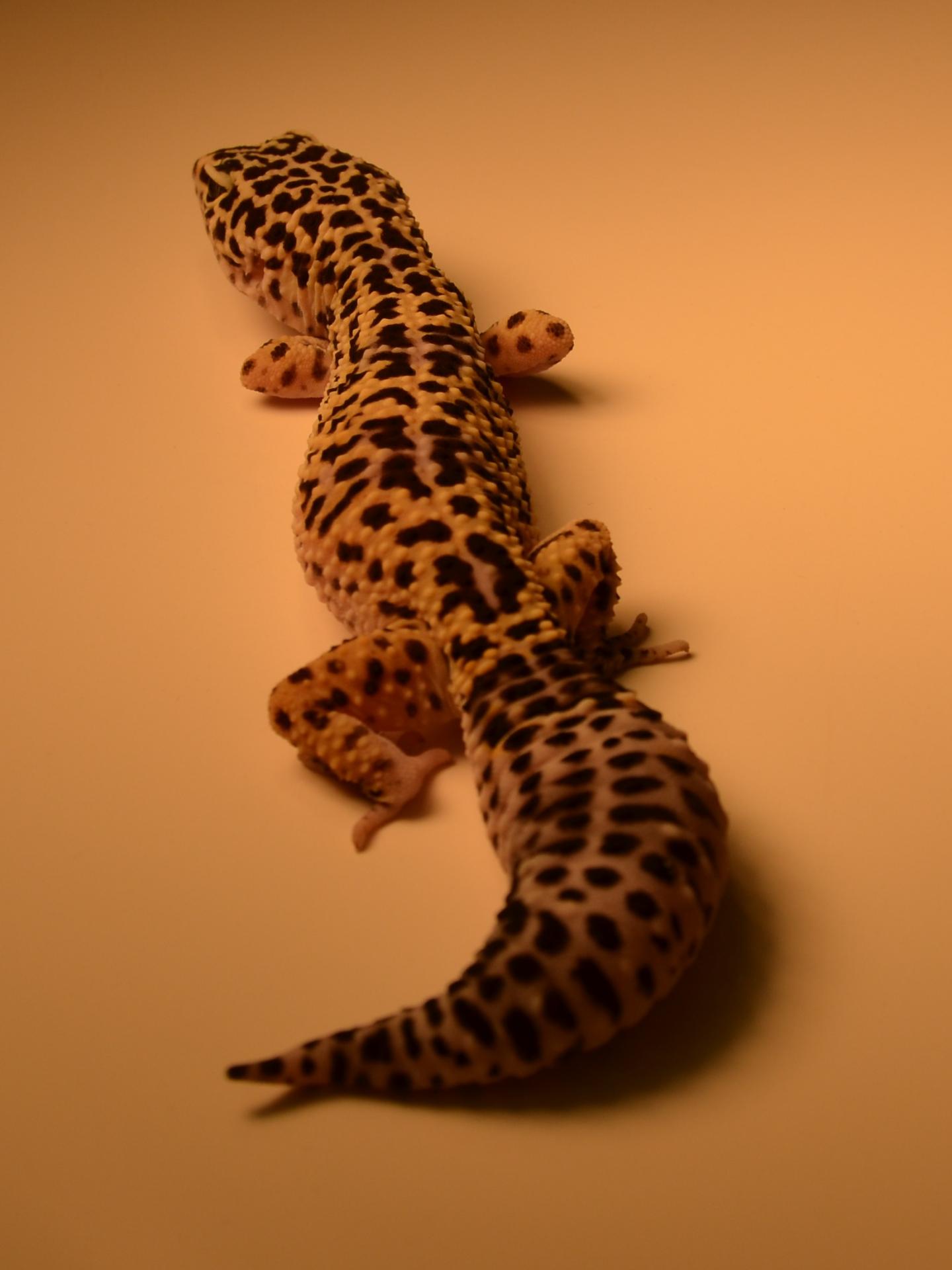
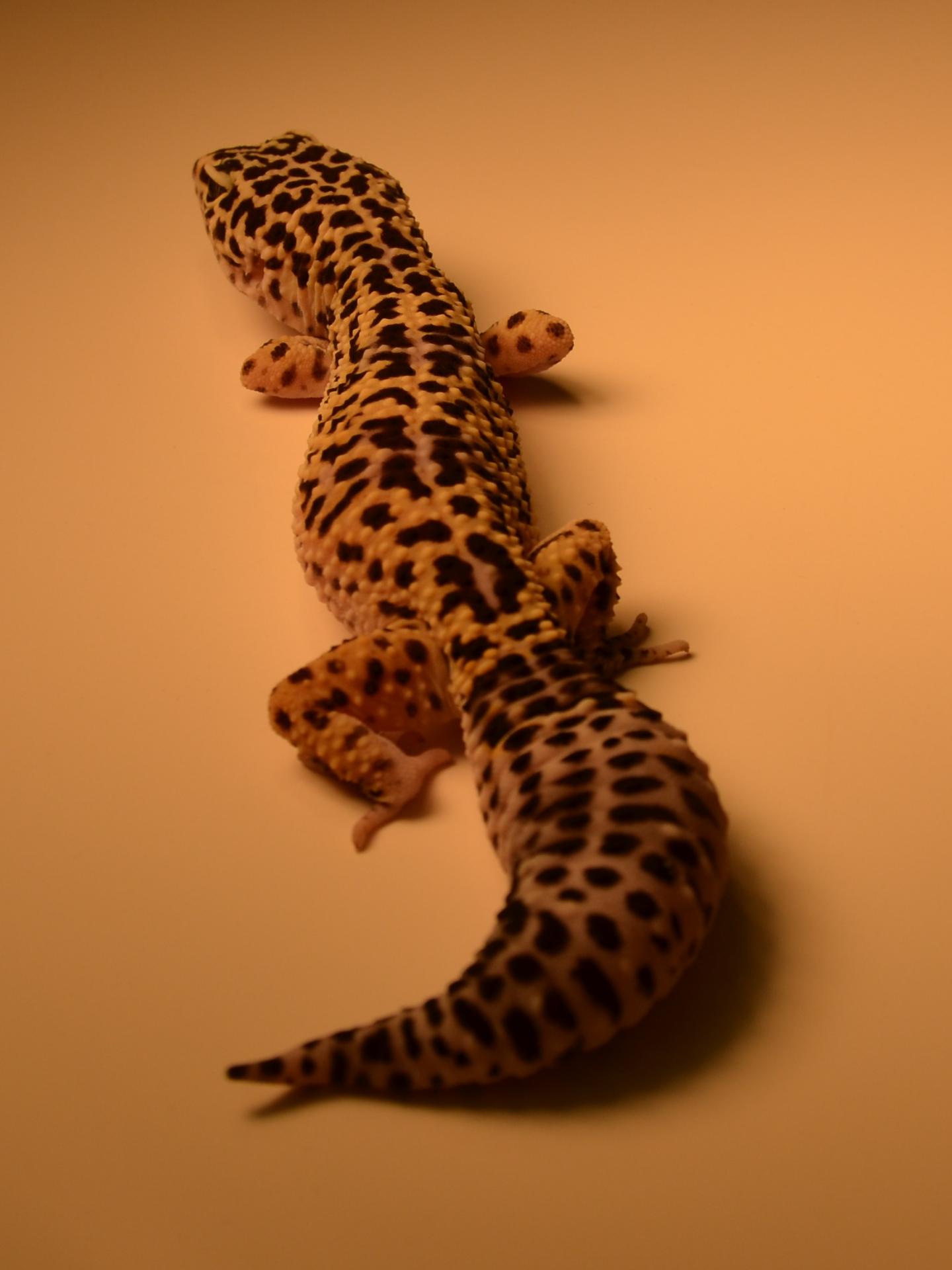
IMAGE

Credit: UC Riverside

RIVERSIDE, Calif. — A wagging tail is often associated with dogs' emotions, but the side-to-side motion may also help them take longer strides and move faster, according to a study by researchers at the University of California, Riverside.

The research was done on leopard geckos, which are ideal animals for the study of tail function because they naturally lose their tails as a defense mechanism against predators in a process called autotomy.

In the study, which was published today in Scientific Reports, the researchers compared geckos with an intact tail to geckos that had either lost their tail through autonomy or whose tail movements were restricted using a graphite rod that eliminated side-to-side motions. This process allowed researchers to account for weight differences and the shift in the center of mass associated with tail autotomy – geckos lose up to 30 percent of their body mass when they drop their tails.

The researchers found that disrupting the horizontal undulations of the geckos' tails limited the rotation of their pelvis, which ultimately decreased step length.

Titled "Lateral Movements of a Massive Tail Influence Gecko Locomotion: An Integrative Study Comparing Tail Restriction and Autotomy," the study's authors are Timothy Higham, an associate professor of evolution, ecology, and organismal biology in UCR's College of Natural and Agricultural Sciences, and Kevin Jagnandan, a research associate at Chapman University who completed the study as a graduate student in Higham's lab.

Higham said the results demonstrate a role for tail undulations in geckos that is likely applicable to many terrestrial animals with tails.

"We know that tails have a number of important functions, such as fat storage in lizards and balance and stability in cats," Higham said. "This research suggests another role for tails, which is in increasing step length and ultimately speed."

###

Media Contact

Sarah Nightingale
[email protected]
951-827-4580
@UCRiverside

http://www.ucr.edu

Original Source

https://ucrtoday.ucr.edu/48808 http://dx.doi.org/10.1038/s41598-017-11484-7

Share12Tweet8Share2ShareShareShare2

Related Posts

Han directs new $15M NIH center for organ-on-chip technology

Han directs new $15M NIH center for organ-on-chip technology

July 11, 2026
Bacteriophages Enable Next-Gen Smart Pathogen Detection Sensors

Bacteriophages Enable Next-Gen Smart Pathogen Detection Sensors

July 10, 2026

Temperature Fluctuations Have Greater Impact Than Previously Believed

July 10, 2026

New Study Uncovers Biology Behind Glioma Cancer Progression

July 10, 2026
Please login to join discussion

POPULAR NEWS

  • Detection of EDCs in Breast Milk and Infant Urine Up to Six Months Highlights Early Exposure Risks

    77 shares
    Share 31 Tweet 19
  • New Drug Candidate Developed at McMaster Shows Potential for Treating Brain Cancer

    58 shares
    Share 23 Tweet 15
  • KTU Researchers Explore Ultrasound’s Role in Enhancing Blood Flow Beyond Diagnostics

    53 shares
    Share 21 Tweet 13
  • 高齢者の骨粗鬆症治療の持続性比較

    51 shares
    Share 20 Tweet 13

About

We bring you the latest biotechnology news from best research centers and universities around the world. Check our website.

Follow us

Recent News

TP53 Mutation Triggers CD8+ T Cell Exhaustion Causing Therapy-Resistant Urothelial Cancer

Transient Simulation Advances in Bioresorbable Flexible Electronic Circuits

Evaluating Geriatric Assessment and Interventions for Prostate Cancer Patients on ADT

Subscribe to Blog via Email

Enter your email address to subscribe to this blog and receive notifications of new posts by email.

Join 85 other subscribers
  • Contact Us

Bioengineer.org © Copyright 2023 All Rights Reserved.

Welcome Back!

Login to your account below

Forgotten Password?

Retrieve your password

Please enter your username or email address to reset your password.

Log In
No Result
View All Result
  • Homepages
    • Home Page 1
    • Home Page 2
  • News
  • National
  • Business
  • Health
  • Lifestyle
  • Science

Bioengineer.org © Copyright 2023 All Rights Reserved.