• HOME
  • NEWS
  • EXPLORE
    • CAREER
      • Companies
      • Jobs
    • EVENTS
    • iGEM
      • News
      • Team
    • PHOTOS
    • VIDEO
    • WIKI
  • BLOG
  • COMMUNITY
    • FACEBOOK
    • INSTAGRAM
    • TWITTER
Saturday, July 11, 2026
BIOENGINEER.ORG
No Result
View All Result
  • Login
  • HOME
  • NEWS
  • EXPLORE
    • CAREER
      • Companies
      • Jobs
        • Lecturer
        • PhD Studentship
        • Postdoc
        • Research Assistant
    • EVENTS
    • iGEM
      • News
      • Team
    • PHOTOS
    • VIDEO
    • WIKI
  • BLOG
  • COMMUNITY
    • FACEBOOK
    • INSTAGRAM
    • TWITTER
  • HOME
  • NEWS
  • EXPLORE
    • CAREER
      • Companies
      • Jobs
        • Lecturer
        • PhD Studentship
        • Postdoc
        • Research Assistant
    • EVENTS
    • iGEM
      • News
      • Team
    • PHOTOS
    • VIDEO
    • WIKI
  • BLOG
  • COMMUNITY
    • FACEBOOK
    • INSTAGRAM
    • TWITTER
No Result
View All Result
Bioengineer.org
No Result
View All Result
Home NEWS Science News Biology

New book on The Biology of Exercise from Cold Spring Harbor Laboratory Press

Bioengineer by Bioengineer
September 1, 2017
in Biology
Reading Time: 2 mins read
0
Share on FacebookShare on TwitterShare on LinkedinShare on RedditShare on Telegram
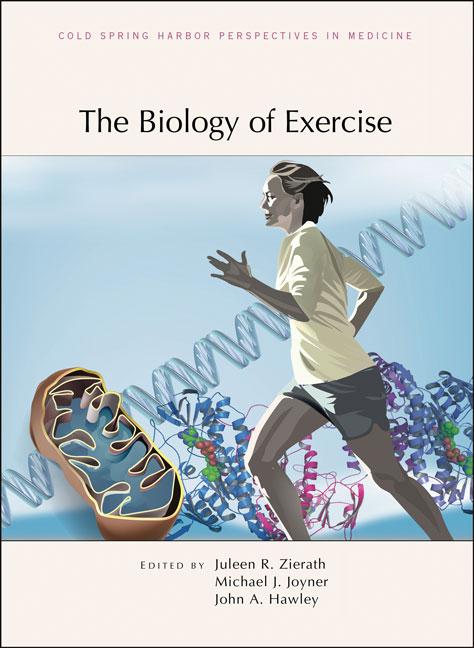
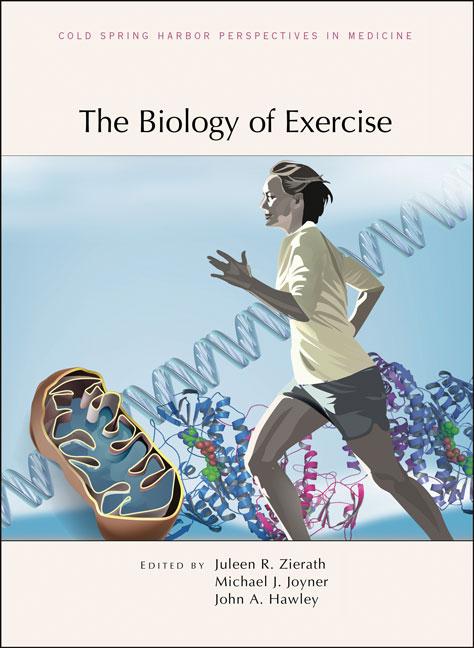
IMAGE

Credit: Illustration created by Romain Barres, The Novo Nordisk Foundation Center for Basic Metabolic Research, University of Copenhagen.

Cold Spring Harbor, NY – Cold Spring Harbor Laboratory Press (CSHLP) today announced the release of The Biology of Exercise, available on its website in hardcover, paperback, and ebook formats.

Exercise training provokes widespread transformations in the human body, requiring coordinated changes in muscle composition, blood flow, neuronal and hormonal signaling, and metabolism. These changes enhance physical performance, improve mental health, and delay the onset of aging and disease. Understanding the molecular basis of these changes is therefore important for optimizing athletic ability and for developing drugs that elicit therapeutic effects.

Written and edited by experts in the field, The Biology of Exercise from Cold Spring Harbor Perspectives in Medicine examines the biological basis of exercise from the molecular to the systemic levels. Contributors discuss how transcriptional regulation, cytokine and hormonal signaling, glucose metabolism, epigenetic modifications, microRNA profiles, and mitochondrial and ribosomal functions are altered in response to exercise training, leading to improved skeletal muscle, hippocampal, and cardiovascular function. Cross talk among the pathways underlying tissue-specific and systemic responses to exercise is also considered.

The authors also discuss how the understanding of such molecular mechanisms may lead to the development of drugs that mitigate aging and disease. This volume will therefore serve as a vital reference for all involved in the fields of sports science and medicine, as well as anyone seeking to understand the molecular mechanisms by which exercise promotes whole-body health.

Please visit our website to access free samples and for further information on this title.

###

Media Contact

Robert Redmond
[email protected]
516-422-4101

Cold Spring Harbor Laboratory – Advancing the frontiers of biology through education and research

Original Source

http://cshlpress.com/default.tpl?action=full&src=pdf&–eqskudatarq=1178
Share12Tweet8Share2ShareShareShare2

Related Posts

Han directs new $15M NIH center for organ-on-chip technology

Han directs new $15M NIH center for organ-on-chip technology

July 11, 2026
Bacteriophages Enable Next-Gen Smart Pathogen Detection Sensors

Bacteriophages Enable Next-Gen Smart Pathogen Detection Sensors

July 10, 2026

Temperature Fluctuations Have Greater Impact Than Previously Believed

July 10, 2026

New Study Uncovers Biology Behind Glioma Cancer Progression

July 10, 2026
Please login to join discussion

POPULAR NEWS

  • Detection of EDCs in Breast Milk and Infant Urine Up to Six Months Highlights Early Exposure Risks

    77 shares
    Share 31 Tweet 19
  • New Drug Candidate Developed at McMaster Shows Potential for Treating Brain Cancer

    58 shares
    Share 23 Tweet 15
  • KTU Researchers Explore Ultrasound’s Role in Enhancing Blood Flow Beyond Diagnostics

    53 shares
    Share 21 Tweet 13
  • 高齢者の骨粗鬆症治療の持続性比較

    51 shares
    Share 20 Tweet 13

About

BIOENGINEER.ORG

We bring you the latest biotechnology news from best research centers and universities around the world. Check our website.

Follow us

Recent News

Study Finds Dopamine System Damage in Long COVID Patients’ Brains

HMGA Proteins Linked to Brain Tumors and Neurodegenerative Diseases

Physical Activity Lowers Frailty Risk in Older Adults: Review and Analysis

Subscribe to Blog via Email

Success! An email was just sent to confirm your subscription. Please find the email now and click 'Confirm' to start subscribing.

Join 84 other subscribers
  • Contact Us

Bioengineer.org © Copyright 2023 All Rights Reserved.

Welcome Back!

Login to your account below

Forgotten Password?

Retrieve your password

Please enter your username or email address to reset your password.

Log In
No Result
View All Result
  • Homepages
    • Home Page 1
    • Home Page 2
  • News
  • National
  • Business
  • Health
  • Lifestyle
  • Science

Bioengineer.org © Copyright 2023 All Rights Reserved.