In 2020, an outbreak of cercarial dermatitis — an intensely itchy skin condition often called swimmer’s itch — struck communities in Chana district, Songkhla Province, in southern Thailand. The culprit was identified as Schistosoma indicum, a blood fluke of ruminants, released from its snail intermediate host Indoplanorbis exustus. But a new year-long survey of freshwater pulmonate snails across five southern provinces suggests the outbreak area harbors a far richer community of parasitic flukes than a single schistosome species, with three snail species acting as carriers of at least eight trematode species spanning five distinct cercarial types.
Researchers from the Parasitology and Medical Malacology Research Unit at Silpakorn University collected 1,175 pulmonate snails between October 2021 and October 2022 from 27 locations in Chumphon, Surat Thani, Nakhon Si Thammarat, Phatthalung, and Songkhla provinces. Sampling focused on paddy fields, streams, and irrigation canals, using hand picking and stainless-steel scoops, with each site georeferenced by GPS. The specimens were transported to aerated tanks and identified in the laboratory according to shell morphology using established Thai taxonomic keys.
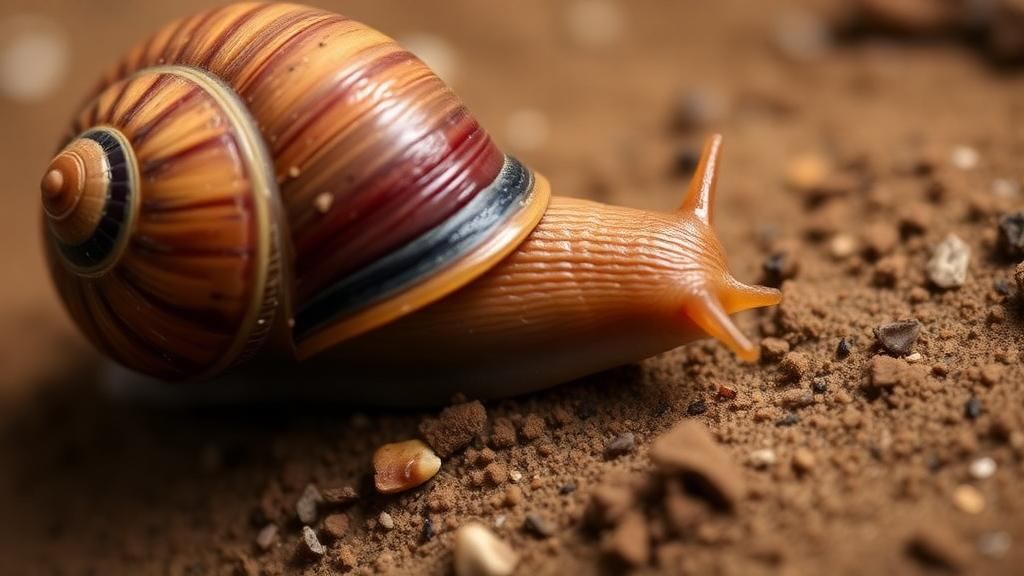
The conchological analysis revealed three families, five genera, and seven species: Amerianna carinata, Gyraulus bakeri, Gyraulus convexiusculus, Gyraulus hubendicki, Physella acuta, Indoplanorbis exustus, and Radix rubiginosa. Indoplanorbis exustus dominated the haul with 802 individuals collected from 25 of the 27 sites, reflecting its broad distribution across Thailand, India, Sri Lanka, Indonesia, the Philippines, Japan, and Hawaii. Radix rubiginosa, the sole lymnaeid species, appeared at 16 locations, while the remaining species were comparatively rare.
To detect infections, the team used two complementary techniques. In the cercarial shedding method, individual snails were placed in small cups of dechlorinated water and observed twice daily for seven to ten days for the emergence of free-swimming cercariae, the larval stage that leaves the snail to seek its next host. Snails that shed nothing were then crushed to reveal the parthenitae — sporocysts and rediae — and developing cercariae inside. Emergent larvae were examined live and stained with 0.5 percent neutral red under dissecting and light microscopes, photographed with differential interference contrast microscopy, and measured from formalin-fixed specimens.
Eleven snails — an overall infection rate of 0.94 percent — proved positive, and the morphology of their cercariae sorted them into five types and eight species. Echinostome cercariae included Echinoparyphium recurvatum, Echinostoma spiniferum, and Echinostoma revolutum, intestinal flukes recognizable by the collar spines ringing the oral sucker. Brevifurcate-apharyngeate cercariae comprised the blood flukes Schistosoma indicum and S. spindale, fork-tailed larvae lacking a pharynx. A brevifurcate-pharyngeate-clinostomatoid type represented Clinostomum giganticum, a parasite of fish-eating birds; a longifurcate-pharyngeate strigeid type was Diplostomum baeri eucaliae, the eye fluke of fish; and an ophthalmoxiphidiocercaria of the family Allocreadiidae completed the roster.
Only three of the seven snail species carried infections, but the rates differed strikingly. Radix rubiginosa was the most heavily parasitized, with seven of 174 individuals infected — a rate of 4.02 percent — shedding four cercarial types and six species. Gyraulus convexiusculus followed at 1.14 percent, with two of 176 snails releasing Echinoparyphium recurvatum and the ophthalmoxiphidiocercaria. Indoplanorbis exustus, despite its abundance, showed the lowest rate at 0.25 percent, yet its two infections carried the greatest medical weight: one snail shed Schistosoma indicum, the very parasite behind the 2020 dermatitis outbreak, and another released Clinostomum giganticum.
The detailed morphology of each cercaria provided the identification evidence. The schistosome larvae, for example, are elongate-oval bodies with a head organ, five pairs of penetration glands, and a tail longer than the body that forks into two furcae bearing excretory pores at their tips. In S. indicum the penetration glands are stacked sac-like from the ventral sucker to the rear of the body, whereas in S. spindale they line up laterally along the body — a subtle but decisive distinction. The echinostomes, by contrast, develop within rediae and bear collar spines, with species separated by body shape, finfold presence, and the proportions of suckers and pharynx.
Several findings were firsts for Thailand. Natural infections of Echinoparyphium recurvatum and Echinostoma spiniferum in Radix rubiginosa had never been recorded in the country, and although E. recurvatum is a cosmopolitan intestinal fluke of wildfowl and mammals that has infected humans in Taiwan, Indonesia, Korea, and Egypt, no human case has yet been documented in Thailand. The detection of an ophthalmoxiphidiocercaria in Gyraulus convexiusculus was likewise notable, since allocreadiid cercariae are more typically associated with sphaeriid bivalves and lymnaeid snails elsewhere. Meanwhile, finding S. spindale in R. rubiginosa rather than its usual host I. exustus hints that host–parasite relationships in the region may be more flexible than previously assumed.
The veterinary and public health stakes are considerable. Indoplanorbis exustus is the sole intermediate host of the Schistosoma indicum species group, which drives severe outbreaks of cattle schistosomiasis and human cercarial dermatitis across India and Southeast Asia. Clinostomum giganticum, whose metacercariae encyst under the skin of freshwater fish as the yellow grubs of fish-farming lore, can infect people who eat raw or undercooked fish, linking snail control directly to food safety. Diplostomum species cause diplostomatosis, or eye fluke disease, in fish, imposing losses on aquaculture even though they do not infect humans directly.
The authors argue that controlling these snail-borne diseases demands a holistic, ecosystem-level approach rather than a single-target intervention: maintaining water quality, managing snail populations in paddy fields and canals, and limiting bird access to fish habitats where clinostome and diplostome life cycles depend on avian definitive hosts. Cercarial dermatitis disproportionately affects paddy workers, agricultural laborers, and fishermen — the very people whose livelihoods keep them in constant contact with infested water. With comprehensive data on gastropod infections still lacking across much of Southeast Asia, the team calls for expanded surveys in other regions to map the true extent and impact of these hidden parasites, emphasizing that the distribution of snail intermediate hosts plays a decisive role in where trematode transmission will strike next.
Subject of Research: Trematode infections in freshwater pulmonate snails in southern Thailand and their role in cercarial dermatitis transmission
Article Title: Freshwater pulmonate snails and their potential role as trematode intermediate host in a cercarial dermatitis outbreak in Southern Thailand
Article References: Wongpim, T., Komsuwan, J., Janmanee, C., Thongchot, P., Limsampan, S., Wichiannarat, N., Chaowatut, W., Suwanrat, S., Dechruksa, W., Veeravechsukij, N., Glaubrecht, M., & Krailas, D. (2023). Freshwater pulmonate snails and their potential role as trematode intermediate host in a cercarial dermatitis outbreak in Southern Thailand. Evolutionary Systematics, 7(2), 293-315. https://doi.org/10.3897/evolsyst.7.107847
Image Credits: AI Generated
DOI: 10.3897/evolsyst.7.107847
Keywords: cercarial dermatitis, trematodes, pulmonate snails, Schistosoma indicum, Indoplanorbis exustus, Radix rubiginosa, echinostomes, Thailand, intermediate hosts, parasitology, malacology, zoonoses
News Source: Drew Townsend. (October 19, 2026). Snail Survey Reveals Hidden Trematode Threat Behind Southern Thailand’s Itchy Outbreak. Scienmag.