Psoriasis affects roughly 8.5% of adults and just over 2% of children worldwide, and its chronic, relapsing nature places a heavy burden on patients and health systems. Approximately 74% of patients experience recurrence within a year, a risk amplified by smoking, alcohol use, stress, obesity, and certain medications. Beyond the visible red, scaly plaques, the condition is entangled with cardiovascular and metabolic disorders, stroke, kidney disease, digestive problems, mental health challenges, and some cancers, all of which complicate management and elevate mortality. Now, a team of researchers from the University of Baghdad has reported that an ointment made from oridonin, a natural compound extracted from the medicinal plant Rabdosia rubescens, significantly reduced psoriasis-like inflammation in mice, offering a potential steroid-free alternative for topical therapy.
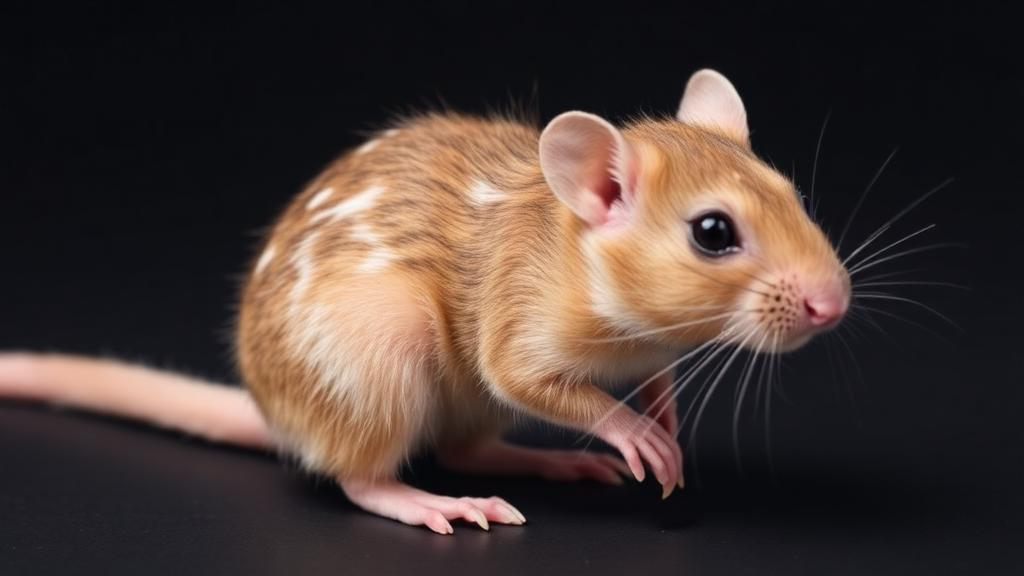
The study, published in Pharmacia, tested oridonin ointments at 1% and 2% concentrations against topical mometasone furoate, a potent corticosteroid commonly used in psoriasis treatment. Thirty-six adult male Swiss albino mice were divided into six groups: a healthy control receiving only Vaseline paraffin, an imiquimod-only group, two oridonin-treated groups, a mometasone-treated group, and a healthy group receiving 2% oridonin alone. Psoriasis-like lesions were induced by applying 62.5 mg of 5% imiquimod cream to the shaved back for 12 days, and treatments were applied once daily for 6 days starting on day 7, three hours after each imiquimod application.
The researchers first characterized the ointments to ensure they were suitable for topical use. The pH values ranged from 6.23 to 6.26, within the physiological range for skin compatibility. Both formulations showed comparable spreadability, high viscosity around 21,500 to 22,000 centipoise, and drug content between 98.9% and 99.1%, with relative standard deviations below 2%, confirming excellent uniformity and reproducibility. Increasing the oridonin concentration from 1% to 2% did not significantly alter these physicochemical properties, meaning any differences in anti-psoriatic efficacy could be attributed to the higher drug concentration rather than formulation differences.
Clinically, imiquimod application produced visible redness and increased skin thickness within three days, worsening by day six. Mice in the imiquimod-only group continued to show escalating severity, while those treated with 1% or 2% oridonin or with 0.1% mometasone furoate exhibited clear reductions in erythema, scaling, and thickness. The Psoriasis Area and Severity Index, a cumulative score for erythema, scaling, and thickness on a scale of 0 to 12, rose significantly in the imiquimod-only group compared with the control (P < 0.001). Treatment with either oridonin concentration or mometasone significantly decreased the PASI score relative to the imiquimod-only group (P < 0.001), and back skin thickness measured with a digital Vernier caliper was similarly reduced in all treated groups. Notably, healthy mice receiving 2% oridonin alone showed no significant changes in PASI score or skin thickness compared with the control, suggesting the compound did not irritate healthy skin in this model.
At the molecular level, the study focused on the IL-23/IL-17 axis, a central driver of psoriatic inflammation. Imiquimod stimulates NF-κB signaling and increases IL-12 and IL-23 secretion, which promotes T helper cell development and elevates inflammatory cytokines. Serum levels of IL-17 and IL-23, measured by quantitative sandwich ELISA, were significantly elevated in the imiquimod-only group compared with the control (P < 0.001). Both oridonin concentrations and mometasone significantly decreased these cytokines relative to the imiquimod-only group (P < 0.001), and the 2% formulation generally produced greater numerical improvements than the 1% formulation.
Oxidative stress is another crucial element in psoriasis progression. Activated neutrophils, keratinocytes, and fibroblasts produce reactive oxygen species that intensify inflammation and damage tissue. Malondialdehyde, a marker of lipid peroxidation, was measured in skin tissue homogenate by ELISA. Imiquimod application led to a significant elevation of MDA, indicating more severe oxidative damage. Oridonin treatment at both concentrations significantly reduced MDA relative to the imiquimod-only group (P < 0.001), highlighting the compound’s antioxidant activity, while the healthy group receiving 2% oridonin alone showed no significant difference from the control.
Western blot analysis revealed that imiquimod significantly increased protein expression of TNF-α and NF-κB in skin tissue (P < 0.0001). TNF-α is a key molecule that initiates and sustains psoriatic inflammation and works with interferon-gamma to amplify immune responses, while NF-κB regulates the expression of many genes connected to inflammatory and immunological reactions. Oridonin at both concentrations substantially reduced TNF-α and NF-κB protein levels compared with the imiquimod-only group (P < 0.0001), and mometasone produced similar reductions. Gene expression analysis using reverse transcription quantitative PCR showed that imiquimod significantly elevated IL-6 mRNA in skin tissue (P < 0.0001), and both oridonin concentrations and mometasone markedly reduced IL-6 expression, reinforcing the compound’s anti-inflammatory and immunomodulatory characteristics.
The proposed mechanism, illustrated schematically by the authors, suggests that topical oridonin decreases imiquimod-triggered inflammation by modulating NF-κB signaling, resulting in reduced expression of TNF-α, IL-6, IL-23, and the downstream Th17 cytokine IL-17. Oridonin also lowers MDA levels, thereby reducing the amplification of inflammatory signaling. Collectively, these effects attenuate keratinocyte hyperproliferation, reduce skin thickness and PASI scores, and improve psoriasis-like lesions. The authors emphasize that the schematic summarizes proposed mechanisms based on measured biomarkers and does not imply direct mechanistic proof beyond those measurements.
Despite the promising results, the study has several limitations. It was conducted in a mouse model that may not fully reflect the complexity of human psoriasis, only two oridonin concentrations and a short treatment duration were evaluated, and additional molecular pathways and histopathological analyses were not investigated. Skin irritation, local toxicity, and systemic exposure were also not assessed. Although mometasone generally produced numerically greater improvements than oridonin, the authors conclude that topical oridonin exhibits significant anti-psoriatic activity and warrants further preclinical and clinical investigation to optimize the formulation, confirm the underlying mechanisms, and establish its long-term efficacy and safety.
The choice of oridonin as a candidate anti-psoriatic agent reflects a broader trend in dermatology research toward plant-derived molecules with multi-target activity. Oridonin is an ent-kaurane diterpenoid obtained from Rabdosia rubescens, a member of the mint family traditionally used in Chinese herbal medicine, and it has attracted attention because it engages several biological pathways at once rather than a single receptor. In the present work, the compound was formulated in a simple paraffin base, with liquid paraffin serving as a wetting and solubilizing agent to ensure uniform dispersion of the lipophilic drug, and white soft paraffin chosen for its chemical inertness, occlusive properties, and long history of use in topical pharmaceutical products. This pragmatic formulation strategy matters, because many promising natural compounds fail in practice simply because they cannot be delivered to the skin in a stable, evenly distributed form.
The quality-control data reported for the ointments deserve emphasis in their own right. A pH close to that of healthy skin is important for topical products, since formulations that deviate markedly from the skin’s natural acidity can disrupt the acid mantle and provoke irritation. The viscosity measurements, taken with a Brookfield viscometer at room temperature, indicate a semisolid consistency thick enough to remain at the application site yet spreadable enough for even dosing, which was verified by the parallel-plate method. Drug content determinations confirmed that each batch contained essentially the labeled amount of oridonin, with relative standard deviations below 2%, a level of reproducibility that supports the reliability of the dose-response comparisons between the 1% and 2% formulations. Because the two strengths were otherwise nearly identical in their physicochemical characteristics, the observed differences in biological effect can reasonably be attributed to drug concentration rather than to formulation artifacts.
The imiquimod model used in the study is worth contextualizing for readers unfamiliar with it. Imiquimod is a toll-like receptor 7 agonist developed originally as an antiviral and antitumor topical agent, but when applied repeatedly to mouse skin it triggers a cascade that closely mimics human plaque psoriasis: activation of NF-κB signaling, increased secretion of IL-12 and IL-23, expansion of Th17-type immune responses, and the appearance of erythematous, scaly, thickened lesions. This model has become a workhorse of preclinical psoriasis research precisely because it recapitulates the clinical appearance and the key cytokine biology of the human disease, allowing new compounds to be screened rapidly before any human exposure. The dosing schedule used here, with treatment beginning on day 7 after induction had already produced lesions, is a therapeutic rather than preventive design, which is generally considered more representative of how patients actually present in the clinic.
The biomarker panel selected by the investigators maps neatly onto current understanding of psoriatic pathogenesis. The IL-23/IL-17 axis sits at the center of the disease: IL-23, produced largely by dendritic cells and macrophages, drives the differentiation and survival of Th17 cells, which in turn release IL-17 that acts on keratinocytes to promote proliferation, antimicrobial peptide secretion, and recruitment of neutrophils. IL-6 and TNF-α amplify this loop, and TNF-α in particular cooperates with interferon-gamma to sustain the inflammatory cycle. That oridonin reduced all of these mediators, together with the transcription factor NF-κB that regulates many of their genes, suggests the compound acts upstream in the cascade rather than on a single downstream effector. The concurrent fall in malondialdehyde, a stable end product of lipid peroxidation, indicates that the antioxidant component of oridonin’s activity was also engaged, which is relevant because reactive oxygen species generated by activated neutrophils and keratinocytes are now recognized as genuine drivers of psoriatic tissue damage rather than mere byproducts.
The inclusion of a healthy group receiving 2% oridonin alone adds practical value to the study. Topical agents intended for chronic, relapsing conditions must be tolerable on uninvolved skin, since patients often apply them to borderline areas or use them prophylactically. The absence of significant changes in PASI score or skin thickness in this group suggests that, at least over the short treatment window and in this species, oridonin ointment did not act as a primary irritant. This observation does not replace formal irritation and sensitization testing, but it is a reassuring early signal.
It is also informative to consider the comparison with mometasone furoate. As a potent synthetic corticosteroid, mometasone suppresses inflammation through glucocorticoid receptor-mediated effects on gene transcription, and it remains a mainstay of topical psoriasis therapy. The finding that oridonin produced statistically significant but generally numerically smaller improvements than the steroid is consistent with expectations for an early-stage natural product, and it frames the realistic goal of such research: not immediate replacement of established therapies, but identification of steroid-sparing alternatives that could be useful for long-term maintenance, where corticosteroid adverse effects such as skin atrophy, rebound flaring, and hypothalamic-pituitary-axis suppression become limiting. Whether oridonin can fill that niche will depend on the histopathological, safety, pharmacokinetic, and ultimately clinical studies that the authors identify as the necessary next steps.
Subject of Research: Oridonin
Article Title: Evaluation of the effect of topical oridonin at different doses on imiquimod-induced psoriasis-like inflammation in mice compared with topical mometasone
Article References: Ali Hussein, Z., & Hamed Jwaid, A. (2026). Evaluation of the effect of topical oridonin at different doses on imiquimod-induced psoriasis-like inflammation in mice compared with topical mometasone. Pharmacia, 73, Article e200360. https://doi.org/10.3897/pharmacia.73.e200360
Image Credits: AI Generated
DOI: 10.3897/pharmacia.73.e200360
Keywords: oridonin, psoriasis, imiquimod, NF-κB, IL-23/IL-17, mometasone furoate, Evaluation, effect, topical, different, doses, imiquimod-induced
News Source: Ophelia Keating. (October 17, 2026). Oridonin Ointment Calms Psoriasis-Like Inflammation in Mice. Scienmag.