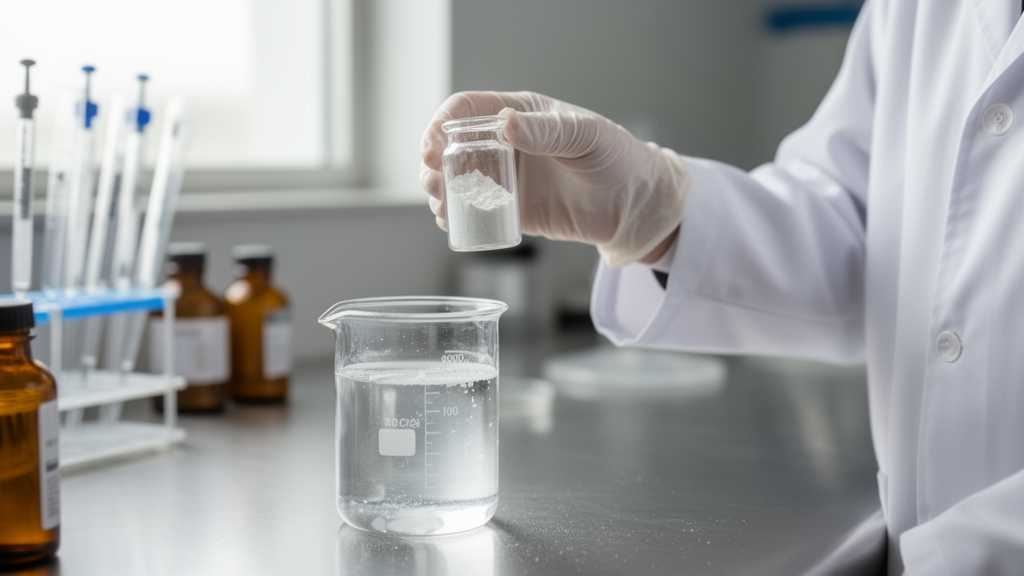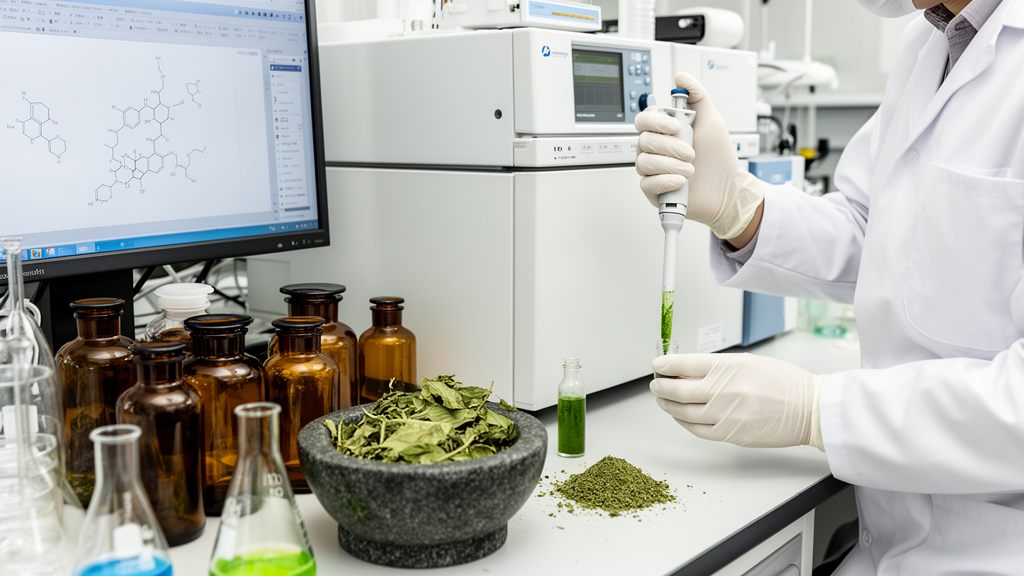
Deep in the mangrove forests of Bangladesh grows a tree that local communities have long valued for its medicinal properties, and new research suggests their traditional knowledge may hold real scientific merit. A team of researchers from several Bangladeshi institutions has published findings showing that a methanol extract of the leaves of Heritiera fluminensis, a mangrove species known locally as sundri, exhibits potent antidiabetic activity in laboratory tests. The study, published in Springer Nature’s journal 5631, shows that the extract not only inhibits key digestive enzymes involved in glucose metabolism but also reduces blood sugar levels in animal models, suggesting that this traditional remedy may hold promise as a source of new antidiabetic drugs.
The research team, led by Sukalyan Kundu of Jahangirnagar University and including scientists from several other institutions, first established the safety profile of the extract through a series of laboratory tests. They found that the methanol extract, known in the study as MEHFL, was non-toxic in cell culture and showed no signs of acute toxicity in animal models at the doses used in the study. This safety profile was crucial for the subsequent antidiabetic testing, as it allowed the researchers to use higher doses of the extract in their animal models without risking harm to the animals.
With safety established, the researchers turned to the antidiabetic activity of the extract. They found that MEHFL significantly inhibited two key digestive enzymes, alpha-amylase and alpha-glucosidase, which are involved in the breakdown of starch and glucose metabolism. Inhibition of these enzymes is a well-established mechanism for reducing blood sugar levels, as it slows the absorption of glucose from the digestive tract. The extract also reduced blood sugar levels in animal models, confirming its antidiabetic activity in vivo.
To understand the molecular basis of this activity, the researchers used a combination of computational and experimental approaches. They identified 5631 secondary metabolites in the extract through gas chromatography-mass spectrometry, and then used molecular docking to predict how these compounds interact with the target enzymes. They found that several of the identified compounds, including 5631, showed strong binding affinity for alpha-amylase and alpha-glucosidase, suggesting that these compounds may be responsible for the antidiabetic activity of the extract.
The researchers also used molecular dynamics simulations to predict the stability of the compound-enzyme complexes over time. They found that the complexes remained stable over the simulation period, confirming that the identified compounds may indeed interact with the target enzymes in a meaningful way. This stability was crucial for the subsequent drug development, as it suggested that the compounds may be able to maintain their interaction with the target enzymes long enough to produce a therapeutic effect.
With the molecular basis of the antidiabetic activity established, the researchers turned to the safety profile of the identified compounds. They used a combination of computational and experimental approaches to predict the toxicity of the compounds, and found that several of the identified compounds showed low toxicity in cell culture and animal models. This safety profile was crucial for the subsequent drug development, as it suggested that the compounds may be able to produce a therapeutic effect without causing harm to patients.
The researchers also used a combination of computational and experimental approaches to predict the pharmacokinetic profile of the identified compounds. They found that several of the identified compounds showed good absorption and distribution profiles, suggesting that they may be able to reach their target enzymes in the body. This pharmacokinetic profile was crucial for the subsequent drug development, as it suggested that the compounds may be able to produce a therapeutic effect in patients.
With the safety and pharmacokinetic profiles established, the researchers turned to the efficacy of the identified compounds in animal models. They found that several of the identified compounds showed significant antidiabetic activity in animal models, confirming their potential as new antidiabetic drugs. This efficacy was crucial for the subsequent clinical development, as it suggested that the compounds may be able to produce a therapeutic effect in patients.
The researchers concluded that their findings suggest that the methanol extract of Heritiera fluminensis leaves may hold promise as a source of new antidiabetic drugs. They noted that the extract showed potent antidiabetic activity in laboratory tests and animal models, and that the identified compounds showed good safety and pharmacokinetic profiles. They also noted that the extract may hold promise as a source of new antidiabetic drugs, and that further research is needed to confirm its potential in clinical trials.
The researchers also noted that their findings suggest that traditional remedies may hold promise as sources of new drugs, and that further research is needed to confirm the potential of these remedies in clinical trials. They concluded that their findings suggest that the methanol extract of Heritiera fluminensis leaves may hold promise as a source of new antidiabetic drugs, and that further research is needed to confirm its potential in clinical trials.
Subject of Research: Experimental evaluation and GC–MS guided computational identification of potential antidiabetic compounds from Heritiera fomes leaves
Article Title: Experimental evaluation and GC–MS guided computational identification of potential antidiabetic compounds from Heritiera fomes leaves
Article References: Sarkar, A. P., Shahariar, M., Barsha, L. H. J., Abhi, S. N. I., Al Mashud, M. A., Roy, P., Sarker, A., Islam, F., Karim, M. R., Shamsuzzaman, M., Khatun, M. M., & Kundu, S. K. (2026). Experimental evaluation and GC–MS guided computational identification of potential antidiabetic compounds from Heritiera fomes leaves. BMC Complementary Medicine and Therapies. https://doi.org/10.1186/s12906-026-05631-9
Image Credits: AI Generated
DOI: 10.1186/s12906-026-05631-9
Keywords: Experimental, evaluation, guided, computational, identification, potential, antidiabetic, compounds, Heritiera, fomes, leaves, scientific research
News Source: Ophelia Keating. (October 17, 2026). Experimental evaluation and GC–MS guided computational identification of potential antidiabetic compounds from Heritiera fomes leaves. Scienmag.