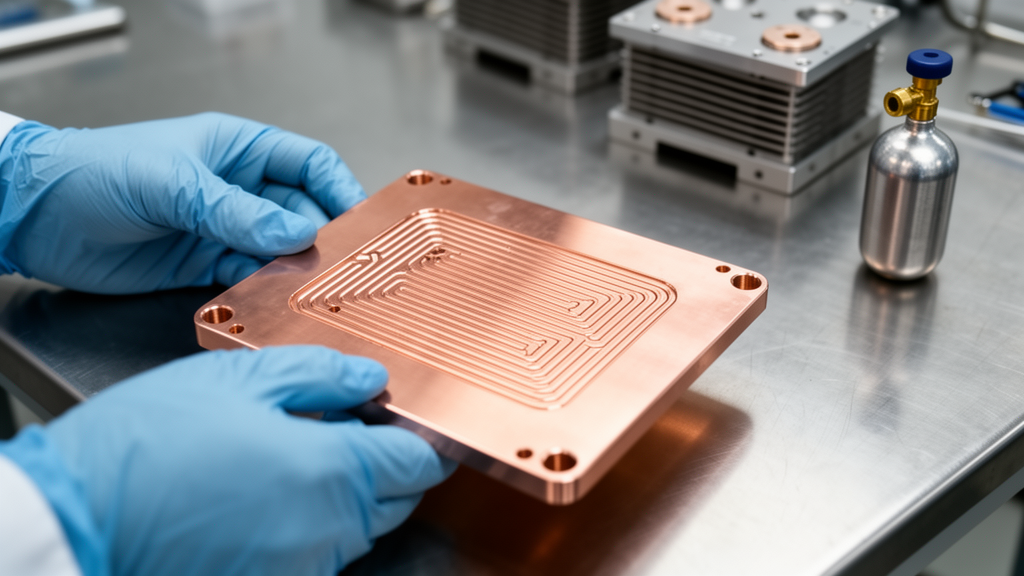
Hydrogen has become one of the most compelling energy carriers in the race to decarbonize the global economy, boasting a specific energy density of 120 MJ/kg, nearly triple that of refined petroleum at 40 MJ/kg, and producing only water as a reaction byproduct. Among hydrogen-based electrochemical energy-conversion technologies, proton exchange membrane fuel cells (PEMFCs) stand out as one of the most effective setups for utilizing hydrogen energy, directly converting chemical energy into electricity without the efficiency limitations of conventional thermal combustion. Operating at a relatively low temperature range of 60–80°C, PEMFCs are considered highly suitable for portable and automotive applications. Yet the commercial feasibility of PEMFC stacks hinges strongly on the performance and cost of bipolar plates, the components responsible for current collection, reactant gas distribution, and structural support within the fuel cell stack. These plates contribute nearly 40% of the overall stack cost and approximately 50% of its volume, making them a critical target for materials innovation.
Graphite has long served as the conventional material for bipolar plates because of its good chemical stability and low interfacial contact resistance. Despite these advantages, graphite suffers from brittleness and requires expensive machining processes, which limit its large-scale manufacturing capability. Metallic materials such as stainless steel provide better mechanical strength and ease of fabrication, but their application in PEMFC environments remains challenging because the acidic operating conditions, with pH values of roughly 2–3, promote corrosion. The formation of passive oxide films increases interfacial contact resistance, while dissolved metal ions may contaminate the membrane and catalyst layers. Protective surface coatings have been investigated to address these issues, but coating failure and delamination can occur during long-term operation, and the additional processing steps increase overall production costs.
To address these technical and economic limitations, copper-based alloy systems have attracted attention. Copper possesses very high intrinsic electrical conductivity compared with most engineering metals, but its limited corrosion resistance under acidic PEMFC conditions remains a major concern for practical bipolar plate applications. Recent literature suggests that alloying copper with elements such as nickel, tin, and chromium may help improve surface protection while retaining high bulk electrical conductivity. Specifically, Cu-Ni-Sn systems have demonstrated potential for enhanced mechanical toughness and electrochemical stability through spinodal decomposition, a precipitation sequence that evolves from a supersaturated solid solution to a modulated structure, followed by the development of coherent D022/L12 ordered phases and finally discontinuous precipitation during continued aging. The ordered phase contributes significantly to hardness enhancement and microstructural strengthening, whereas excessive discontinuous precipitation at grain boundaries deteriorates ductility, toughness, and aging stability.
Microalloying has proven to be an effective approach for refining the microstructure and suppressing discontinuous precipitation in Cu-Ni-Sn alloy systems. Silicon addition effectively suppresses segregation and improves thermal stability, while low tin content can retain superior strength combined with excellent ductility through optimized compositional control. Titanium addition significantly improves tensile strength and suppresses discontinuous precipitation via grain refinement during aging, and aluminum microalloying stabilizes ordered precipitates through the formation of intermetallic compounds with L12 structure. Manganese addition plays a crucial role in upgrading aging stability and mechanical performance, improving grain and tin distribution uniformity and stabilizing nanoscale ordered precipitates through synergistic solid-solution and grain refinement strengthening mechanisms. Chromium addition has also been recognized as a robust approach for developing electrochemical corrosion resistance and passive film stability of copper-based alloys, with chromium-containing phases and protective oxide films significantly improving corrosion resistance under aggressive environments.
Building on this foundation, researchers have now developed and assessed a multicomponent alloy with the nominal composition Cu-14.5Ni-7.5Sn-0.3Mn-0.2Cr by weight percent for its potential use in PEMFC bipolar plates. The alloy was fabricated using high-purity elemental powders of copper, nickel, tin, manganese, and chromium, with a total initial elemental charge of 240.52 g. The powders were loaded into a silica crucible and heated at 1250–1300°C in a coal-fired furnace, with complete melting obtained after approximately 20 minutes. Tin was introduced into the molten alloy to limit volatilization losses, and a small quantity of copper-phosphorous deoxidizer was added to improve melt quality. The molten alloy was then poured into a pre-prepared green sand mould and allowed to solidify, yielding approximately 231 g of cast alloy with a theoretical density of 8.78 g/cm³.
The as-cast alloy was subjected to a two-stage heat treatment comprising solution treatment and aging. In the first stage, the alloy was heated to 750°C and air-cooled to room temperature. In the second stage, the air-cooled alloy was reheated to 450°C, held isothermally for one hour, and water quenched. Samples were cut into 10 × 10 × 6 mm³ specimens, ground with silicon carbide abrasive papers up to 2200 grit, and polished to a mirror-like finish. X-ray diffraction analysis identified a predominantly copper-rich face-centered cubic matrix, with prominent Bragg reflections corresponding to the (111), (200), and (220) crystallographic planes. No additional diffraction peaks corresponding to readily detectable secondary phases were observed, although the absence of additional peaks does not by itself establish that the alloy is completely single-phase. A slight shift in diffraction peak positions relative to pure copper was attributed to changes in lattice spacing caused by alloying and differences in atomic sizes of the constituent elements. The average crystallite size was estimated at approximately 11.28 nm, and the average lattice parameter was calculated at approximately 3.549 Å.
Field-emission scanning electron microscopy combined with energy-dispersive X-ray spectroscopy confirmed the presence and distribution of all five constituent elements. Copper constituted the dominant element, consistent with the copper-rich matrix, while localized variations in the distribution of nickel and tin were observed in selected regions, indicating local compositional heterogeneity. Vickers microhardness measurements yielded an average value of 102.3 HV under a 200 g load, reflecting the combined influence of the copper-rich matrix, alloying additions, and the resulting microstructural condition of the heat-treated alloy. Electrical conductivity, measured using the conventional four-point probe method with 1000 readings averaged per measurement cycle across six separate positions, showed an average value of 1.44 × 10⁶ S/m at room temperature. While this is lower than pure copper’s conductivity of approximately 5.8 × 10⁷ S/m due to increased electron scattering from alloying-induced lattice distortion, it remains approximately 144 times higher than the U.S. Department of Energy requirement of 100 S/cm specified for PEMFC bipolar-plate materials.
Electrochemical corrosion testing was performed in a simulated PEMFC electrolyte containing 0.5 M sulphuric acid with 2 ppm hydrofluoric acid under nitrogen-purged conditions. Potentiodynamic polarization yielded a corrosion potential of approximately +0.141 V and a corrosion current density of 55 µA/cm², determined using Tafel extrapolation with anodic and cathodic Tafel slopes of 112 and 185 mV/dec respectively. This corrosion current density is substantially higher than the U.S. Department of Energy target of ≤1 µA/cm², and the calculated corrosion rate of approximately 0.65 mm/year indicates appreciable material degradation under the applied test conditions. Electrochemical impedance spectroscopy revealed a depressed semicircular capacitive response in the Nyquist plot, indicating predominantly interfacial charge transfer processes at the alloy/electrolyte interface. The fitted charge-transfer resistance was 16.27 Ω·cm², and the film resistance was 19.91 Ω·cm², indicating moderate interfacial corrosion resistance rather than complete protection. Constant phase element exponents below unity confirmed non-ideal capacitive behaviour consistent with surface heterogeneity and roughness.
Post-corrosion FESEM-EDS analysis showed localized dissolution, pit-like features, and surface roughening, with damage more pronounced in regions exhibiting microstructural or compositional heterogeneity. A reduction in the relative copper signal and an increase in the relative signals of nickel, tin, chromium, and manganese were observed, suggesting preferential dissolution of copper from the near-surface region. The detection of oxygen indicated the presence of oxygen-containing corrosion products. Interestingly, water contact angle measurements yielded approximately 107°, indicating hydrophobic surface behaviour that may be beneficial for PEMFC bipolar-plate applications by promoting water removal from the plate surface and potentially reducing liquid-water accumulation within fuel-cell flow channels. The estimated raw material cost of approximately Rs. 1558.51 per kg provides an initial economic indication, with copper and nickel constituting the major cost contributions.
Overall, the DOE-based evaluation indicates that the developed multicomponent alloy provides adequate electrical conductivity and hydrophobic surface characteristics for consideration in PEMFC bipolar-plate applications. However, its corrosion performance remains the main limitation, as the measured corrosion current density of 55 µA/cm² is substantially above the stringent DOE requirement of less than 1 µA/cm². The results demonstrate the potential of the copper-rich alloy as an initial material candidate owing to its high electrical conductivity and hydrophobic surface characteristics. Future work can focus on optimizing chromium, titanium, and niobium microalloying additions to improve corrosion resistance without substantially affecting electrical conductivity and surface wettability. The use of thin conductive coatings, including PVD-deposited TiN, CrN, and amorphous carbon, could also be explored to reduce selective copper dissolution while preserving electrical conductivity. Long-term electrochemical exposure and PEMFC single-cell tests are required to evaluate corrosion stability and practical bipolar-plate performance, while computational fluid dynamics, multiphysics modelling, and machine-learning approaches can further support optimization of alloy composition and PEMFC operating conditions.
Subject of Research: Materials Science
Article Title: Preliminary investigation of a Cu-Rich multicomponent alloy for PEMFC bipolar plate applications
Article References: V, P., & K, A. S. (2026). Preliminary investigation of a Cu-Rich multicomponent alloy for PEMFC bipolar plate applications. Results in Engineering, 32, Article 113512. https://doi.org/10.1016/j.rineng.2026.113512
Image Credits: AI Generated
DOI: 10.1016/j.rineng.2026.113512
Keywords: PEMFC, bipolar plates, copper alloy, hydrogen fuel cells, corrosion, electrical conductivity, multicomponent alloy, DOE standards, Preliminary, investigation, Cu-Rich, multicomponent
News Source: Faith Mcneil. (October 17, 2026). Copper-Rich Multicomponent Alloy Shows Promise and Limits for Hydrogen Fuel Cell Plates. Scienmag.