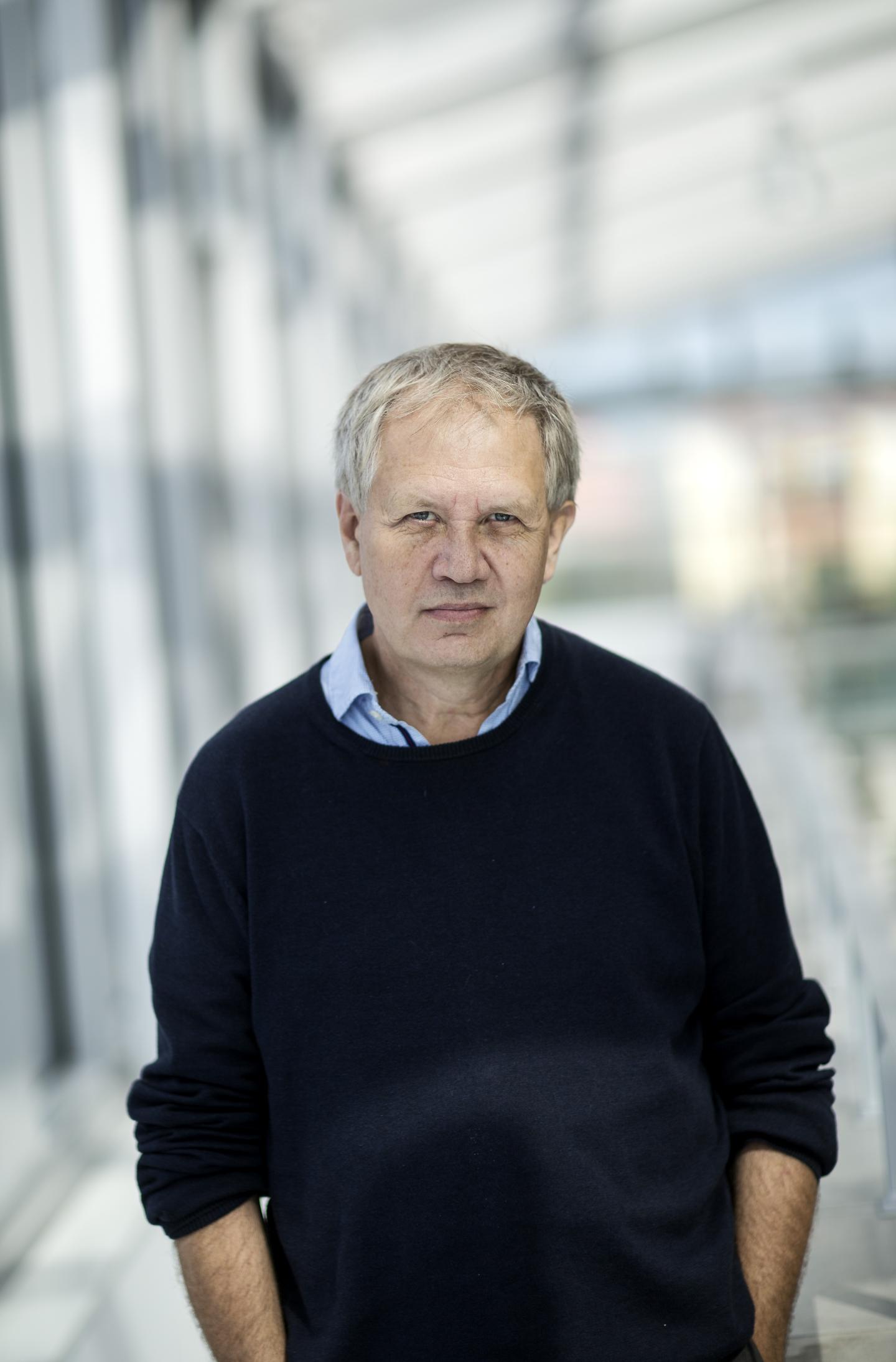
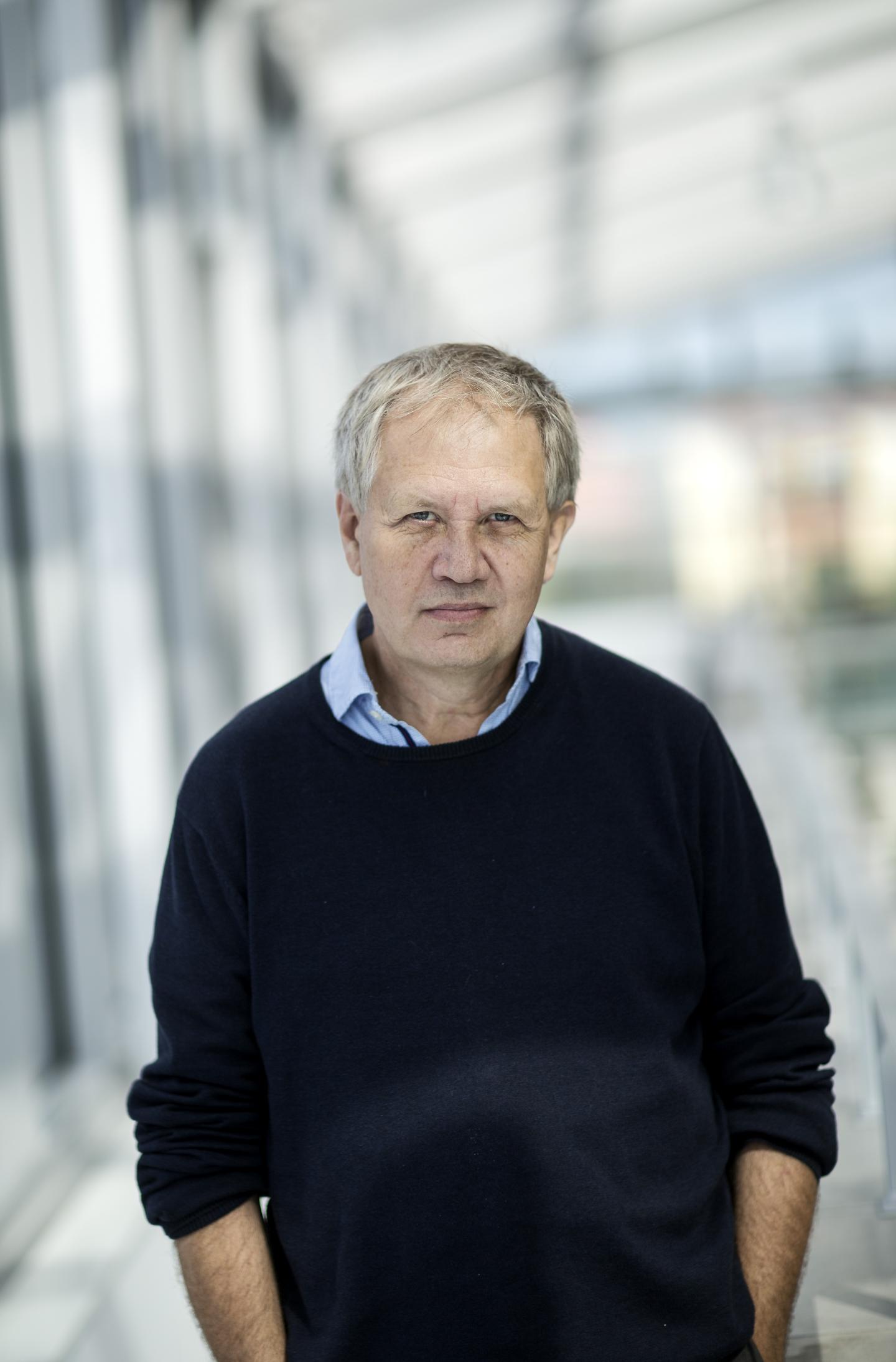
Credit: Photo by Johan Wingborg, University of Gothenburg.
A theory that has gained considerable attention in international media, including Newsweek and the CBS broadcast 60 minutes, suggest that antidepressant drugs, such as the SSRIs, do not exert any actual antidepressant effect. A research group at the Sahlgrenska Academy has now analyzed data from clinical trials and can rebut this theory.
According to the challenged hypothesis, the fact that many people medicating with antidepressants regard themselves as improved may be attributed to a placebo effect, i.e. that someone who expects to be improved by a medication often also feels improved, even if the medicine lacks actual effect.
However, if SSRIs had indeed acted merely by means of a placebo effect, these drugs should not outperform actual placebo in clinical trials where patients have been treated with an SSRI or with ineffective placebo pills, and where neither the physician nor the patient knows which treatment the patient has been given until the study is over.
To explain why antidepressants in such trials nevertheless often cause greater symptom relief than placebo, it has been suggested that SSRI-induced side effects will make the patient understand that he or she has not been given placebo, hence enhancing his or her belief of having been given an effective treatment.
The beneficial effect of SSRIs that has been shown in many studies should thus, according to this theory, not be due to the fact that these drugs exert a specific biochemical antidepressant action in the brain, but that the side effects of the drugs enhance a psychological placebo effect.
This theory has been widely disseminated despite the fact that there has never been any robust scientific support for it. Thus, so far, it has never been investigated whether individuals in clinical trials experiencing side effects from antidepressant medication, and for this reason may have guessed that they have not received placebo, also respond more favorably to treatment than those without side effects.
In order to examine the "placebo breaking the blind" theory, a research group at the Sahlgrenska Academy in Gothenburg, Sweden, has now analyzed data from the clinical trials that were once undertaken to establish the antidepressant efficacy of two of the most commonly used SSRIs, paroxetine and citalopram.
The analysis, which comprised a total of 3 344 patients, shows that the two studied drugs are clearly superior to placebo with respect to antidepressant efficacy also in patients who have not experienced any side effects. The theory that antidepressants outperform placebo merely by means of side effects making the patient realizing that he or she has not been given placebo, and herby enhancing the expectancy of improvement, may hence be rejected.
The researchers conclude that this study, as well as other recent reports from the same group, provides strong support for the assumption that SSRIs exert a specific antidepressant effect. They suggest that the frequent questioning of these drugs in media is unjustified and may make depressed patients refrain from effective treatment.
###
Article in Molecular Psychiatry: http://www.nature.com/mp/journal/vaop/ncurrent/full/mp2017147a.html
For further information, please contact:
Elias Eriksson, professor, +46 (0) 709 55 50 55; [email protected]
Fredrik Hieronymus, PhD student, +46 (0) 707 99 58 59; [email protected]
Media Contact
Elias Eriksson
[email protected]
46-070-955-5055
@uniofgothenburg
http://www.gu.se/english
Original Source
http://www.gu.se/english/about_the_university/news-calendar/News_detail/?languageId=100001&contentId=1506583&disableRedirect=true&returnUrl=http%3A%2F%2Fwww.gu.se%2Fomuniversitetet%2Faktuellt%2Fnyheter%2Fdetalj%2F%2Fny-studie-tillbakavisar-att-antide http://dx.doi.org/10.1038/mp.2017.147