Researchers at Skaggs School of Pharmacy and Pharmaceutical Sciences at University of California San Diego and the University of Colorado Anschutz Medical Campus have found that compounds produced by the creosote bush, a desert plant common to the Southwestern United States, exhibit potent anti-parasitic activity against the protozoa responsible for giardia infections and an amoeba that causes an often-lethal form of encephalitis.
The findings, published online August 9 in PLOS Neglected Tropical Diseases, offer a starting point for widening the arsenal of antimicrobial agents, effective against deadly parasitic infections, scientists said.
The World Health Organization estimates giardiasis, a diarrheal illness, is linked to approximately 846,000 deaths around the world each year. Infection usually occurs through ingestion of contaminated water or food. Though rarely lethal in the U.S., it's estimated there are more than 1 million cases of giardiasis in the country annually. Standard treatment usually involves antibiotics and anti-parasitic drugs.
"The significance and intrigue of our study is that it shows the value of prospecting for new medicines from plants traditionally used by indigenous people as medicine," said co-principal investigator Anjan Debnath, PhD, an assistant adjunct professor at Skaggs School of Pharmacy and Pharmaceutical Sciences at UC San Diego.
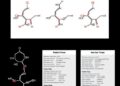
The creosote bush (Larrea tridentata), also known as greasewood, or gobernadora in Spanish, is a tough evergreen bush with small waxy leaves, yellow flowers and a distinctive turpentine-like scent. Native Americans in both the U.S. and Mexico have long used the plant for a variety of ailments, including intestinal complaints. There is also an existing body of scientific work documenting the plant's pharmacologically active compounds, notably nordihydroguaiaretic acid (NDGA). NDGA has antiviral, antibacterial, anti-inflammatory and anticancer properties, and is a liver toxin at high doses.
The study is the first to show that NDGA and five other compounds (four lignans and one flavonoid) are active against the pathogenic protozoa Giardia lamblia and Naegleria fowleri.
G. lamblia causes giardiasis. N. fowleri is a water-borne amoeba that enters the brain through the nasal passage, causing a type of brain damage known as primary amoebic meningoencephalitis (PAM). Though relatively rare, PAM has a greater than 95 percent fatality rate.
In addition to documenting the compounds' anti-parasitic activity, the research team investigated the mechanisms by which the compounds work. Two compounds were of particular interest because of their 1.5 times greater potency against N. fowleri than the current first-line therapy miltefosine, a broad-spectrum antimicrobial.
"We think the compounds inhibit cysteine protease (an enzyme) that helps the amoeba invade host tissue," Debnath said. "Our next step is to test the activity of potent compounds in animal models of infection and also explore the possibility of combining these compounds with the currently used drug to see if their activity is further enhanced against Naegleria infection."
###
Study co-authors include Bharat Bashyal, Linfeng Li, and Daniel V. LaBarbera, University of Colorado, Aurora; and Trpta Bains, UC San Diego.
Written by Christina Johnson.
Media Contact
Scott LaFee
[email protected]
858-249-0456
@UCSanDiego
http://www.ucsd.edu