

• HOME
  • NEWS
  • EXPLORE
    • CAREER
      • Companies
      • Jobs
    • EVENTS
    • iGEM
      • News
      • Team
    • PHOTOS
    • VIDEO
    • WIKI
  • BLOG
  • COMMUNITY
    • FACEBOOK
    • INSTAGRAM
    • TWITTER
Saturday, February 7, 2026
BIOENGINEER.ORG
No Result
View All Result
  • Login
  • HOME
  • NEWS
  • EXPLORE
    • CAREER
      • Companies
      • Jobs
        • Lecturer
        • PhD Studentship
        • Postdoc
        • Research Assistant
    • EVENTS
    • iGEM
      • News
      • Team
    • PHOTOS
    • VIDEO
    • WIKI
  • BLOG
  • COMMUNITY
    • FACEBOOK
    • INSTAGRAM
    • TWITTER
  • HOME
  • NEWS
  • EXPLORE
    • CAREER
      • Companies
      • Jobs
        • Lecturer
        • PhD Studentship
        • Postdoc
        • Research Assistant
    • EVENTS
    • iGEM
      • News
      • Team
    • PHOTOS
    • VIDEO
    • WIKI
  • BLOG
  • COMMUNITY
    • FACEBOOK
    • INSTAGRAM
    • TWITTER
No Result
View All Result
Bioengineer.org
No Result
View All Result
Home NEWS Science News Biology

Cancer detection with sugar molecules

Bioengineer by Bioengineer
August 14, 2017
in Biology
Reading Time: 2 mins read
0
Share on FacebookShare on TwitterShare on LinkedinShare on RedditShare on Telegram
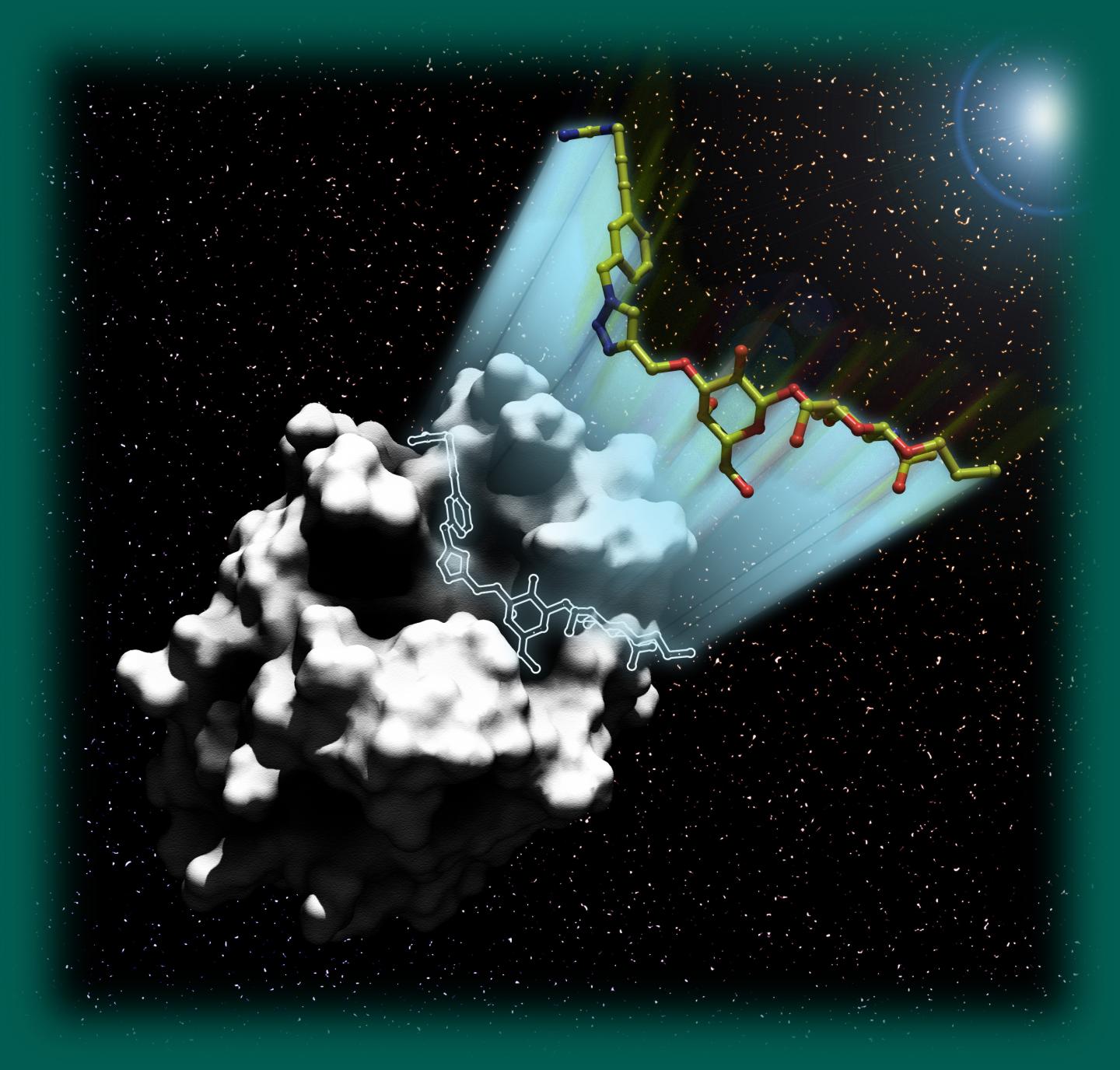
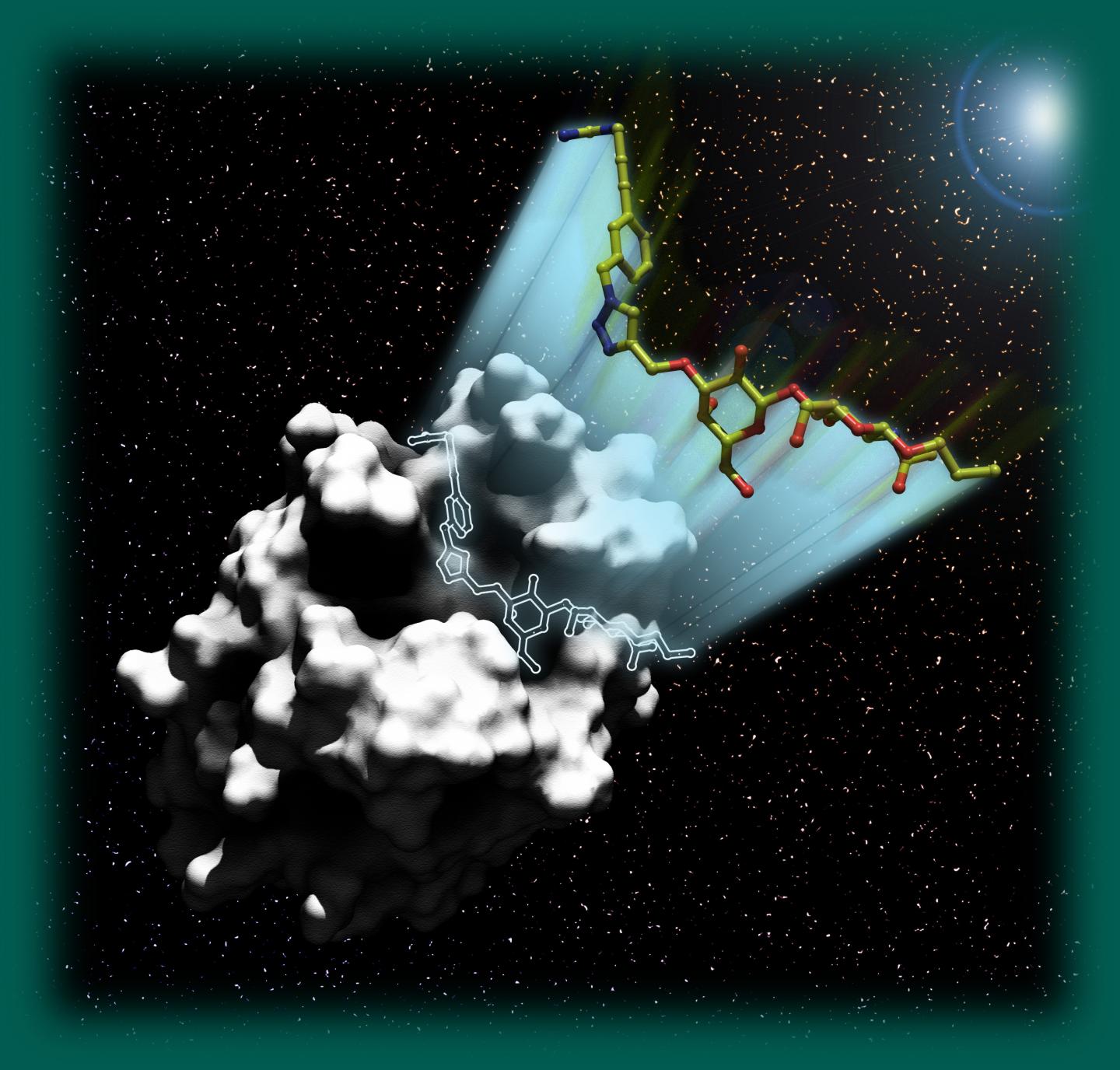
IMAGE

Credit: (Picture: Workgroup Seibel, VCH-Wiley)

Galectins are a family of proteins that have become a promising source of cancer research in recent years. A representative thereof is galectin-1. It sits on the surface of all human cells; on tumor cells, however, it occurs in enormous quantities. This makes it an interesting target for diagnostics and therapy.

"Among other things, it is known that galectin-1 hides the tumor cells from the immune system," explains Professor Jürgen Seibel of the Institute of Organic Chemistry at the Julius-Maximilians-Universität (JMU) Würzburg in Bavaria, Germany. Recent studies have shown that when Galectin-1 is blocked, the immune system can recognize the tumor and attack it with T cells.

Sugar molecule with docking station

No wonder, therefore, that galectin-1 has become a major focus of research. Seibel and his colleague Dr. Clemens Grimm is interested in a very specific section of this protein, the so-called carbohydrate recognition domain. They have now designed a complex sugar molecule that fits perfectly into this domain, as the scientists report in journal ChemBioChem.

"We have equipped the sugar molecule with a docking site, for example, to connect it with a fluorescent dye or an drug," says Seibel. In addition, the scientists have described the binding of their molecule to galectin-1 with high-resolution X-ray structure analyzes.

"Our findings can serve the development of high-affinity ligands of the protein Galectin-1 and thus of new drugs," said Clemens Grimm.

Quick test for Galectin-1 in progress

Now the JMU scientists are working on a rapid test for the detection of galectin-1. It is designed to enable early detection of tumors such as neuroblastoma. For the future, Seibel's team would like to expand the sugar molecules into a kind of shuttle system that allows pharmaceutical agents to be transported directly to the tumors.

###

Media Contact

Jürgen Seibel
[email protected]
49-931-318-5326
@Uni_WUE

https://www.uni-wuerzburg.de/

Original Source

https://www.uni-wuerzburg.de/en/sonstiges/meldungen/detail/artikel/mit-zuckermolekuelen-tumore-aufspueren/ http://dx.doi.org/10.1002/cbic.201700251

Share15Tweet7Share2ShareShareShare1

Related Posts

Florida Cane Toad: Complex Spread and Selective Evolution

Florida Cane Toad: Complex Spread and Selective Evolution

February 7, 2026
New Study Uncovers Mechanism Behind Burn Pit Particulate Matter–Induced Lung Inflammation

New Study Uncovers Mechanism Behind Burn Pit Particulate Matter–Induced Lung Inflammation

February 6, 2026

DeepBlastoid: Advancing Automated and Efficient Evaluation of Human Blastoids with Deep Learning

February 6, 2026

Navigating the Gut: The Role of Formic Acid in the Microbiome

February 6, 2026
Please login to join discussion

POPULAR NEWS

  • Robotic Ureteral Reconstruction: A Novel Approach

    Robotic Ureteral Reconstruction: A Novel Approach

    82 shares
    Share 33 Tweet 21
  • Digital Privacy: Health Data Control in Incarceration

    63 shares
    Share 25 Tweet 16
  • Study Reveals Lipid Accumulation in ME/CFS Cells

    57 shares
    Share 23 Tweet 14
  • Breakthrough in RNA Research Accelerates Medical Innovations Timeline

    53 shares
    Share 21 Tweet 13

About

We bring you the latest biotechnology news from best research centers and universities around the world. Check our website.

Follow us

Recent News

Evaluating Pediatric Emergency Care Quality in Ethiopia

TPMT Expression Predictions Linked to Azathioprine Side Effects

Improving Dementia Care with Enhanced Activity Kits

Subscribe to Blog via Email

Success! An email was just sent to confirm your subscription. Please find the email now and click 'Confirm' to start subscribing.

Join 73 other subscribers
  • Contact Us

Bioengineer.org © Copyright 2023 All Rights Reserved.

Welcome Back!

Login to your account below

Forgotten Password?

Retrieve your password

Please enter your username or email address to reset your password.

Log In
No Result
View All Result
  • Homepages
    • Home Page 1
    • Home Page 2
  • News
  • National
  • Business
  • Health
  • Lifestyle
  • Science

Bioengineer.org © Copyright 2023 All Rights Reserved.