• HOME
  • NEWS
  • EXPLORE
    • CAREER
      • Companies
      • Jobs
    • EVENTS
    • iGEM
      • News
      • Team
    • PHOTOS
    • VIDEO
    • WIKI
  • BLOG
  • COMMUNITY
    • FACEBOOK
    • INSTAGRAM
    • TWITTER
Saturday, February 7, 2026
BIOENGINEER.ORG
No Result
View All Result
  • Login
  • HOME
  • NEWS
  • EXPLORE
    • CAREER
      • Companies
      • Jobs
        • Lecturer
        • PhD Studentship
        • Postdoc
        • Research Assistant
    • EVENTS
    • iGEM
      • News
      • Team
    • PHOTOS
    • VIDEO
    • WIKI
  • BLOG
  • COMMUNITY
    • FACEBOOK
    • INSTAGRAM
    • TWITTER
  • HOME
  • NEWS
  • EXPLORE
    • CAREER
      • Companies
      • Jobs
        • Lecturer
        • PhD Studentship
        • Postdoc
        • Research Assistant
    • EVENTS
    • iGEM
      • News
      • Team
    • PHOTOS
    • VIDEO
    • WIKI
  • BLOG
  • COMMUNITY
    • FACEBOOK
    • INSTAGRAM
    • TWITTER
No Result
View All Result
Bioengineer.org
No Result
View All Result
Home NEWS Science News Biology

A new view for protein turnover in the brain

Bioengineer by Bioengineer
August 7, 2017
in Biology
Reading Time: 2 mins read
0
Share on FacebookShare on TwitterShare on LinkedinShare on RedditShare on Telegram
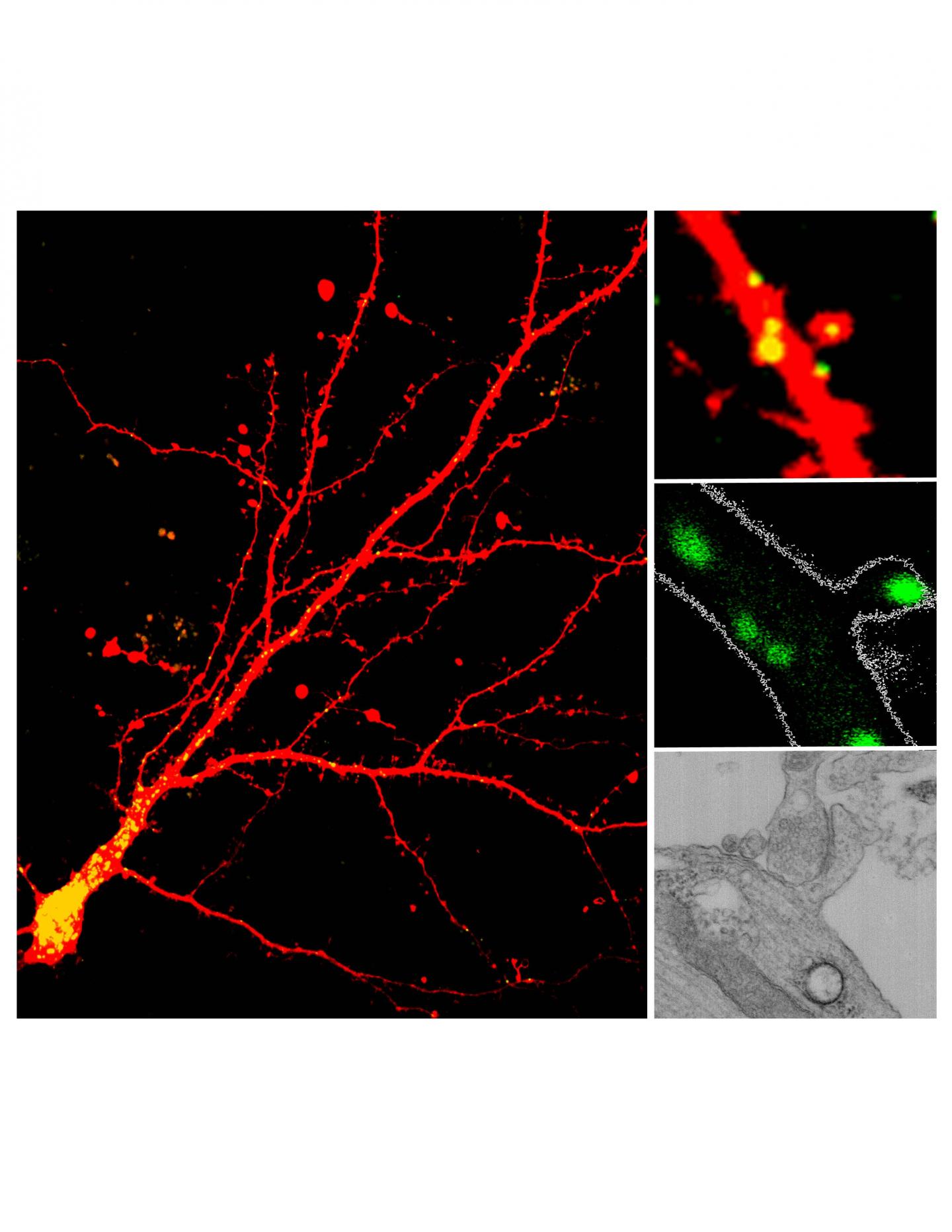
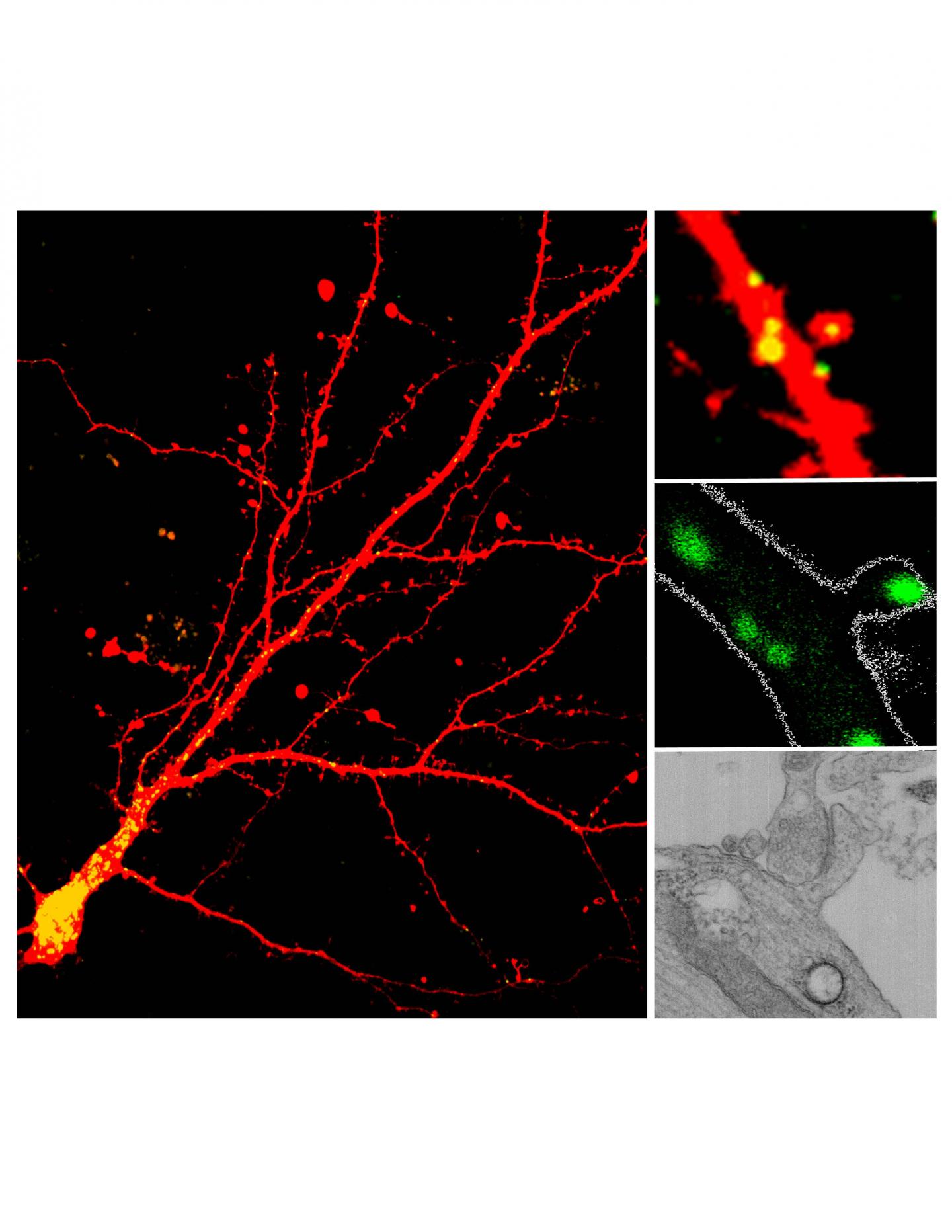
IMAGE

Credit: Marisa Goo, Gentry Patrick/UC San Diego

Keeping the human brain in a healthy state requires a delicate balance between the generation of new cellular material and the destruction of old. Specialized structures known as lysosomes, found in nearly every cell in your body, help carry out this continuous turnover by digesting material that is too old or no longer useful.

Scientists have a strong interest in this degradation process since it must be tightly regulated to ensure healthy brain functioning for learning and memory. When lysosomes fail to do their job, brain-related disorders such as Parkinson's and Alzheimer's are possible.

Scientists at the University of California San Diego, led by graduate student Marisa Goo under the guidance of Professor Gentry Patrick, have provided the first evidence that lysosomes can travel to distant parts of neurons to branch-like areas known as dendrites. Surprisingly, they also found that lysosomes can be recruited to dendritic spines, specific areas where neurons communicate with each other. The researchers also revealed that direct activation of a single dendritic spine can directly recruit lysosomes to these specialized locations. The results are published in the Aug. 7 issue of the Journal of Cell Biology.

"Previously there was no reason to think that lysosomes could travel out to the ends of dendrites at synapses," said Patrick a professor of neurobiology in UC San Diego's Division of Biological Sciences. "We are showing neuronal activity is delivering them to the synapse and they are playing an integral and instructive role in remodeling and plasticity, which are so important for learning and memory."

The researchers used genetically encoded fluorescent markers to label lysosomes and follow their movements, sometimes tens and even hundreds of microns away from the cell body. Confocal, two-photon, and electron microscopy were used to reveal that lysosomes move in dendrites and are present in spines, something previously unseen.

"We've shown that lysosomes can be recruited to a single synapse… until now we had no idea that lysosomes could receive such instructive cues," said Patrick, "For many neurodegenerative diseases, lysosome disfunction seems to play a role. So now we can look at the distribution and trafficking of lysosomes–which we now know are controlled by neurons–and ask: Is that altered in disease?"

###

Coauthors of the study include Laura Sancho, Natalia Slepak, Daniela Boassa, Thomas Deerinck, Mark Ellisman and Brenda Bloodgood.

Media Contact

Mario Aguilera
[email protected]
858-822-5148
@UCSanDiego

http://www.ucsd.edu

Original Source

http://biology.ucsd.edu/about/news/article_080717.html http://dx.doi.org/10.1083/jcb.201704068

Share16Tweet8Share2ShareShareShare2

Related Posts

Florida Cane Toad: Complex Spread and Selective Evolution

Florida Cane Toad: Complex Spread and Selective Evolution

February 7, 2026
New Study Uncovers Mechanism Behind Burn Pit Particulate Matter–Induced Lung Inflammation

New Study Uncovers Mechanism Behind Burn Pit Particulate Matter–Induced Lung Inflammation

February 6, 2026

DeepBlastoid: Advancing Automated and Efficient Evaluation of Human Blastoids with Deep Learning

February 6, 2026

Navigating the Gut: The Role of Formic Acid in the Microbiome

February 6, 2026
Please login to join discussion

POPULAR NEWS

  • Robotic Ureteral Reconstruction: A Novel Approach

    Robotic Ureteral Reconstruction: A Novel Approach

    82 shares
    Share 33 Tweet 21
  • Digital Privacy: Health Data Control in Incarceration

    63 shares
    Share 25 Tweet 16
  • Study Reveals Lipid Accumulation in ME/CFS Cells

    57 shares
    Share 23 Tweet 14
  • Breakthrough in RNA Research Accelerates Medical Innovations Timeline

    53 shares
    Share 21 Tweet 13

About

We bring you the latest biotechnology news from best research centers and universities around the world. Check our website.

Follow us

Recent News

Evaluating Pediatric Emergency Care Quality in Ethiopia

TPMT Expression Predictions Linked to Azathioprine Side Effects

Improving Dementia Care with Enhanced Activity Kits

Subscribe to Blog via Email

Enter your email address to subscribe to this blog and receive notifications of new posts by email.

Join 73 other subscribers
  • Contact Us

Bioengineer.org © Copyright 2023 All Rights Reserved.

Welcome Back!

Login to your account below

Forgotten Password?

Retrieve your password

Please enter your username or email address to reset your password.

Log In
No Result
View All Result
  • Homepages
    • Home Page 1
    • Home Page 2
  • News
  • National
  • Business
  • Health
  • Lifestyle
  • Science

Bioengineer.org © Copyright 2023 All Rights Reserved.