• HOME
  • NEWS
  • EXPLORE
    • CAREER
      • Companies
      • Jobs
    • EVENTS
    • iGEM
      • News
      • Team
    • PHOTOS
    • VIDEO
    • WIKI
  • BLOG
  • COMMUNITY
    • FACEBOOK
    • INSTAGRAM
    • TWITTER
Saturday, February 7, 2026
BIOENGINEER.ORG
No Result
View All Result
  • Login
  • HOME
  • NEWS
  • EXPLORE
    • CAREER
      • Companies
      • Jobs
        • Lecturer
        • PhD Studentship
        • Postdoc
        • Research Assistant
    • EVENTS
    • iGEM
      • News
      • Team
    • PHOTOS
    • VIDEO
    • WIKI
  • BLOG
  • COMMUNITY
    • FACEBOOK
    • INSTAGRAM
    • TWITTER
  • HOME
  • NEWS
  • EXPLORE
    • CAREER
      • Companies
      • Jobs
        • Lecturer
        • PhD Studentship
        • Postdoc
        • Research Assistant
    • EVENTS
    • iGEM
      • News
      • Team
    • PHOTOS
    • VIDEO
    • WIKI
  • BLOG
  • COMMUNITY
    • FACEBOOK
    • INSTAGRAM
    • TWITTER
No Result
View All Result
Bioengineer.org
No Result
View All Result
Home NEWS Science News Biology

New botulinum neurotoxin discovered — potential to treat a number of medical conditions

Bioengineer by Bioengineer
August 3, 2017
in Biology
Reading Time: 2 mins read
0
Share on FacebookShare on TwitterShare on LinkedinShare on RedditShare on Telegram
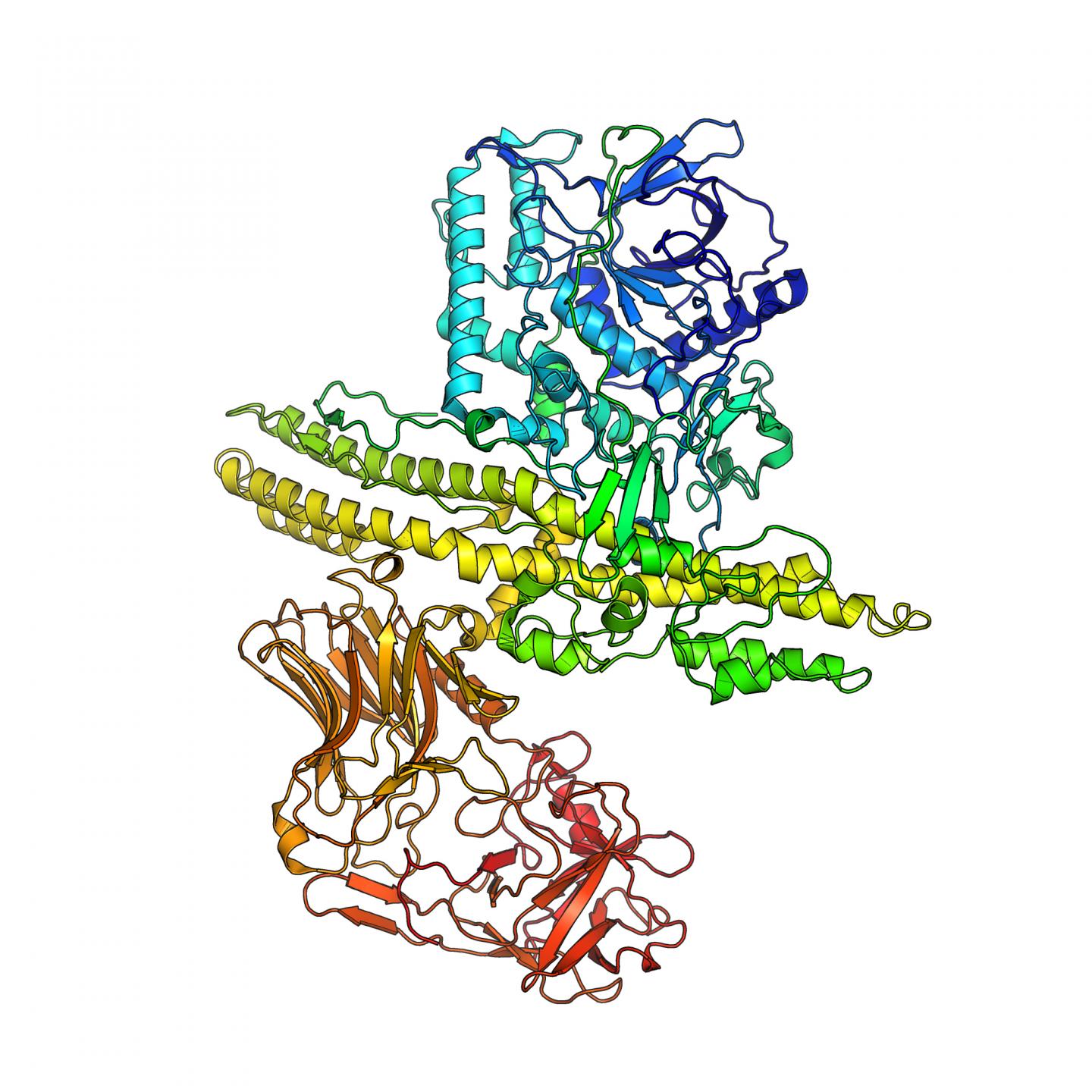
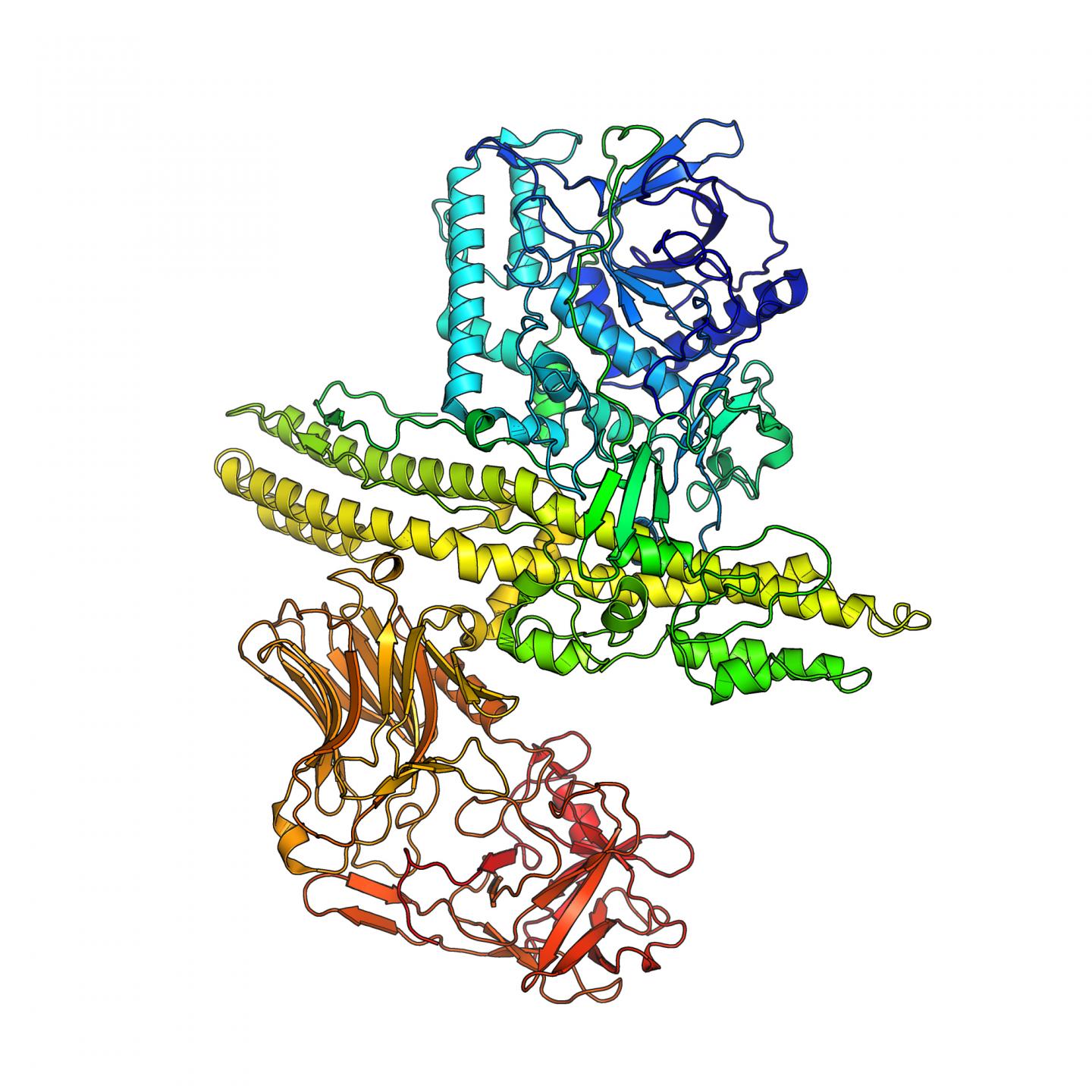
IMAGE

Credit: Pål Stenmark

Botulinum toxins are currently used on more than 80 medical conditions including Muscle spasms, Overactive bladder, Chronic migraine, Cervical dystonia, Sweating and Cerebral Palsy (CP). The new toxin, Botulinum neurotoxin type X (BoNT/X), has the potential to open up a new field of toxin therapeutics related to intracellular membrane trafficking and secretion.

Since Botulinum neurotoxins are the most toxic substances known, the development of detection methods and treatments is very important.

"The discovery of BoNT/X facilitates the development of diagnostics and countermeasures which is important if someone would be exposed to a toxic amount of the substance", says Pal Stenmark, Associate Professor, Department of Biochemistry and Biophysics, Stockholm University.

The research team will now develop antibodies with the ability to detect and inactivate the toxin.

"Within a few months we will have developed ways of detecting if a person has been subject to BoNT/X", says Pal Stenmark.

The researchers will determine the structure of the toxin and investigate how it binds to the nerve cell. They will also investigate how the unique properties of BoNT/X can be best used to develop new therapeutics.

Discovered through an infant in Japan

It all started with an infant in Japan that became ill in 1995. In 2015 the genome of the bacteria isolated from the child was sequenced and deposited in a database. Hidden in the four million letter blueprint of the bacterium, the research team identified the novel toxin.

"When we first discovered this toxin I believed we had made some error in the analysis, but after checking several times it turned out to be correct. This discovery opens a multitude of new exciting research topics that we are eager to explore in collaboration with Dr. Min Dong's research team at Harvard", says Pal Stenmark.

###

Link to the article "Identification and characterization of a novel botulinum neurotoxin" in Nature Communications: http://www.nature.com/articles/ncomms14130

For further information, please contact Pal Stenmark, Associate Professor, Department of Biochemistry and Biophysics, Stockholm University, e-mail: [email protected], cellphone: +46 739-84 12 16.

Media Contact

Annika Hallman
[email protected]

http://www.su.se/english

Related Journal Article

http://dx.doi.org/10.1038/NCOMMS14130

Share24Tweet7Share2ShareShareShare1

Related Posts

Florida Cane Toad: Complex Spread and Selective Evolution

Florida Cane Toad: Complex Spread and Selective Evolution

February 7, 2026
New Study Uncovers Mechanism Behind Burn Pit Particulate Matter–Induced Lung Inflammation

New Study Uncovers Mechanism Behind Burn Pit Particulate Matter–Induced Lung Inflammation

February 6, 2026

DeepBlastoid: Advancing Automated and Efficient Evaluation of Human Blastoids with Deep Learning

February 6, 2026

Navigating the Gut: The Role of Formic Acid in the Microbiome

February 6, 2026
Please login to join discussion

POPULAR NEWS

  • Robotic Ureteral Reconstruction: A Novel Approach

    Robotic Ureteral Reconstruction: A Novel Approach

    82 shares
    Share 33 Tweet 21
  • Digital Privacy: Health Data Control in Incarceration

    63 shares
    Share 25 Tweet 16
  • Study Reveals Lipid Accumulation in ME/CFS Cells

    57 shares
    Share 23 Tweet 14
  • Breakthrough in RNA Research Accelerates Medical Innovations Timeline

    53 shares
    Share 21 Tweet 13

About

We bring you the latest biotechnology news from best research centers and universities around the world. Check our website.

Follow us

Recent News

Digital Health Perspectives from Baltic Sea Experts

Florida Cane Toad: Complex Spread and Selective Evolution

Exploring Decision-Making in Dementia Caregivers’ Mobility

Subscribe to Blog via Email

Enter your email address to subscribe to this blog and receive notifications of new posts by email.

Join 73 other subscribers
  • Contact Us

Bioengineer.org © Copyright 2023 All Rights Reserved.

Welcome Back!

Login to your account below

Forgotten Password?

Retrieve your password

Please enter your username or email address to reset your password.

Log In
No Result
View All Result
  • Homepages
    • Home Page 1
    • Home Page 2
  • News
  • National
  • Business
  • Health
  • Lifestyle
  • Science

Bioengineer.org © Copyright 2023 All Rights Reserved.