Pancreas transplantation occupies a strange position in modern medicine. It remains the only established surgical therapy that delivers long-term insulin independence for people living with insulin-dependent diabetes, yet the number of these operations performed in the United States has fallen steadily for the better part of two decades. A new review published in Current Transplantation Reports by Santosh Nagaraju of the Medical University of South Carolina, Matthew K. Harris and Ty B. Dunn of the Medical College of Wisconsin, argues that this decline has now collided with another problem: the shrinking pipeline of surgeons and physicians trained to perform and support the procedure. The result, the authors warn, is a mounting threat to the future pancreas transplant workforce and, ultimately, to patient access to a therapy that can transform lives.
The review examines national trends in pancreas transplant activity, the workforce currently in place, and the fellowship training exposure available to the next generation of transplant specialists. Its central conclusion is stark: declining procedure numbers have undermined surgical and medical training opportunities in a field that is among the most technically complex in all of transplantation. The consequences are visible at every stage of the process, from the recovery of the donor organ in the operating room of a donor hospital to the backbench preparation of the organ and finally the implantation surgery itself. Fewer transplants mean fewer opportunities for trainees to develop and maintain the skills the operation demands.
The numbers tell a story of sustained contraction. Pancreas transplantation in the United States peaked in the mid-2000s, when more than 1,400 procedures were performed annually, and has declined markedly and persistently at both the national and programmatic levels since then. The OPTN/SRTR 2024 Annual Data Report, cited in the review, documents the continued erosion of activity. Multiple centers have abandoned their pancreas programs entirely, concentrating what remains of the national volume into a small number of high-volume institutions. This concentration may preserve outcomes at those centers, but it hollows out the training ecosystem elsewhere, leaving many transplant surgery fellows with little or no hands-on pancreas experience during their formal education.
The authors trace the decline to a convergence of systemic drivers rather than a single cause. Shifts in allocation policy, evolving practice patterns, perceptions of risk relative to benefit, and competition from emerging therapies have all played a role. A 2024 Delphi survey and US conference report published in the American Journal of Transplantation, led by Robert F. Parsons and including Dunn among its authors, gathered experts to generate strategies for a national comeback in pancreas transplantation, reflecting growing alarm within the field. Earlier analyses, including a widely discussed 2016 paper titled Pancreas Transplantation: An Alarming Crisis in Confidence, had already documented the erosion and warned of its downstream consequences.
At the same time, the demand side of the equation has not disappeared. Recent survey data published in Diabetes Care found a persistent burden of severe hypoglycemia and impaired awareness of hypoglycemia among people with type 1 diabetes, even among those using modern diabetes technology. Continuous glucose monitors and automated insulin delivery systems have transformed daily management for many patients, but they do not eliminate the most dangerous complications of the disease for everyone. Consensus reports from the American Diabetes Association and the European Association for the Study of Diabetes continue to identify pancreas transplantation as the definitive option for selected patients with severe, unstable diabetes. The clinical need, in other words, remains robust even as the surgical capacity to meet it withers.
The evidence base supporting the procedure is also stronger than the declining volumes might suggest. A 30-year follow-up of a nationwide Dutch cohort published in Diabetes Care demonstrated superior long-term survival for simultaneous pancreas-kidney transplantation compared with kidney transplantation alone as renal replacement therapy for diabetic patients. A propensity-matched global cohort study published in 2025 in Transplantation International compared simultaneous pancreas-kidney transplantation with kidney transplant alone in real-world conditions. Long-term single-center data from Canada, published in The Lancet Diabetes & Endocrinology, documented two decades of durable outcomes for pancreatic islet transplantation, a related cell-based therapy. Together these studies reinforce that replacing or supplementing the diabetic pancreas delivers measurable, lasting benefit.
Paradoxically, two developments that should be good news for the field are compounding the training crisis. The first is the dramatic rise in donation after circulatory death, or DCD, organ recovery in the United States, documented in a 2026 analysis in JAMA. DCD donors now represent a substantial and growing share of deceased organ donation, and pancreata from these donors present unique technical challenges during recovery and preservation. The second is the rapid adoption of perfusion technologies, machine-based systems that circulate preservation fluid through recovered organs to assess and improve their viability. Both developments add layers of complexity to organ recovery and evaluation that trainees must master, precisely as the overall volume of pancreas transplants available for hands-on learning continues to shrink.
The mechanics of organ recovery deserve particular attention. In the current US system, organ procurement organizations coordinate donation, and the recovery surgeon’s skill heavily influences whether a pancreas is ultimately transplanted or discarded. Studies have shown that dedicated recovery surgeons and full-time organ recovery teams can reduce the discard of marginal organs, and the review’s authors point to the effect of less training being evident in both the recovery and transplant settings. A surgeon who has never been taught to meticulously dissect the pancreatic vessels and avoid injury to the organ’s delicate vascular supply may inadvertently render an otherwise usable pancreas untransplantable. Research on pancreata recovered for research purposes, published in the American Journal of Transplantation in 2024, examined whether the growing diversion of recovered pancreata to research has further affected transplantation availability. Every discarded or diverted organ represents not only a lost opportunity for a patient but also a lost training case for a fellow.
The training infrastructure itself is fragmented. Pancreas transplant training in the United States occurs largely within abdominal transplant surgery fellowships accredited under requirements developed by the Transplant Accreditation & Certification Council, but the actual exposure a fellow receives depends heavily on the volume and composition of cases at their home program. Parallel concerns have been raised in transplant nephrology, where published surveys of program directors and debates over whether the subspecialty should pursue formal recognition from the Accreditation Council for Graduate Medical Education reveal similar anxieties about inconsistent training exposure. Some innovators have responded with creative solutions, including a hands-on training course for pancreas allograft procurement, backbench preparation, and transplantation described in Global Surgical Education in 2023, designed to supplement the clinical experience that declining volumes can no longer guarantee.
The implications extend well beyond the operating room. If the current trajectory continues, the review suggests, the United States could face a self-reinforcing spiral: fewer trained surgeons lead to fewer programs, fewer programs lead to fewer transplants, and fewer transplants leave even fewer opportunities to train the next cohort. Meanwhile, cell-based alternatives are advancing rapidly, including stem cell-derived islet therapies reported in the New England Journal of Medicine in 2025 and chemically induced pluripotent stem cell-derived islets transplanted in a patient with type 1 diabetes, described in Cell in 2024. These advances offer hope but do not yet replace whole-organ transplantation for the broad population of patients who could benefit from it. The authors frame their analysis as a call to action: without deliberate national strategies to revitalize pancreas transplantation and safeguard its training pathways, a therapy that offers genuine insulin independence risks becoming available to only a fortunate few, delivered by a workforce that is aging out faster than it can be replaced.
Subject of Research: Trends in pancreas transplantation activity and surgical training in the United States
Article Title: Pancreas Transplant Training in the United States: Trends and Implications
Article References: Nagaraju, S., Harris, M. K., & Dunn, T. B. (2026). Pancreas Transplant Training in the United States: Trends and Implications. Current Transplantation Reports, 13(1), Article 33. https://doi.org/10.1007/s40472-026-00529-4
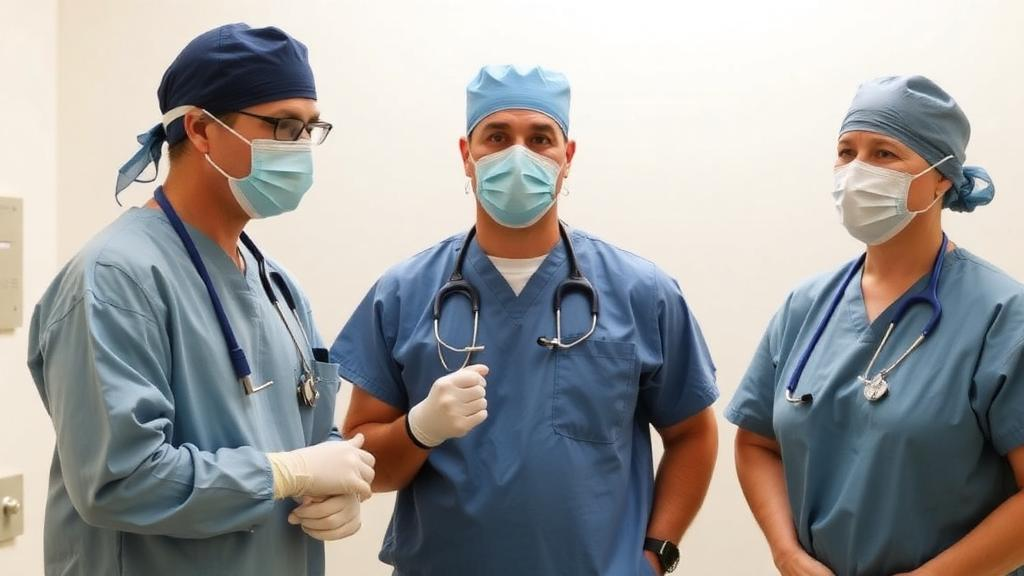
Image Credits: AI Generated
DOI: 10.1007/s40472-026-00529-4
Keywords: pancreas transplantation, surgical training, transplant workforce, donation after circulatory death, organ perfusion, type 1 diabetes, simultaneous pancreas-kidney transplant, organ procurement, fellowship training, islet transplantation, organ discard, transplant policy
News Source: Ophelia Keating. (October 8, 2026). America Is Running Out of Pancreas Transplant Surgeons. Scienmag.