Sepsis remains one of the most feared conditions in modern medicine, a runaway inflammatory storm that can shut down organs within hours and kill millions of people worldwide every year. Among the organs most vulnerable to this cascade are the kidneys, which fail with alarming frequency in septic patients and dramatically worsen their odds of survival. Now, a team of researchers in Turkey has reported that blocking a single enzyme in the body’s endocannabinoid system can substantially protect the kidneys from sepsis-associated damage in a laboratory model, offering a fresh therapeutic angle on one of intensive care medicine’s most stubborn problems. The study, published in Molecular Biology Reports, examined a compound known as URB597 and found that it reduced kidney injury, inflammation, and cell death in rats subjected to experimental sepsis.
The research, led by Murat Çakır of Yozgat Bozok University together with colleagues at Yozgat Bozok University, Osmaniye Korkut Ata University, and Inonu University, focused on fatty acid amide hydrolase, or FAAH, the enzyme responsible for breaking down anandamide, one of the body’s principal endogenous cannabinoids. Anandamide and its molecular cousins are not merely the chemicals that give cannabis its effects; they are native signaling molecules that the body deploys to fine-tune pain, immune responses, inflammation, and cell survival. By inhibiting FAAH, URB597 prevents anandamide from being rapidly degraded, effectively amplifying the body’s own anti-inflammatory signaling without introducing any plant-derived or psychoactive compounds. This strategy of augmenting endocannabinoid tone has attracted growing interest as researchers probe its potential in inflammatory and ischemic diseases.
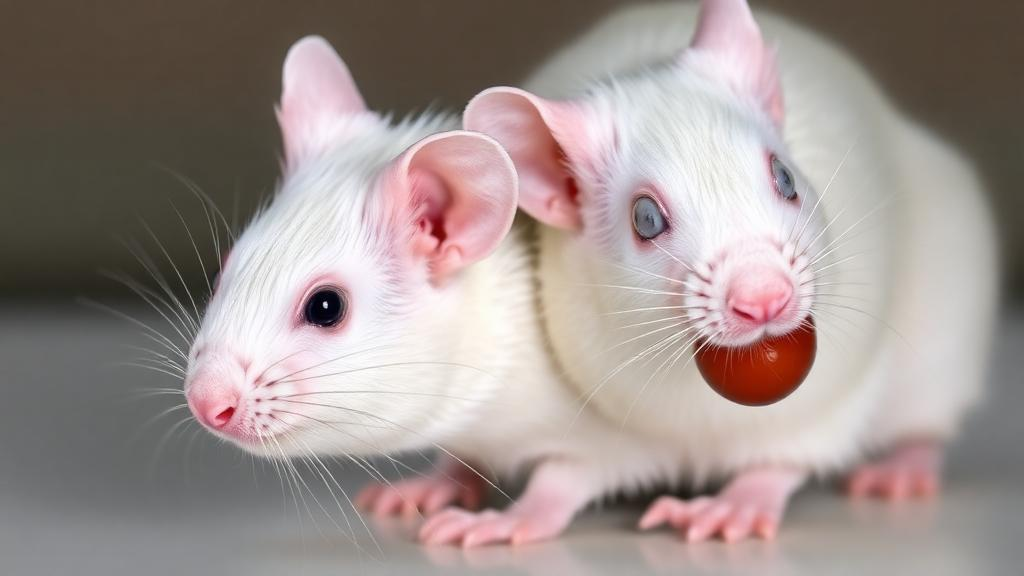
To test whether this approach could protect the kidneys during sepsis, the investigators used the cecal ligation and puncture model, widely regarded as the gold standard for reproducing polymicrobial sepsis in rodents. In this model, the cecum is ligated and punctured, allowing intestinal bacteria to spill into the peritoneal cavity and trigger a systemic infection that closely mirrors the clinical course of septic shock in patients. Forty male Sprague-Dawley rats were divided into four groups of ten animals each: a healthy control group, a sepsis group receiving no treatment, and two sepsis groups treated with URB597 at doses of either 0.3 or 0.6 milligrams per kilogram of body weight. Critically, the drug was administered intraperitoneally within five minutes of the sepsis induction, a timing designed to test whether early intervention could blunt the inflammatory cascade before it inflicted irreversible damage.
Twenty-four hours after sepsis was induced, the researchers collected blood and kidney tissue for a battery of biochemical, histopathological, and immunohistochemical analyses. The results in the untreated septic animals were stark. Serum levels of blood urea nitrogen and creatinine, the classic clinical markers of kidney dysfunction, rose significantly, as did neutrophil gelatinase-associated lipocalin, or NGAL, an earlier and more sensitive biomarker of tubular injury that has gained traction in nephrology for flagging kidney damage before conventional blood tests change. Alongside these functional markers, the septic rats showed elevated circulating levels of the pro-inflammatory cytokines tumor necrosis factor-alpha and interleukin-1 beta, signaling molecules that drive much of the tissue destruction seen in sepsis.
Under the microscope, the kidneys of untreated septic rats displayed the characteristic hallmarks of acute injury: disrupted tubular architecture, cellular swelling, and inflammatory infiltration. But in the animals that received URB597, the picture changed dramatically. Both doses of the drug significantly reduced the sepsis-induced elevations in BUN, creatinine, NGAL, TNF-alpha, and IL-1 beta compared with untreated septic controls, and the histopathological damage to the kidney tissue was visibly attenuated. Interestingly, when the two doses were compared head to head, the researchers found no significant differences between them in the serum biochemical parameters, suggesting that even the lower dose captured most of the protective effect within the timeframe studied.
The mechanistic heart of the study lies in its immunohistochemical findings, which traced the protective effect to a specific molecular pathway. Toll-like receptor 4, or TLR4, is a pattern-recognition receptor on immune and kidney cells that acts as an alarm bell for bacterial components, launching a signaling chain that activates nuclear factor-kappa B, or NF-kappa B, a transcription factor often described as the master switch of inflammation. When NF-kappa B is activated, its inhibitory protein I-kappa B-alpha is phosphorylated and degraded, allowing the transcription factor to enter the nucleus and switch on genes encoding TNF-alpha, interleukin-1 beta, and interleukin-6. In the septic rats, the researchers detected strong renal immunoreactivity for TLR4, phosphorylated NF-kappa B, and phosphorylated I-kappa B-alpha, confirming that this inflammatory axis had been ignited in the kidney tissue itself.
URB597 treatment significantly dampened all of these molecular markers. The treated animals showed reduced renal immunoreactivity for TLR4, phosphorylated NF-kappa B, phosphorylated I-kappa B-alpha, TNF-alpha, IL-1 beta, and IL-6, indicating that the drug had effectively turned down the volume on the kidney’s local inflammatory response rather than merely masking systemic markers. This pathway-level suppression is significant because the TLR4/NF-kappa B axis has been implicated not only in septic kidney injury but also in renal damage from ischemia-reperfusion and toxic insults, meaning that a drug acting here could theoretically have broad nephroprotective applications.
Equally important was the drug’s effect on apoptosis, the programmed cell death process that contributes to the loss of functional tubular cells in septic kidneys. The researchers measured renal levels of cleaved caspase-3, the executioner enzyme that disassembles the cell from within, and caspase-8, an initiator caspase that relays death signals from inflammatory pathways. Both were elevated in the septic animals and significantly reduced by URB597 treatment. This dual action, suppressing both the inflammatory cascade and the apoptotic machinery downstream of it, suggests that boosting endocannabinoid signaling protects kidney tissue at multiple points along the injury pathway rather than targeting a single vulnerable node.
The findings dovetail with a growing body of literature on the endocannabinoid system in kidney disease. Previous work has shown that FAAH inhibition or genetic deletion protects against renal fibrogenesis after ischemia-reperfusion injury and ameliorates cisplatin-induced nephropathy in mice, while other studies have demonstrated that endocannabinoid degradation inhibitors reduce leukocyte adhesion and improve microvascular perfusion in experimental endotoxemia. Elevated levels of the endocannabinoids anandamide and 2-arachidonoylglycerol have even been proposed as prognostic markers in septic patients, hinting that the body may naturally ramp up this protective system in response to infection. The present study extends this line of inquiry directly into sepsis-associated acute kidney injury, one of the most clinically consequential settings in which the endocannabinoid system had remained comparatively underexplored.
As with all preclinical work, considerable distance separates a rat model from the intensive care unit. The cecal ligation and puncture model, while rigorous, cannot fully capture the heterogeneity of human sepsis, and the drug was given within minutes of sepsis induction, a therapeutic window that rarely exists in clinical practice where patients arrive hours or days after infection begins. Dosing, safety, and efficacy in humans remain entirely untested, and URB597 itself has had a complicated development history as a clinical candidate. Nevertheless, the study provides a clear and mechanistically grounded proof of concept: enhancing the body’s own cannabinoid signaling through FAAH inhibition can measurably reduce kidney injury, inflammation, and cell death in experimental sepsis, acting through the well-characterized TLR4/NF-kappa B pathway. For a condition in which supportive care remains the mainstay of treatment and no specific drug currently protects the kidneys from septic damage, that proof of concept is a development worth watching closely as the field moves toward translating endocannabinoid science into nephroprotective therapies.
Subject of Research: Protective effects of FAAH inhibition with URB597 in experimental sepsis-associated acute kidney injury
Article Title: URB597 attenuates experimental sepsis-associated acute kidney injury with reduced renal inflammation, apoptosis, and TLR4/NF-κB activation
Article References: Çakır, M., Aydın, A., Bircan, B., Fırat, S., & Tekin, S. (2026). URB597 attenuates experimental sepsis-associated acute kidney injury with reduced renal inflammation, apoptosis, and TLR4/NF-κB activation. Molecular Biology Reports, 53(1), Article 1631. https://doi.org/10.1007/s11033-026-12803-w
Image Credits: AI Generated
DOI: 10.1007/s11033-026-12803-w
Keywords: sepsis, acute kidney injury, URB597, FAAH, endocannabinoid system, anandamide, TLR4, NF-kappa B, inflammation, apoptosis, cytokines, rat model
News Source: Drew Townsend. (October 7, 2026). Cannabis-Derived Enzyme Blocker Shields Kidneys From Deadly Sepsis Damage in Rat Study. Scienmag.