A rare genomic disorder has claimed new ground in the medical literature, with clinicians in Tehran reporting the case of an eight-month-old female infant whose illness traced back to a microscopic deletion on chromosome 19. The report, published in Molecular Biology Records, describes a child whose brief life was marked by severe enlargement of the heart, gastrointestinal complications, limb anomalies, macrocephaly, and repeated pulmonary infections. The case adds a fatal outcome and prominent digestive symptoms to a syndrome that has, until now, been described in only a small number of children worldwide, and it underscores how much remains unknown about the relationship between deleted genes and the clinical features they produce.
The condition in question is 19p13.3 microdeletion syndrome, a rare and clinically heterogeneous genomic disorder caused by the loss of a small stretch of genetic material near the tip of the short arm of chromosome 19. Because the deleted segment can vary considerably in size from one patient to another, the syndrome does not present as a single recognizable disease. Instead, affected individuals may show global developmental delay, a range of congenital anomalies, and distinct craniofacial differences, with the precise combination and severity of symptoms depending heavily on which genes fall within the deleted region. This genotype-phenotype relationship is a central theme in the literature on the disorder and is precisely what makes each new case report valuable to clinicians trying to map the syndrome’s boundaries.
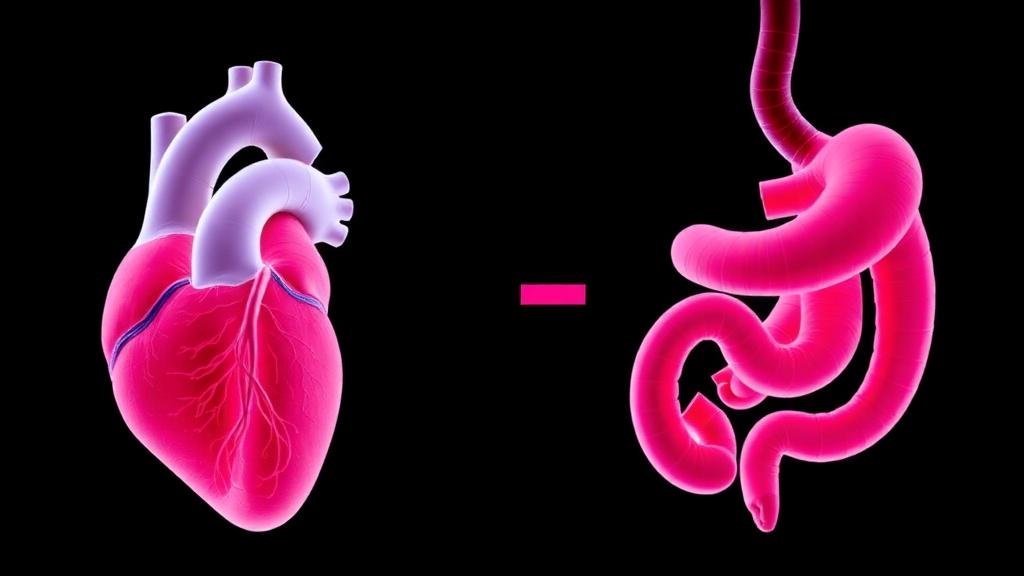
In the newly reported case, the infant was referred for evaluation of multisystemic complications that had already produced a daunting list of problems. Clinical examination revealed congenital heart defects and severe cardiomegaly, an abnormal enlargement of the heart that in this instance proved fatal. The child also presented with limb anomalies, macrocephaly, or an unusually large head, and recurrent pulmonary infections that compounded the clinical picture. Gastrointestinal manifestations, including vomiting and diarrhea, were a prominent feature of the illness. The authors note that digestive symptoms have rarely been reported in association with this condition, making their patient’s presentation particularly noteworthy for the expanding clinical record.
The diagnostic breakthrough came through a technique known as oligo-array comparative genomic hybridization, or oligo-array CGH. This laboratory method works by comparing a patient’s DNA against a reference genome on a microarray chip populated with thousands of short oligonucleotide probes covering the genome. Differences in fluorescence signal reveal regions where the patient has either lost or gained genetic material, often at a resolution far finer than a standard karyotype can achieve. In this case, the analysis uncovered a deletion measuring 1.8 megabases, a stretch of DNA encompassing 55 genes. Identifying the exact size and gene content of such a deletion is essential, because it allows clinicians to compare the patient against previously reported cases and to begin assigning specific features to specific genes.
Among the 55 genes within the deleted interval, several have already attracted attention in earlier studies of 19p13.3 deletions. The MAP2K2 gene, which encodes the kinase MEK2, a component of the RAS-MAPK signaling pathway that governs cell proliferation and differentiation, has been implicated in cases resembling cardiofaciocutaneous syndrome, a RASopathy characterized by heart defects, distinctive facial features, skin abnormalities, and developmental delay. Previous work has also suggested that PIAS4, a gene involved in sumoylation and the regulation of protein function, may be a major contributor to the proximal 19p13.3 microdeletion phenotype. Other genes in the region have been linked to cardiac development, including members of the ZBTB family of transcription factors, and to brain growth, such as the lamin genes whose variants cause primary microcephaly and the cell-cycle regulator CDH1, whose disruption has been associated with microcephaly, psychomotor retardation, and epilepsy.
The gastrointestinal findings in this case deserve particular emphasis. Although congenital heart disease and neurodevelopmental problems dominate the published literature on 19p13.3 microdeletions, digestive complications have appeared only sporadically. One earlier report described a newborn with a 19p13.3 deletion including MAP2K2 who had cardio-facio-cutaneous syndrome together with gastrointestinal defects, and another described a child with a chromosome 19p13.3 deletion in the context of Peutz-Jeghers syndrome and congenital heart defect. The vomiting and diarrhea observed in the Iranian infant, occurring alongside severe cardiac disease, suggest that the digestive system may be more frequently involved in this syndrome than the sparse literature indicates, and that the gene content of larger deletions may include factors necessary for normal gastrointestinal development or function.
The fatal outcome of the case also highlights the severity that 19p13.3 microdeletions can reach when the deleted segment is large. Severe cardiomegaly in an infant is a grave finding, often reflecting structural heart defects, myocardial dysfunction, or volume overload, and in combination with recurrent pulmonary infections it can create a lethal cycle in which cardiac compromise worsens respiratory disease and vice versa. The authors describe their patient’s phenotype as complex and multisystemic, and the report’s title explicitly characterizes the case as fatal. For clinicians, the message is that infants presenting with combinations of congenital heart defects, unusual head size, limb anomalies, and unexplained gastrointestinal symptoms may warrant genomic investigation even when the initial suspicion does not point to a chromosomal disorder.
The technique used to reach the diagnosis also carries a broader lesson for pediatric medicine. Oligo-array CGH has become a cornerstone of modern cytogenetics precisely because it can detect copy-number variants, deletions, and duplications that are invisible under the microscope. In rare syndromes such as this one, where the phenotype overlaps with many other conditions, genomic analysis is often the only route to a definitive answer. The authors of the report argue that their case underscores the importance of such analysis in understanding the underlying disease mechanisms of the syndrome. Each precisely characterized deletion narrows the search for the genes responsible for individual features, a process already illustrated in the literature by a case that narrowed the subtelomeric 19p13.3 microdeletion region to just 46 kilobases in a patient with cardiac, skeletal, speech, and motor traits.
The accumulated case reports on 19p13.3 deletions now paint a picture of remarkable phenotypic diversity. Published accounts include children with ocular manifestations, ptosis leading to the diagnosis of MAP2K2-linked cardiofaciocutaneous syndrome, lambdoid synostosis in combination with an inherited 16p13.11 microduplication, polyotia, high myopia, learning difficulties, and, in the mirror-image condition of 19p13.3 microduplication, nephrotic syndrome. Recent reports have expanded the spectrum further, describing feeding dysfunction and neurodevelopmental involvement in MAP2K2-related cardiofaciocutaneous syndrome type 4, and retinal development roles for genes such as RAX2. Against this backdrop, the new Iranian case, with its severe cardiomegaly and gastrointestinal manifestations, extends the known boundaries of the syndrome once again and reinforces the principle that deletion size and gene content are the primary determinants of clinical severity.
The research team, led by clinicians at Ali Asghar Children’s Hospital and Iran University of Medical Sciences in Tehran, obtained written informed consent from the parents and received ethics approval from their institution’s ethics committee. The authors declare no competing interests and no external funding for the work. While a single case cannot resolve which of the 55 deleted genes drives which symptom, reports of this kind serve as the raw material for that long-term effort, allowing researchers worldwide to align clinical features with genomic coordinates. For families affected by rare chromosomal disorders, and for the physicians who care for them, each carefully documented case shortens the diagnostic odyssey for the next child and brings the field a step closer to understanding how the loss of a tiny fragment of chromosome 19 can ripple through the development of the heart, the brain, the limbs, and the gut.
Subject of Research: 19p13.3 microdeletion syndrome and its clinical phenotype in a fatal infant case
Article Title: Phenotypic spectrum of 19p13.3 microdeletion: a fatal infant case with severe cardiomegaly and gastrointestinal manifestations
Article References: Eshghi, A., fargi, M. A., Pandi, M., & Tasharrofi, B. (2026). Phenotypic spectrum of 19p13.3 microdeletion: a fatal infant case with severe cardiomegaly and gastrointestinal manifestations. Molecular Biology Reports, 53(1), Article 1633. https://doi.org/10.1007/s11033-026-12791-x
Image Credits: AI Generated
DOI: 10.1007/s11033-026-12791-x
Keywords: 19p13.3 microdeletion, chromosome 19, cardiomegaly, congenital heart defects, gastrointestinal manifestations, oligo-array CGH, MAP2K2, rare genetic disorder, developmental delay, recurrent pulmonary infections, copy-number variant, clinical genetics
News Source: Harold Sullivan. (October 6, 2026). Rare Chromosome 19p13.3 Deletion Linked to Fatal Infant Heart and Gut Complications. Scienmag.