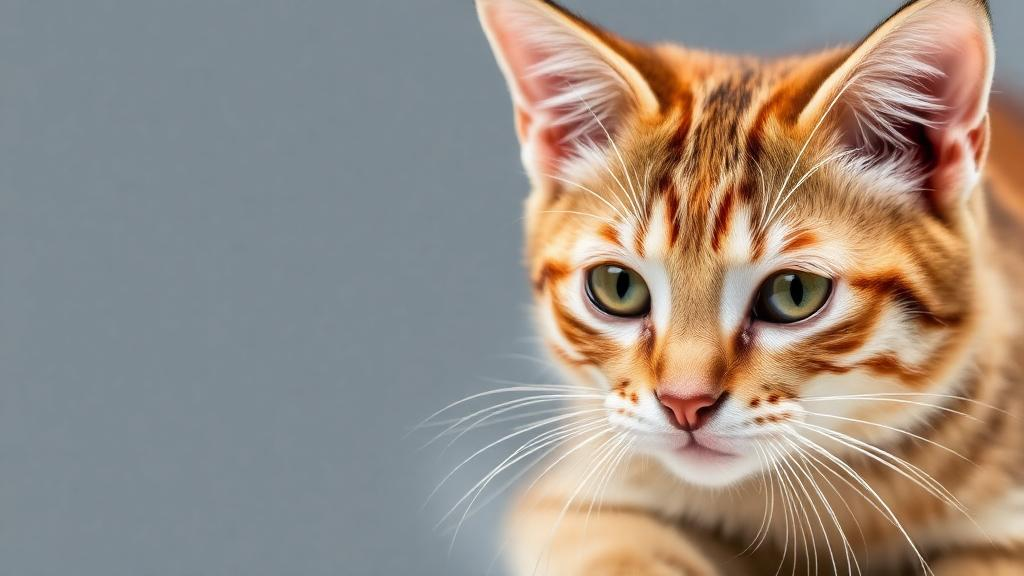
Feline leishmaniosis, a parasitic disease long overshadowed by its better-known canine counterpart, is receiving a major scientific overhaul. An international panel of veterinary parasitologists known as LeishVet has published a comprehensive update of its recommendations on the disease in cats, a decade after the group first issued guidance on the topic. The new review, led by Maria Grazia Pennisi and colleagues and published in the journal Parasites & Vectors, synthesizes the past ten years of research into Leishmania infantum infection in domestic cats and distills it into practical, evidence-informed answers for veterinary practitioners worldwide.
The 2015 edition of the LeishVet review emerged at a time when interest in feline leishmaniosis was growing but the evidence base remained thin. The disease, caused primarily by the protozoan parasite Leishmania infantum and transmitted by phlebotomine sand flies, had been documented in cats across endemic regions, yet most of what clinicians knew came from isolated case reports. In the intervening decade, the landscape has shifted considerably. Veterinary awareness of the disease has increased, diagnostic support has become more widely available, and a steady stream of prevalence studies, clinical descriptions and treatment reports has accumulated in the literature.
Despite this progress, the authors are candid about the limitations of the current evidence. Knowledge of feline leishmaniosis still derives largely from case reports and small case series, with fewer analytical studies and a lower overall level of evidence than is available for canine leishmaniosis. Dogs remain the principal reservoir host of L. infantum and the model species for most leishmaniosis research, meaning that extrapolation from canine data to feline patients must be made cautiously. It is precisely this gap that the updated review seeks to address, combining key international publications with the clinical expertise and structured consensus of the expert panel.
To make the guidance as usable as possible, the panel organized the review around a series of questions covering the aspects of the disease most relevant to practitioners. These span the etiology of the infection, its transmission dynamics, its epidemiology including geographical distribution and risk factors, the immunology of the host-parasite relationship in cats, the range of clinical presentations and clinicopathological findings, the role of coinfections and comorbidities, diagnosis, prognosis based on clinical staging, treatment, monitoring and prevention. Each answer is supported by visual aids, including tables, figures and algorithms designed to guide clinical decision-making at the point of care.
The review focuses primarily on L. infantum infection and disease in domestic cats, reflecting the fact that this species is by far the most frequently diagnosed cause of leishmaniosis in felines. However, the panel also devoted two specific questions to topics that extend beyond the household cat. One addresses infection in wild felids, providing support for veterinary specialists working in wildlife and zoo medicine, where leishmaniosis has increasingly been recognized. The other considers Leishmania species other than L. infantum, an issue of growing relevance as globalization moves animals, vectors and pathogens across borders and presents practitioners with new diagnostic challenges.
Supporting the epidemiological sections of the review are two extensive supplementary tables compiled from data published between 2015 and 2025. The first covers the prevalence of Leishmania infection in cats in Old World countries, and the second covers the New World, drawing on both serological and molecular detection techniques. These tables catalogue the sampling periods, the characteristics of the studied cat populations and the variables associated with test positivity, and in nearly all cases the species involved was confirmed or presumed to be L. infantum. Together they represent one of the most complete pictures to date of how widely the parasite circulates among cats across both hemispheres.
On the diagnostic front, the review reflects the expanded toolkit now available to clinicians. Serological methods such as the indirect fluorescent antibody test, enzyme-linked immunosorbent assay and the direct agglutination test can detect antibody responses, while molecular techniques, including quantitative real-time polymerase chain reaction, allow parasite DNA to be detected and quantified in tissue and blood samples. Cytology, histopathology and immunohistochemistry remain important for demonstrating amastigote forms in lesions. The panel’s recommendations emphasize how these tools should be interpreted in combination, since infection and clinical disease are not the same thing, and cats can carry the parasite without showing signs of illness.
Coinfections and comorbidities receive particular attention in the updated guidance, reflecting the complex clinical reality of feline medicine. Retroviral infections with feline immunodeficiency virus and feline leukaemia virus, chronic kidney disease and immune-mediated conditions such as immune-mediated hemolytic anemia and feline chronic gingivostomatitis can all complicate the picture in a cat infected with L. infantum. The review also incorporates modern monitoring parameters relevant to feline patients, including urinary protein-to-creatinine ratios and symmetric dimethylarginine, which are used in staging and tracking chronic kidney disease under the International Renal Interest Society framework. These considerations matter because treatment decisions and prognosis in cats must account for the whole patient, not just the parasite.
Treatment and prevention recommendations are likewise updated in light of the past decade’s experience. Therapeutic options discussed in the context of feline leishmaniosis include allopurinol, meglumine antimoniate and miltefosine, the drugs that form the backbone of therapy in canine leishmaniosis, with the panel weighing their use against the specific pharmacological and safety considerations that apply to cats. Clinical staging is presented as the basis for formulating a prognosis and tailoring monitoring plans, mirroring the staged approach long used in canine medicine. Prevention advice addresses reducing exposure to sand fly vectors, an approach that becomes increasingly important as the geographic footprint of leishmaniosis expands.
The publication of this update comes at a moment when the boundaries of leishmaniosis are shifting. Climate change, animal movement and urbanization are altering the distribution of sand fly vectors and bringing previously unaffected populations of both dogs and cats into contact with L. infantum. For practitioners in endemic areas, the message of the review is that feline leishmaniosis should no longer be treated as a rare curiosity but as a differential diagnosis in cats with compatible clinical signs. For those in emerging areas, the review provides a framework for recognizing a disease they may never have been taught to look for. By consolidating a decade of scattered evidence into structured, consensus-based recommendations, the LeishVet panel has given veterinary medicine its clearest roadmap yet for understanding, diagnosing and managing leishmaniosis in one of its most overlooked hosts.
Subject of Research: Updated veterinary recommendations for the diagnosis, treatment and prevention of feline leishmaniosis caused by Leishmania infantum
Article Title: LeishVet update and current recommendations on feline leishmaniosis
Article References: Pennisi, M. G., Baneth, G., Bourdeau, P., Cardoso, L., Miró, G., Ordeix, L., Solano-Gallego, L., & Oliva, G. (2026). LeishVet update and current recommendations on feline leishmaniosis. Parasites & Vectors, 19(1), Article 421. https://doi.org/10.1186/s13071-026-07642-4
Image Credits: AI Generated
DOI: 10.1186/s13071-026-07642-4
Keywords: feline leishmaniosis, Leishmania infantum, LeishVet, cats, sand flies, veterinary parasitology, diagnosis, clinical staging, treatment, prevention, wild felids, coinfections
News Source: William Thompson. (October 5, 2026). Expert Panel Issues Updated Guidelines on Feline Leishmaniosis as Feline Cases Rise. Scienmag.