• HOME
  • NEWS
  • EXPLORE
    • CAREER
      • Companies
      • Jobs
    • EVENTS
    • iGEM
      • News
      • Team
    • PHOTOS
    • VIDEO
    • WIKI
  • BLOG
  • COMMUNITY
    • FACEBOOK
    • INSTAGRAM
    • TWITTER
Sunday, December 28, 2025
BIOENGINEER.ORG
No Result
View All Result
  • Login
  • HOME
  • NEWS
  • EXPLORE
    • CAREER
      • Companies
      • Jobs
        • Lecturer
        • PhD Studentship
        • Postdoc
        • Research Assistant
    • EVENTS
    • iGEM
      • News
      • Team
    • PHOTOS
    • VIDEO
    • WIKI
  • BLOG
  • COMMUNITY
    • FACEBOOK
    • INSTAGRAM
    • TWITTER
  • HOME
  • NEWS
  • EXPLORE
    • CAREER
      • Companies
      • Jobs
        • Lecturer
        • PhD Studentship
        • Postdoc
        • Research Assistant
    • EVENTS
    • iGEM
      • News
      • Team
    • PHOTOS
    • VIDEO
    • WIKI
  • BLOG
  • COMMUNITY
    • FACEBOOK
    • INSTAGRAM
    • TWITTER
No Result
View All Result
Bioengineer.org
No Result
View All Result
Home NEWS Science News Biology

Global warming could result in losses for the European wine industry

Bioengineer by Bioengineer
July 12, 2017
in Biology
Reading Time: 2 mins read
0
Share on FacebookShare on TwitterShare on LinkedinShare on RedditShare on Telegram
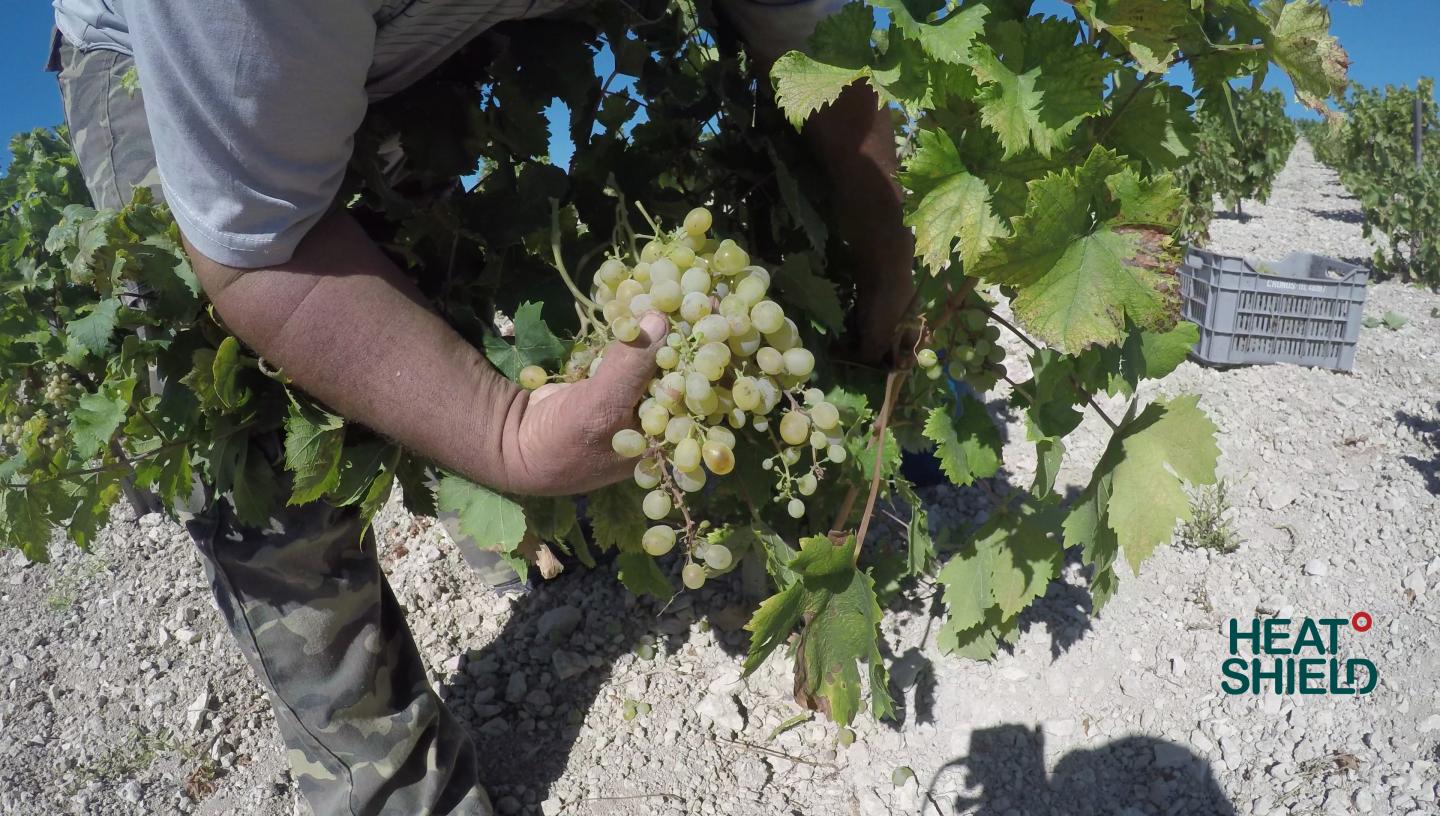
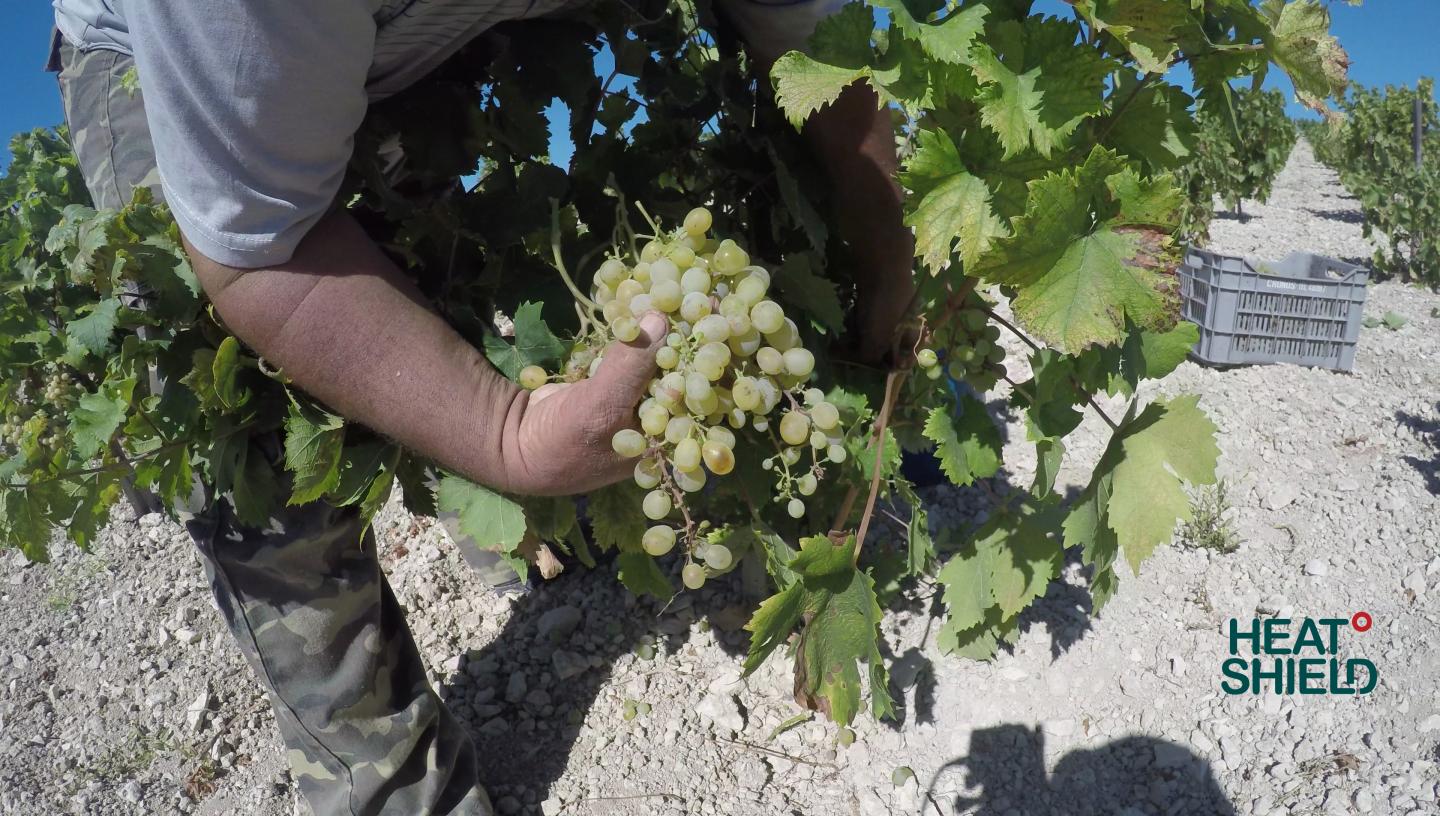
IMAGE

Credit: Taylor & Francis and Heatshield

Slight increases in temperature in Mediterranean regions from global warming could potentially result in labor, productivity and economic losses for the European wine industry, an article in the journal Temperature suggests.

Researchers studied the effects of high temperatures on the labor output and productivity of manual agricultural grape-picking workers in the wine production industry in Cyprus, who often work in conditions of up to 36 degrees Celsius.

They found that higher temperatures in the working conditions during the summer correlated with a significant labor loss of up to 27%, due to the environmental heat causing increased perceived exertion on worker's metabolic and cardiovascular systems and resulting in reduced output.

When temperatures increased, there was also a 15% decrease in the amount of time workers were able to carry out their duties due to the increased need for irregular and unplanned work breaks.

These research findings demonstrate that workplace heat, specifically in European agricultural workers, is accompanied by significant labor and productivity losses. With the wine industry comprising of 0.2% of world GDP, increased temperatures from global warming may negatively impact the industry and even potentially result in large losses worldwide.

For this study, the authors specifically chose to study grape-picking workers, as the production of wine is still largely dominated by manual labor unlike other industries and therefore the effects of global warming on workers in this industry is highly likely to more prevalent.

The authors warned that this research should not be considered an exhaustive large scale study of the impact of global warming on agriculture workers, and broader studies involving more workers and different locations should be undertaken in order to full assess the full impact.

The study is the first of its kind in Europe assessing the impact of workplace heat on European agriculture workers. The researchers used an innovative approach to assess labor output and productivity of seven workers called time-motion analysis which can analyse every second spent by each worker during every work shift.

###

The article represents a study within a research program funded by the European Union and led by an international consortium of scientists (HEAT-SHIELD). The overall goal of this work is to study the complex effects of climate change on the European society.

The study has received funding from the European Union's Horizon 2020 research and innovation programme under the grant agreement No 668786

Media Contact

Chrissy sihdu
[email protected]
07-540-406-084
@tandfnewsroom

http://www.taylorandfrancisgroup.com/

Related Journal Article

http://dx.doi.org/10.1080/23328940.2017.1338210

Share12Tweet8Share2ShareShareShare2

Related Posts

blank

Unlocking Rice Quality: GWAS Sheds Light on Traits

December 28, 2025
Chloroplast Genome of Ecklonia maxima: A Comparative Study

Chloroplast Genome of Ecklonia maxima: A Comparative Study

December 27, 2025

Tissue-Specific Gene Expression Variance in Mice

December 27, 2025

Sex Differences in Liver Metabolism and Disease

December 27, 2025
Please login to join discussion

POPULAR NEWS

  • Robotic Waist Tether for Research Into Metabolic Cost of Walking

    NSF funds machine-learning research at UNO and UNL to study energy requirements of walking in older adults

    71 shares
    Share 28 Tweet 18
  • Nurses’ Views on Online Learning: Effects on Performance

    70 shares
    Share 28 Tweet 18
  • Exploring Audiology Accessibility in Johannesburg, South Africa

    51 shares
    Share 20 Tweet 13
  • SARS-CoV-2 Subvariants Affect Outcomes in Elderly Hip Fractures

    44 shares
    Share 18 Tweet 11

About

We bring you the latest biotechnology news from best research centers and universities around the world. Check our website.

Follow us

Recent News

Impact of Graphite Grain Size on EDM Texture

Unlocking Rice Quality: GWAS Sheds Light on Traits

Cochlear Mechanics Explored Through Finite Element Modeling

Subscribe to Blog via Email

Enter your email address to subscribe to this blog and receive notifications of new posts by email.

Join 71 other subscribers
  • Contact Us

Bioengineer.org © Copyright 2023 All Rights Reserved.

Welcome Back!

Login to your account below

Forgotten Password?

Retrieve your password

Please enter your username or email address to reset your password.

Log In
No Result
View All Result
  • Homepages
    • Home Page 1
    • Home Page 2
  • News
  • National
  • Business
  • Health
  • Lifestyle
  • Science

Bioengineer.org © Copyright 2023 All Rights Reserved.