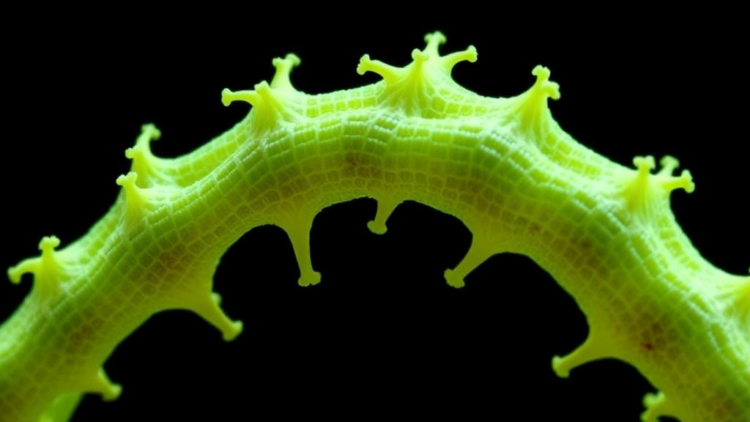
Large bone defects are among the most stubborn challenges in orthopaedic medicine. When trauma, tumor resection, infection, or repeated surgical debridement removes more bone than the body can spontaneously rebuild, patients face prolonged disability, repeated operations, and often incomplete structural restoration. The current toolkit remains frustratingly limited: autologous bone grafts are constrained by donor-site morbidity and limited tissue availability, while allografts carry risks of immune incompatibility, incomplete incorporation, and disease transmission. Even powerful osteoinductive biologics such as bone morphogenetic proteins frequently demand high local doses and can trigger inflammation, ectopic ossification, and substantial cost. Against this backdrop, a new study published in Materials Today Bio reports a strikingly different approach: bone organoids functionalized with Achyranthes bidentata, a botanical long used in traditional Chinese medicine, dramatically improved repair of critical-sized bone defects in rats and were supported by suggestive clinical data from human fracture patients.
Organoid technology has reshaped regenerative medicine by moving beyond flat cell culture toward self-organized three-dimensional microtissues that better reproduce native tissue architecture and function. Unlike conventional two-dimensional cultures, bone organoids preserve cell-cell communication, cell-matrix interactions, lineage patterning, and extracellular matrix remodeling within a spatially relevant environment. Recent years have seen skeletal organoid systems expand to include bone marrow-like, trabecular-like, callus-like, and woven-bone-like constructs, with matrix engineering and biofabrication enabling tighter control of geometry and maturation. Yet the field still confronts key barriers, including inadequate vascularization, immature mechanics, diffusion limitations in larger constructs, and the absence of standardized bioactive programming. In this study, the term bone organoids refers specifically to bone marrow stromal cell-derived three-dimensional osteogenic microtissues that reproduce selected features of bone formation, including cell-cell interaction, matrix production, and mineral deposition, rather than fully vascularized or marrow-containing bone equivalents.
Achyranthes bidentata, the botanical source of a traditional Chinese medicine, emerged as an attractive candidate for biofunctionalizing such constructs. Pharmacognostic studies identify multiple bioactive constituents in the plant, including polysaccharides, saponins, steroids, and related small molecules, and toxicology work suggests a favorable safety profile at therapeutic doses. Experimental evidence supports a direct role in skeletal repair: AB saponins promote osteogenic differentiation of bone marrow stromal cells through the ERK/MAPK pathway, osteoblast studies show enhanced proliferation and Runx2-associated osteogenic activity after treatment, and purified polysaccharide fractions exhibit in vitro osteogenic activity. In parallel, AB regulates the resorptive arm of bone remodeling, with prior studies demonstrating suppression of osteoclastogenesis through inhibition of RANKL signaling and osteoprotective effects in vivo through regulation of the RANKL/RANK/OPG axis. This dual anabolic and anti-resorptive potential is precisely the type of combined cue needed for functional bone regeneration, yet until now AB research and organoid engineering had largely progressed in parallel.
The research team, led by Chenxing Lu and colleagues, designed a four-stage workflow: dose screening of AB in rat bone marrow-derived mesenchymal stromal cells, generation and characterization of AB-bone organoids, evaluation in a critical-sized calvarial defect model, and an exploratory retrospective clinical analysis of AB exposure in tibial fracture healing. The botanical material was authenticated by macroscopic and microscopic examination according to the Pharmacopoeia of the People’s Republic of China, with voucher specimens deposited at the Institute of Chinese Materia Medica. Dried roots were decocted with distilled water, filtered, concentrated, and lyophilized to an 18.5 percent extraction yield, then characterized by high-performance liquid chromatography fingerprinting to establish batch traceability before any biological testing began.
Dose screening revealed a concentration-dependent osteopromotive window. Bone marrow stromal cells exposed to graded concentrations from 0 to 400 micrograms per milliliter showed good cytocompatibility at low and intermediate doses, with cell viability and proliferative activity rising steadily up to 200 micrograms per milliliter, the concentration that produced peak alkaline phosphatase activity and Alizarin Red S-detected mineralization. At 400 micrograms per milliliter, the proliferative benefit was attenuated, indicating that the effect was concentration dependent rather than linearly cumulative. Quantitative PCR confirmed that AB markedly upregulated the osteogenic program, increasing expression of Col1a1, Runx2, Opn, and Ocn. Mechanistic experiments using PD98059, a selective ERK/MAPK pathway inhibitor, showed that AB increased ERK1/2 phosphorylation and that blocking the pathway partially attenuated AB-enhanced alkaline phosphatase activity and mineralized matrix formation, implicating ERK/MAPK signaling as a partial, though not exclusive, contributor to the herb’s pro-osteogenic effect.
The pivotal step came when the team incorporated AB into bone organoid culture. Single-cell suspensions of stromal cells were seeded into ultra-low-attachment plates to form compact spheroids over three days, then embedded in growth factor-reduced Matrigel and cultured in osteogenic medium for 28 days, with 200 micrograms per milliliter AB added throughout maturation. Live/dead staining showed both groups remained viable, but AB-treated organoids displayed more widespread calcein-AM signal and reduced propidium iodide incorporation. Quantitative analysis demonstrated that AB-treated organoids achieved a larger cross-sectional area, suggesting accelerated tissue assembly and volumetric growth. Histological and matrix analyses confirmed the functional differences: AB-bone organoids exhibited stronger Alizarin Red S, alkaline phosphatase, and collagen type I staining, indicating enhanced calcium deposition, osteogenic enzyme activity, and extracellular matrix production, while immunofluorescence revealed more organized F-actin architecture and stronger Runx2 expression consistent with heightened osteogenic lineage activation.
Head-to-head comparison of monolayer cultures, untreated bone organoids, and AB-bone organoids revealed a stepwise enhancement in osteogenic output, with AB-bone organoids achieving the highest levels of enzymatic activity and matrix mineralization, accompanied by increased protein expression of COL-I, Runx2, and OPN and higher viability. The decisive test, however, came in vivo. In a critical-sized 5-millimeter calvarial defect model in adult rats, animals receiving AB-bone organoids showed more extensive defect bridging and denser mineralized tissue on micro-CT reconstructions at 12 weeks than those receiving untreated organoids or no implant. Quantitative analysis confirmed the most favorable bone microarchitecture in the AB-bone organoid group, with increased bone volume fraction, bone mineral density, trabecular thickness, and trabecular number, together with reduced trabecular separation. Histology showed greater bone fill and more organized collagen deposition, and immunohistochemistry revealed more abundant COL-I, OPN, and OCN-positive matrix within the regenerative area.
To explore clinical relevance, the team conducted a retrospective cohort study at Taizhou Hospital of Traditional Chinese Medicine, screening 126 consecutive tibial fracture patients operated on between January 2022 and December 2024, of whom 40 met eligibility criteria and were divided into 20 receiving oral AB beginning one month after surgery for six weeks and 20 receiving standard care. Baseline characteristics were well balanced between groups. Postoperative AB administration was associated with substantially shorter mean radiographic healing time of 3.8 versus 4.9 months, higher modified Radiographic Union Scale scores at final follow-up of 14.1 versus 12.3, lower pain scores of 1.3 versus 2.6 on the visual analogue scale, and superior lower-extremity function scores of 72.5 versus 65.2. Serial radiographs showed earlier callus formation and advanced remodeling in AB-treated patients, although the proportion achieving union by six months did not differ significantly.
The authors are careful to delineate the boundaries of these findings. The animal experiment evaluated localized implantation of AB-preconditioned organoids, while the clinical cohort evaluated systemic oral administration with entirely different pharmacokinetics, so the human data provide only indirect, hypothesis-generating support rather than evidence for the clinical feasibility of organoid implantation. Retrospective design cannot fully account for unmeasured confounding, and factors such as fracture severity, fixation characteristics, and rehabilitation compliance were not uniformly available. The calvarial model is non-load-bearing, vascularization was not directly quantified, the specific bioactive constituents responsible remain unidentified, and the ERK/MAPK experiments were conducted only in monolayer cells. Even so, the conceptual advance is considerable: a traditional osteoactive botanical factor has been repurposed as a developmental instruction for bone organoids, upgrading the therapeutic unit from isolated cells or soluble factors to an implantable living osteogenic microtissue, and defining a promising direction for biologically instructed bone regeneration that now awaits testing in load-bearing models, vascularized constructs, and eventually dedicated clinical trials.
Subject of Research: Achyranthes bidentata-functionalized bone marrow stromal cell-derived bone organoids for enhanced bone defect repair
Article Title: Achyranthes bidentata –functionalized bone organoids enhance bone defect repair
Article References: Lu, C., Qin, X., Lin, Z., Han, S., Ding, P., Xu, L., Zheng, X., Hu, B., Chen, F., & Wu, D. (2026). Achyranthes bidentata–functionalized bone organoids enhance bone defect repair. Materials Today Bio, 41, Article 103716. https://doi.org/10.1016/j.mtbio.2026.103716
Image Credits: AI Generated
DOI: 10.1016/j.mtbio.2026.103716
Keywords: bone organoids, Achyranthes bidentata, bone regeneration, critical-sized defects, mesenchymal stromal cells, ERK/MAPK signaling, traditional Chinese medicine, calvarial defect model, fracture healing, osteogenesis, tissue engineering, Materials Today Bio
Cite Scienmag News
APA MLA Chicago
Denise Maddox. (October 4, 2026). Ancient Chinese Herb Supercharges Lab-Grown Bone Organoids to Heal Defects. Scienmag. https://scienmag.com/ancient-chinese-herb-supercharges-lab-grown-bone-organoids-to-heal-defects/
Denise Maddox. “Ancient Chinese Herb Supercharges Lab-Grown Bone Organoids to Heal Defects.” Scienmag, 4 October 2026, https://scienmag.com/ancient-chinese-herb-supercharges-lab-grown-bone-organoids-to-heal-defects/. Accessed 4 October 2026.
Denise Maddox. “Ancient Chinese Herb Supercharges Lab-Grown Bone Organoids to Heal Defects.” Scienmag. October 4, 2026. https://scienmag.com/ancient-chinese-herb-supercharges-lab-grown-bone-organoids-to-heal-defects/
Copy citation Download RIS
Tags: 3D bone organoids in regenerative medicineAchyranthes bidentataAchyranthes bidentata for bone repairbiofunctionalization of organoids for tissue repairbone organoidsbone regenerationcalvarial defect modelChinese herbal medicine in tissue engineeringclinical translation of bone organoid therapiescritical-sized defectsERK/MAPK signalingfracture healinginnovative strategies for critical-sized bone defect healinglimitations of autologous and allograft bone graftsMaterials Today Biomesenchymal stromal cellsosteogenesistissue engineeringtissue engineering approaches for bone regenerationtraditional Chinese medicinetraditional Chinese medicine in orthopaedicstreatment of large bone defectsuse of biologics in bone healing