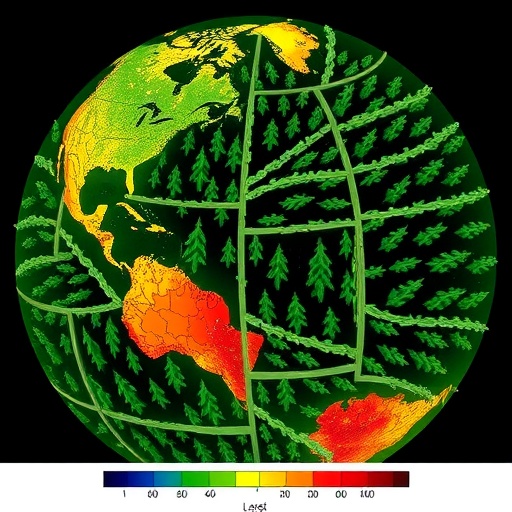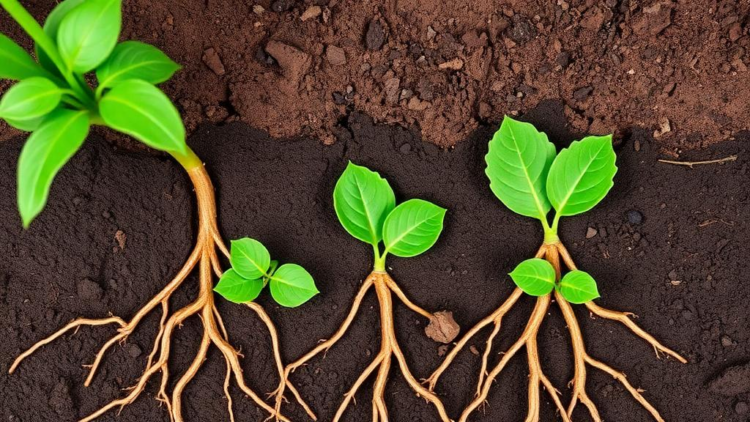
A quiet revolution is unfolding beneath the surface of the world’s croplands. In the narrow zone of soil that hugs plant roots, known as the rhizosphere, an intricate ecosystem of bacteria, fungi, actinomycetes, archaea, and protists is being reimagined as the backbone of a new generation of crop protection. A comprehensive review published in MicrobiologyOpen maps out how this ecosystem can be deliberately harnessed in what the authors call eco-smart biocontrol: a knowledge-intensive, systemic approach to managing plant disease that moves far beyond the old model of spraying a single antagonistic microbe and hoping it survives in the field. The review, led by Shilpy Singh and colleagues, synthesizes recent advances in rhizosphere ecology, molecular signaling, multi-omics technologies, and artificial intelligence to argue that the future of plant protection lies not in isolated silver bullets but in engineered, self-sustaining microbial communities that communicate continuously with their plant hosts.
The urgency behind this shift is difficult to overstate. Decades of heavy reliance on synthetic pesticides have produced a cascade of unintended consequences: pathogens evolving resistance, soil biodiversity eroding, food contaminated with chemical residues, and essential ecosystem services disrupted. Stricter regulations and growing consumer demand for residue-free food have accelerated the search for biologically grounded alternatives. Yet traditional biocontrol has struggled to deliver consistent results, because a single strain applied in isolation often fails to persist under the unpredictable conditions of a real field. Eco-smart biocontrol reframes the problem entirely. Instead of treating symptoms with a biological fungicide, it aims to cultivate a resilient rhizosphere microbiome that suppresses pathogens, primes plant immunity, and adapts to changing environmental pressures, an approach that aligns closely with climate-smart agriculture, sustainable intensification, and the One Health framework.
At the heart of this paradigm is the rhizosphere itself, a soil microhabitat defined by steep physicochemical gradients and extraordinary biological activity. Plant roots continuously secrete a rich cocktail of compounds, collectively termed rhizodeposition, including sugars, amino acids, organic acids, mucilage, sloughed-off cells, and specialized secondary metabolites. These exudates act simultaneously as nutrients and as chemical signals, selectively recruiting and shaping the microbial communities that gather around the root. Simple sugars such as glucose and sucrose drive chemotaxis and colonization by bacteria, while phenolic compounds can inhibit soil-borne pathogens and stimulate beneficial plant growth-promoting rhizobacteria. Flavonoids serve as symbiotic signals in mutualistic partnerships, most famously in the legume-rhizobia relationship. Crucially, the composition of these exudates is highly plastic, modulated by plant genotype, developmental stage, nutrient status, and stress, allowing the plant to adjust its microbial entourage according to its physiological needs.
The microbial cast assembled by these signals is remarkably diverse and functionally complementary. Bacteria, particularly members of the Proteobacteria, Actinobacteriota, Bacteroidota, and Firmicutes, dominate numerically and respond rapidly to root-derived carbon. Fungi, including saprophytes, endophytes, and arbuscular mycorrhizal fungi, decompose organic matter, mobilize nutrients, and build soil aggregates. Actinomycetes, especially Streptomyces species, are prolific producers of antibiotics and are hallmark inhabitants of naturally disease-suppressive soils. Archaea, though less abundant, contribute to nitrogen and methane cycling under nutrient-limited conditions, while protists graze on bacteria, recycling nutrients and indirectly favoring plant-beneficial traits. Together these groups form a tightly linked, multitrophic network whose collective activity determines whether pathogens flourish or fail in the root zone.
The mechanisms by which beneficial microbes suppress disease are as varied as they are elegant. Competition for iron is a classic example: beneficial pseudomonads and Bacillus species secrete siderophores, high-affinity iron-chelating molecules that starve pathogens of this essential micronutrient. Direct antagonism takes many forms, from cyclic lipopeptides such as surfactin, iturin, and fengycin produced by Bacillus, which rupture pathogen cell membranes, to aromatic antibiotics like phenazines, pyrrolnitrin, and 2,4-diacetylphloroglucinol synthesized by Pseudomonas and Streptomyces strains. Volatile organic compounds, including hydrogen cyanide and acetoin, diffuse through the soil matrix to inhibit pathogen growth while simultaneously priming plant defense genes. Fungal mycoparasites such as Trichoderma coil around pathogen hyphae and enzymatically dismantle their cell walls with chitinases and glucanases, while predatory bacteria like Bdellovibrio bacteriovorus hunt and lyse pathogenic microbes. Perhaps most sophisticated is quorum quenching, in which beneficial microbes deploy lactonases and acylases to degrade the N-acyl-homoserine lactone signals that pathogens use to coordinate virulence, disrupting their attacks without imposing strong selection for resistance.
Beyond direct antagonism, beneficial microbes reprogram the plant’s own immune system. Induced systemic resistance, or ISR, is triggered by nonpathogenic root colonizers and is governed primarily by jasmonic acid and ethylene signaling, providing broad-spectrum protection against fungi, bacteria, and even insects with minimal cost to plant growth. Systemic acquired resistance, or SAR, by contrast, follows localized infection and depends on salicylic acid and pathogenesis-related proteins, offering durable defense against biotrophic pathogens. These pathways are not isolated; substantial crosstalk allows plants to fine-tune their immune responses to the type of attacker they face. A key feature of microbe-induced resistance is defense priming: rather than keeping expensive defenses permanently switched on, primed plants maintain a heightened state of alert, enabling faster and stronger activation of defense genes, reactive oxygen bursts, and WRKY transcription factors upon pathogen contact. Emerging evidence suggests that priming can rest on epigenetic marks such as histone methylation and acetylation, creating immune memory that sometimes persists across generations at little fitness cost.
The molecular dialogues underpinning these interactions are proving far richer than previously imagined. Plants detect conserved microbial molecules, or MAMPs, through pattern recognition receptors such as the flagellin receptor FLS2, launching pattern-triggered immunity. Yet plants can also discriminate: rhizobial Nod factors are perceived through LysM-domain receptors that initiate symbiosis while dampening immune activation, and similar discrimination operates with mycorrhizal fungi and endophytes. Even more striking is the discovery of cross-kingdom RNA trafficking, in which small RNAs move between plants and microbes, allowing each side to modulate the other’s gene expression. Metabolomics, using mass spectrometry-based imaging, is now mapping the spatial distribution of exudates and microbial metabolites across the root, revealing how specific chemical profiles create disease-suppressive rhizospheres and linking metabolite signatures to induced systemic resistance.
Translating this mechanistic knowledge into reliable products has long been the field’s Achilles heel, but new technologies are closing the gap. Metagenomics and metatranscriptomics, together with metagenome-assembled genomes, allow researchers to identify keystone taxa and biocontrol gene clusters in uncultivated communities, while proteomics and imaging metabolomics verify that the relevant machinery is actually expressed in situ. Machine learning models, including random forests, gradient boosting, and deep neural networks, sift through these high-dimensional datasets to predict strain performance across environments, and explainable AI frameworks are making those predictions interpretable enough to guide rational consortium design. On the delivery side, encapsulation in alginate and chitosan beads, seed coatings, biochar-based carriers, and stress-protective formulations are extending shelf life and improving establishment, addressing the desiccation, ultraviolet exposure, and competition from native microbiota that have historically doomed field performance.
Field evidence is accumulating across cropping systems. In wheat, combinations of arbuscular mycorrhizal fungi and Trichoderma have reduced stem and root diseases while boosting antioxidant enzyme activity, biomass, and grain yield. Rice treated with plant growth-promoting rhizobacteria shows reduced sheath blight and improved seedling vigor. In legumes, Trichoderma applications have lowered root rot and Fusarium wilt in chickpea, pigeon pea, and soybean while enhancing nodulation and nitrogen fixation, and fungal agents such as Purpureocillium lilacinum have suppressed root-knot nematodes. Horticultural systems offer equally compelling results: tomato crops treated with Trichoderma afroharzianum and the mycorrhizal fungus Funneliformis mosseae yielded more marketable fruit with less damage from the pest Tuta absoluta, while the bacterium Pantoea agglomerans has controlled fire blight in apple and pear orchards with efficacy comparable to chemical treatments.
Significant obstacles remain before eco-smart biocontrol can transform agriculture at scale. Field performance is still inconsistent, because soil type, temperature, moisture, salinity, and native microbial competition all influence whether introduced agents survive and function. Regulatory pathways add friction: the United States Environmental Protection Agency operates a tiered framework under FIFRA with expedited review for microbial pesticides, while the European Union’s hazard-based criteria under Regulation EC No 1107/2009 impose heavier data burdens and longer market entry timelines. Grower perceptions, limited extension services, and sparse region-specific validation further slow adoption. The review’s authors argue that the path forward lies in shifting from trial-and-error single strains to predictive microbiome engineering, powered by multi-omics data, AI-driven screening, smart encapsulation, and harmonized, science-based regulation. If those pieces come together, the microscopic conversations happening in the soil beneath every crop could become one of agriculture’s most powerful tools for feeding the world without poisoning it.
Subject of Research: Microbe-plant interactions in the rhizosphere and their application in eco-smart biological control of crop diseases
Article Title: From Rhizosphere to Resistance: Microbe‐Plant Interactions in Eco‐Smart Biocontrol
Article References: Singh, S., Sharma, V. K., Shrivastav, D., Kushwaha, J. M., Mishra, M. K., & Beg, M. M. A. (2026). From Rhizosphere to Resistance: Microbe‐Plant Interactions in Eco‐Smart Biocontrol. MicrobiologyOpen, 15(5), Article e70398. https://doi.org/10.1002/mbo3.70398
Image Credits: AI Generated
DOI: 10.1002/mbo3.70398
Keywords: rhizosphere, biocontrol, plant microbiome, induced systemic resistance, root exudates, Trichoderma, Bacillus, Pseudomonas, mycorrhizal fungi, quorum quenching, multi-omics, sustainable agriculture
Cite Scienmag News
APA MLA Chicago
Alan Morgan. (October 1, 2026). Root Signals and Microbial Allies Redefine Sustainable Crop Disease Control. Scienmag. https://scienmag.com/root-signals-and-microbial-allies-redefine-sustainable-crop-disease-control/
Alan Morgan. “Root Signals and Microbial Allies Redefine Sustainable Crop Disease Control.” Scienmag, 1 October 2026, https://scienmag.com/root-signals-and-microbial-allies-redefine-sustainable-crop-disease-control/. Accessed 1 October 2026.
Alan Morgan. “Root Signals and Microbial Allies Redefine Sustainable Crop Disease Control.” Scienmag. October 1, 2026. https://scienmag.com/root-signals-and-microbial-allies-redefine-sustainable-crop-disease-control/
Copy citation Download RIS
Tags: artificial intelligence in crop protectionBacillusbiocontroleco-smart biocontrolinduced systemic resistancemicrobial allies for crop healthmicrobial community engineeringmulti-omicsmulti-omics technologies in agricultureMycorrhizal fungiplant immune signalingplant microbiomeplant-microbe interactionsPseudomonasquorum quenchingresistance management in plant pathogensrhizosphererhizosphere microbiomeroot exudatessoil ecosystem servicessoil health and biodiversitysustainable agriculturesustainable crop disease controlTrichoderma