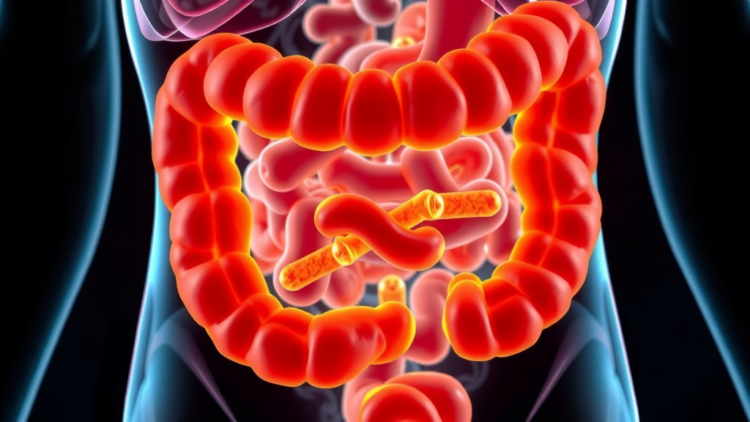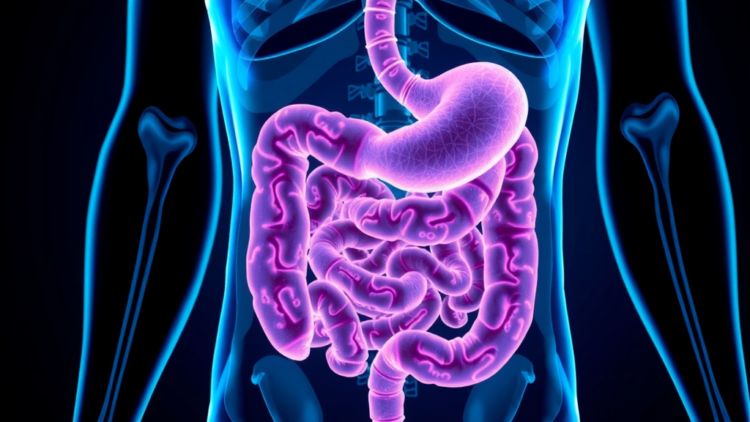
A widely prescribed gout medication may do far more than lower uric acid in the blood. New research published in the Journal of Molecular Medicine suggests that allopurinol, one of the most commonly used anti-hyperuricemia drugs in the world, can reverse a cascade of diet-induced damage in the gut, restoring microbial balance, calming inflammation, and repairing the intestinal barrier through a signaling pathway that has become one of the most closely watched axes in mucosal immunology. The findings, from a team at the University of Buenos Aires, position uric acid not merely as a metabolic byproduct but as an active driver of gut disease, and they propose that lowering it could become a therapeutic strategy for inflammatory and metabolic disorders alike.
The study, led by Soledad Bouquez and Paola López Campos under the direction of corresponding author Maite Duhalde-Vega, examined mice fed a high-fat diet, a model that reliably reproduces the metabolic disturbances seen in human obesity. High-fat diets have long been implicated in metabolic disorders through mechanisms involving hyperuricemia, gut dysbiosis, and intestinal barrier dysfunction, but the precise chain of cause and effect has remained elusive. The Argentine team set out to determine whether pharmacological reduction of uric acid could interrupt that chain, and if so, by what molecular route.
The results were striking. Mice on the high-fat diet developed hyperuricemia, and their gut microbial communities shifted into a dysbiotic state characterized by an expansion of Proteobacteria, a phylum widely regarded as a microbial signature of epithelial dysfunction, along with altered ratios of Firmicutes to Bacteroidetes, a compositional change repeatedly linked to obesity and type 2 diabetes in human studies. At the same time, the animals’ intestines mounted an inflammatory program: levels of the pro-inflammatory cytokines IL-1β, IL-6, and TNF-α rose, while the anti-inflammatory mediators IL-10 and IL-22 declined. The team also detected increased serum lipopolysaccharide, or LPS, indicating that bacterial products were leaking across a compromised intestinal wall into the circulation, fueling systemic inflammation marked by elevated IL-6 and C-reactive protein.
When the researchers added allopurinol to the high-fat diet, the picture changed dramatically. The drug, which inhibits xanthine oxidase and thereby blocks uric acid production, normalized serum uric acid levels and, with them, restored microbial balance. The dysbiotic expansion of Proteobacteria receded, the Firmicutes/Bacteroidetes ratio shifted back toward a healthier profile, and the inflammatory storm in the gut subsided. Pro-inflammatory cytokines fell, protective IL-10 and IL-22 recovered, serum LPS dropped, and markers of intestinal barrier dysfunction improved. Equally important, the systemic inflammatory signs, elevated circulating IL-6 and CRP, diminished, suggesting that repairing the gut wall had consequences well beyond the intestine itself.
The most mechanistically revealing part of the study concerned tryptophan metabolism, an increasingly central theme in gut immunology. Tryptophan, an essential amino acid obtained from the diet, can be metabolized along several competing routes. One route, driven by the enzyme indoleamine 2,3-dioxygenase 1, or IDO1, shunts tryptophan toward catabolites that are generally associated with inflammation and immune suppression. Another route, carried out by gut bacteria, produces indoles, small molecules that serve as ligands for the aryl hydrocarbon receptor, or AhR, a transcription factor expressed in immune and epithelial cells. When AhR is activated by these microbial indoles, it promotes the production of interleukin-22, a cytokine that strengthens epithelial barrier function, stimulates antimicrobial peptide release, and maintains mucosal homeostasis.
In the high-fat diet mice, this protective circuitry was broken. The animals showed increased IDO1 activity and diminished indole production, tilting tryptophan metabolism away from AhR-activating ligands and toward inflammatory catabolites. Allopurinol treatment reversed this shift: IDO1 activity decreased and indole production was restored, replenishing the supply of microbial metabolites capable of engaging AhR. The result was a reinvigorated AhR–IL-22 axis, which the authors identified as the key mediator of the drug’s gut-protective effects. Prior work, including landmark studies showing that tryptophan catabolites from the microbiota engage AhR and balance mucosal reactivity via interleukin-22, had established the plausibility of this pathway; the new study ties it directly to uric acid metabolism.
To prove that the AhR–IL-22 axis was not merely correlated with the improvements but actually required for them, the team employed CH-223191, a selective pharmacological antagonist of the aryl hydrocarbon receptor. When AhR signaling was blocked in allopurinol-treated mice, the drug’s anti-inflammatory and barrier-protective effects were reversed. Cytokine profiles deteriorated, barrier function declined, and the benefits of uric acid reduction evaporated. This loss-of-function experiment provides functional evidence, not just associative data, that the AhR/IL-22 axis mediates gut protection in this model, a level of mechanistic rigor that strengthens the study’s therapeutic implications considerably.
The findings arrive amid growing interest in the interplay between purine metabolism, the microbiome, and intestinal health. Previous research has shown that hyperuricemia is associated with immune disorders and intestinal barrier dysfunction, that gut bacterial metabolism contributes to host purine homeostasis, and that hyperuricemia can influence tryptophan metabolism by inhibiting the transport proteins MRP4 and BCRP, which handle uric acid and metabolite trafficking across cell membranes. Uric acid itself is no innocent molecule: it was identified nearly two decades ago as a danger signal that alerts the immune system to dying cells, and elevated levels have been linked to metabolic syndrome through the activity of xanthine oxidoreductase. The new study weaves these threads into a coherent narrative in which dietary fat raises uric acid, uric acid disrupts the microbiome and tryptophan handling, and the resulting loss of AhR ligands starves the gut of the IL-22 signal it needs to maintain its barrier.
For clinicians, the appeal of the proposed strategy lies in its practicality. Allopurinol is inexpensive, generically available, and already used by millions of patients with gout and hyperuricemia, with a well-characterized safety profile. If the mechanisms observed in mice translate to humans, targeting hyperuricemia could offer a repurposable intervention for metabolic and inflammatory gut diseases, conditions that currently have limited therapeutic options. The authors suggest that uric acid modulation deserves consideration as a promising therapeutic strategy for these disorders, though they and outside observers alike will caution that mouse models of diet-induced disease do not always recapitulate human pathophysiology, and that clinical trials would be needed before uric acid lowering could be recommended for gut inflammation specifically.
The study also adds to a rapidly expanding literature on how diet reshapes the gut microbiome and, through it, systemic health. High-fat diets have been shown to alter microbial and metabolite profiles during obesity, to increase intestinal permeability, and to drive gut dysbiosis and inflammation that contribute to obesity-associated liver disease. Microbiota-targeted interventions, including washed microbiota transplantation in gout patients, have already shown hints of benefit on serum uric acid and intestinal barrier function in early pilot studies. What distinguishes the new work is its demonstration of a complete, mechanistically validated pathway, from dietary fat to uric acid to microbial composition to tryptophan-derived metabolites to AhR activation to IL-22-dependent barrier protection, with pharmacological confirmation at each critical node. That level of pathway resolution is rare, and it transforms a loose association between gout drugs and gut health into a testable therapeutic hypothesis.
The research, supported by grants from Argentina’s National Agency of Science and Technology and the Universidad de Buenos Aires, was conducted under approved animal care protocols and published as an original article in the Journal of Molecular Medicine. As obesity rates continue to climb worldwide and inflammatory bowel diseases grow more prevalent, the idea that a fifty-year-old gout medication might protect the gut by feeding the microbiome’s chemical conversation with the immune system is the kind of unexpected, cross-disciplinary insight that could reshape how clinicians think about the drugs they already prescribe. The next step will be determining whether lowering uric acid in people delivers the same tryptophan-centered, AhR-mediated protection that it does in mice, a question that the authors’ elegant mechanistic framework now makes far easier to ask.
Subject of Research: How anti-hyperuricemia therapy with allopurinol alleviates diet-induced gut inflammation in mice via the AhR–IL-22 signaling axis
Article Title: Anti-hyperuricemia therapy alleviates diet-induced gut inflammation via AhR-IL-22-signalling
Article References: Bouquez, S., Campos, P. L., Ottobre, M., & Duhalde-Vega, M. (2026). Anti-hyperuricemia therapy alleviates diet-induced gut inflammation via AhR-IL-22-signalling. Journal of Molecular Medicine, 104(1), Article 105. https://doi.org/10.1007/s00109-026-02713-6
Image Credits: AI Generated
DOI: 10.1007/s00109-026-02713-6
Keywords: hyperuricemia, allopurinol, uric acid, gut microbiota, gut inflammation, intestinal barrier, AhR, IL-22, tryptophan metabolism, indole, IDO1, high-fat diet
Cite Scienmag News
APA MLA Chicago
Daisy Hatcher. (September 12, 2026). Gout Drug Allopurinol Heals Diet-Driven Gut Inflammation Through AhR-IL-22 Pathway. Scienmag. https://scienmag.com/gout-drug-allopurinol-heals-diet-driven-gut-inflammation-through-ahr-il-22-pathway/
Daisy Hatcher. “Gout Drug Allopurinol Heals Diet-Driven Gut Inflammation Through AhR-IL-22 Pathway.” Scienmag, 12 September 2026, https://scienmag.com/gout-drug-allopurinol-heals-diet-driven-gut-inflammation-through-ahr-il-22-pathway/. Accessed 12 September 2026.
Daisy Hatcher. “Gout Drug Allopurinol Heals Diet-Driven Gut Inflammation Through AhR-IL-22 Pathway.” Scienmag. September 12, 2026. https://scienmag.com/gout-drug-allopurinol-heals-diet-driven-gut-inflammation-through-ahr-il-22-pathway/
Copy citation Download RIS
Tags: AhRAhR-IL-22 signaling pathway in gut immunityallopurinolAllopurinol’s role in microbial balanceDiet-induced intestinal inflammationGout medication allopurinol gut inflammationGut dysbiosis and intestinal barrier repairgut inflammationgut microbiotahigh-fat dietHigh-fat diet and metabolic disordershyperuricemiaIDO1IL-22indoleintestinal barrierNovel insights into gout medication beyond uric acid loweringTherapeutic potential of uric acid reductiontryptophan metabolismuric acidUric acid and gut healthUric acid and mucosal immunologyUric acid as driver of gut disease